Richmond Travel Guide: Things to Do, Landmarks, Food, and Itineraries

Richmond, Virginia sits at the fall line of the James River, roughly in the center of the state, and has been a consequential American city for longer than the country has existed. Today it draws visitors for a wide range of reasons: Civil War sites, a strong arts and food scene, outdoor recreation along the James, well-preserved Victorian neighborhoods, and a craft-brewing culture that has turned several formerly industrial blocks into popular gathering spots. With a population of around 227,595, Richmond is large enough to offer genuine urban variety yet compact enough that many of its main draws are reachable on foot or by a short ride.
This guide covers the lay of the land, how to spend your time across different interests, where to look for food, how to get around, and practical details to smooth out the trip. For deeper dives, follow the links throughout to dedicated sibling pages on specific topics.
Getting to Know Richmond
Richmond sits about 100 miles south of Washington, D.C. on the I-95 corridor and is served by Richmond International Airport (RIC), which handles nonstop flights to and from many major U.S. cities. Amtrak stops at Main Street Station, connecting Richmond to the Northeast Corridor and points south. Driving in on I-95, I-64, or U.S. 60 is straightforward, though the I-95/I-64 interchange downtown can be slow during rush hours.
The downtown core is walkable once you are in it, but Richmond as a whole is a city that rewards knowing your target neighborhood ahead of time. The James River runs through the southern edge of downtown, and several of the outdoor attractions are along or near its banks.
For the full picture of how to time your trip, the Best Time to Visit Richmond page covers seasonal patterns in detail.
Neighborhoods Worth Knowing
The Fan District is named for the way its streets fan westward from downtown. It is one of the more photographed residential areas in the city, with block after block of late-19th- and early-20th-century rowhouses, locally owned restaurants, and bars along West Main Street and Park Avenue. The Fan borders the Virginia Commonwealth University (VCU) campus, which keeps the area fairly active throughout the year.
Carytown is a commercial corridor along West Cary Street that draws shoppers and diners from across the region. Independent boutiques, movie houses, and a dense concentration of restaurants make it a popular destination for an afternoon or evening out.
Scott's Addition was a light-industrial area for most of the 20th century and has transformed significantly over the past decade into one of Richmond's most visited zones for craft beer, cider, mead, and food. The neighborhood's warehouse-style spaces now house a cluster of independent breweries and taprooms, many with outdoor seating and food options on-site.
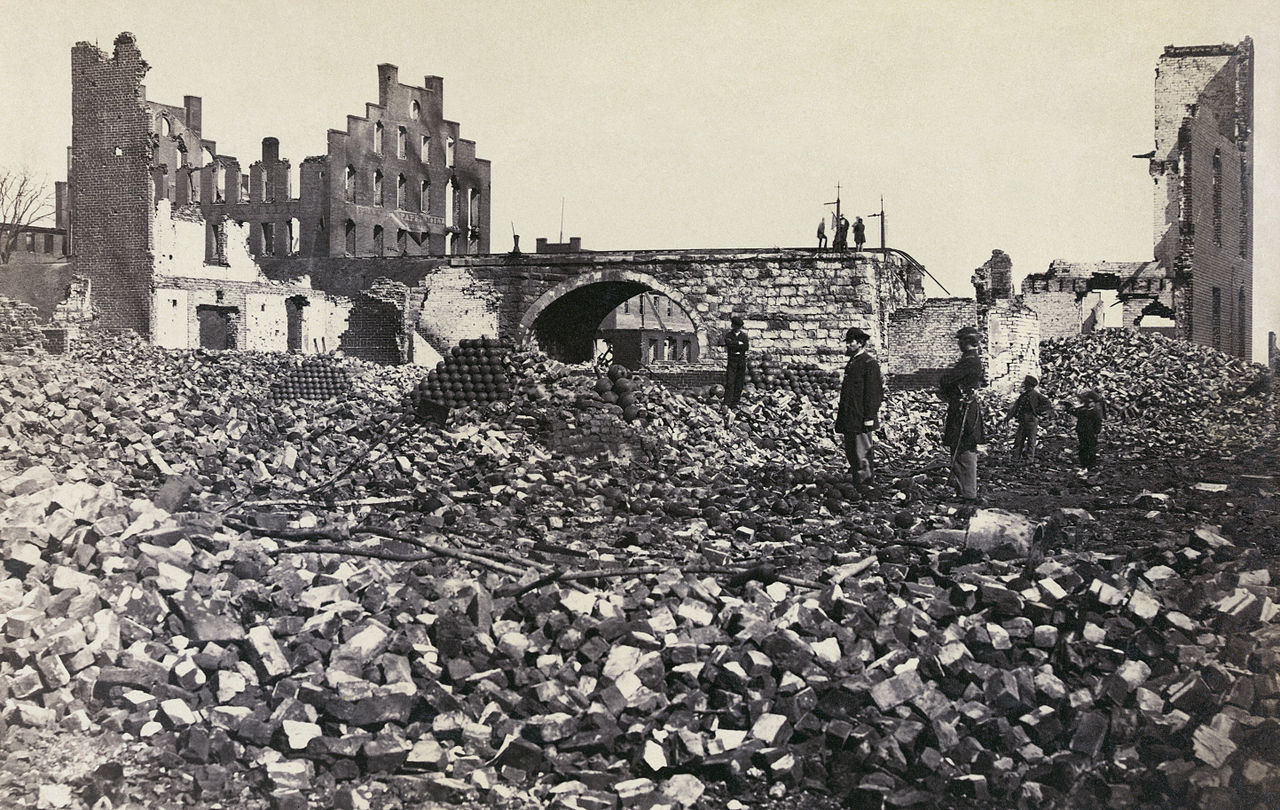
Shockoe Bottom and Shockoe Slip occupy the eastern edge of downtown near the riverfront. Shockoe Slip's cobblestone streets and 19th-century brick warehouses give it a distinct character; the area has a mix of bars, restaurants, and offices. Shockoe Bottom sits just below it along the James and carries deep, layered significance as a site connected to the domestic slave trade — the area has become the focus of ongoing public memory and education efforts.
Church Hill is one of Richmond's oldest residential neighborhoods, positioned on high ground east of downtown with wide views of the city. Patrick Henry delivered his famous "Liberty or Death" speech at St. John's Church here in 1775, and the neighborhood retains much of its 19th-century streetscape.
The Museum District is roughly what its name suggests — the stretch of Boulevard near the Virginia Museum of Fine Arts is anchored by cultural institutions and green space, including Byrd Park to the south.
Manchester, across the Mayo Bridge on the south bank of the James, has developed a creative and culinary identity of its own in recent years, with murals, galleries, and restaurants in former warehouse spaces.
Things to Do in Richmond
Richmond has a mapped inventory of well over a thousand attractions, museums, and historic sites in and around the city, which means there is no shortage of options across nearly any interest category. The Best Things To Do in Richmond page organizes these by type, but here is a high-level overview.
History and culture are present at almost every turn. The Virginia State Capitol, designed by Thomas Jefferson and completed in 1788, remains a working state government building and is open for public tours — check the official site for current tour availability and details. The American Civil War Museum at Tredegar presents multiple perspectives on the conflict from a complex, human standpoint. The Black History Museum and Cultural Center of Virginia, the Virginia Holocaust Museum, and the Edgar Allan Poe Museum each offer focused, substantive experiences that go well beyond a quick stop.
Outdoor recreation in Richmond centers largely on the James River Park System, a remarkable stretch of public land within city limits that includes rapids, hiking trails, a working canal system, and swimming access at designated areas. The Lower James is a well-known whitewater destination, and outfitters near the river offer guided options — check locally for what is available and permitted by season.
Arts and live performance are woven through the city. The Virginia Museum of Fine Arts (VMFA) has a substantial permanent collection that spans ancient to contemporary work and is considered one of the larger encyclopedic art museums in the Southeast. Several smaller galleries are scattered across the Fan, Manchester, and Scott's Addition.
For a curated breakdown of the top-visited sites and what makes each one worth your time, visit Top Landmarks in Richmond.
Where to Eat in Richmond
Richmond has a dense dining scene — the area has well over a thousand mapped restaurants and cafes — and the range is genuine rather than superficial. The city has developed a reputation in food media for independent, chef-driven cooking that reflects both Southern traditions and more recent global influences. There is no single district that monopolizes good eating; Carytown, The Fan, Scott's Addition, Shockoe Slip, Church Hill, and Manchester all have notable concentrations of places worth seeking out.
Brunch culture is strong in Richmond, and weekend mornings in The Fan and Carytown in particular see steady crowds at neighborhood spots. Coffee roasters with independent cafes are spread across the city and have become community anchors in several neighborhoods.
For a neighborhood-by-neighborhood look at what to expect and the kinds of food you will find, visit the Where to Eat in Richmond page.
Getting Around Richmond
GRTC Transit operates Richmond's public bus network, including the Pulse, a Bus Rapid Transit (BRT) line running along Broad Street from Rocketts Landing in the east through the VCU Medical Center campus and out toward Willow Lawn in the west. The Pulse has dedicated stations and is one of the more reliable transit options for moving across the central city. Contactless payment works on GRTC — check the agency's official site for current fares and system maps before you travel.
Rideshare is widely available and often the practical choice for reaching neighborhoods not well-served by bus. Biking is a reasonable option within the flatter central neighborhoods, and the Virginia Capital Trail — a paved multi-use path — connects Richmond to Williamsburg over 52 miles. Electric scooters and dockless bikes appear seasonally; check availability when you arrive.
Driving between neighborhoods is easy by distance, but parking availability and cost vary considerably by area and time of day.
Parking in Richmond
Downtown Richmond has a mix of street parking with meters, private surface lots, and structured garages. Rates and hours vary by location and operator, so check posted signs and current rates on arrival. The Fan and Carytown are largely residential in character, and street parking during evenings and weekends can require patience. Scott's Addition generally has more surface lot availability given its industrial origins, though this has tightened as the neighborhood has grown. Manchester has comparatively easier parking for now. Always confirm posted restrictions before leaving your vehicle.
Visitor Tips
- Richmond summers are hot and humid. If you are visiting between June and August, plan outdoor activities for morning hours and expect afternoon heat.
- The city's terrain is hilly in places — Church Hill and parts of Oregon Hill involve genuine elevation changes if you are on foot.
- Many of Richmond's independently owned shops and restaurants are closed on Mondays; plan accordingly.
- Exercise standard urban awareness — keep track of your belongings and stay oriented in unfamiliar areas, as you would in any city.
- Several of Richmond's museums and public sites are free to enter; others charge admission. Verify hours and admission details on each institution's official website before your visit, as policies change.
Richmond with Kids
Richmond is a reasonable destination for families. The Children's Museum of Richmond offers hands-on exhibits well-suited to younger visitors. Maymont, a Victorian estate turned public park with a nature center, farm animals, and Japanese and Italian gardens, is a popular choice for a slower-paced outdoor day. Lewis Ginter Botanical Garden has children's programming and open green space. The James River parks with their accessible trails and swimming holes appeal to older kids and teenagers. Check each venue's official site for current programming and any age or access restrictions.
How Many Days Do You Need?
One focused day in Richmond can cover a single neighborhood in depth plus one or two major attractions. Three or four days allows time to explore multiple districts, take a day trip, and experience the dining and nightlife more thoroughly.
For a practical single-day framework, see the Richmond 1-Day Itinerary. If you have more time, the Richmond 3-Day Itinerary maps out a fuller visit across the city's main draws.
Frequently Asked Questions
Is Richmond walkable? Parts of Richmond are quite walkable — the Fan District, Carytown, and downtown are all reasonable on foot. Getting between more distant neighborhoods typically requires a bus, rideshare, or car.
What is Richmond known for? Richmond is commonly associated with its Civil War history, its position as the former Confederate capital, its James River outdoor scene, its craft-brewing industry, and its arts institutions. It is also a college town in significant part, with VCU drawing students and faculty to the central city.
Are there National Park Service sites near Richmond? There are 51 National Park Service sites in or near Richmond, including Richmond National Battlefield Park, which preserves significant Civil War sites across the region. Check the NPS website for current access and programming details.
What neighborhoods are worth staying in? The Fan, Museum District, Carytown, and downtown all put visitors close to a range of attractions and restaurants. Scott's Addition is popular for those who want to be near the taproom and bar scene. The right choice depends on your priorities.
For more detailed answers to common planning questions, visit the Richmond FAQ.