Richmond 1-Day Itinerary
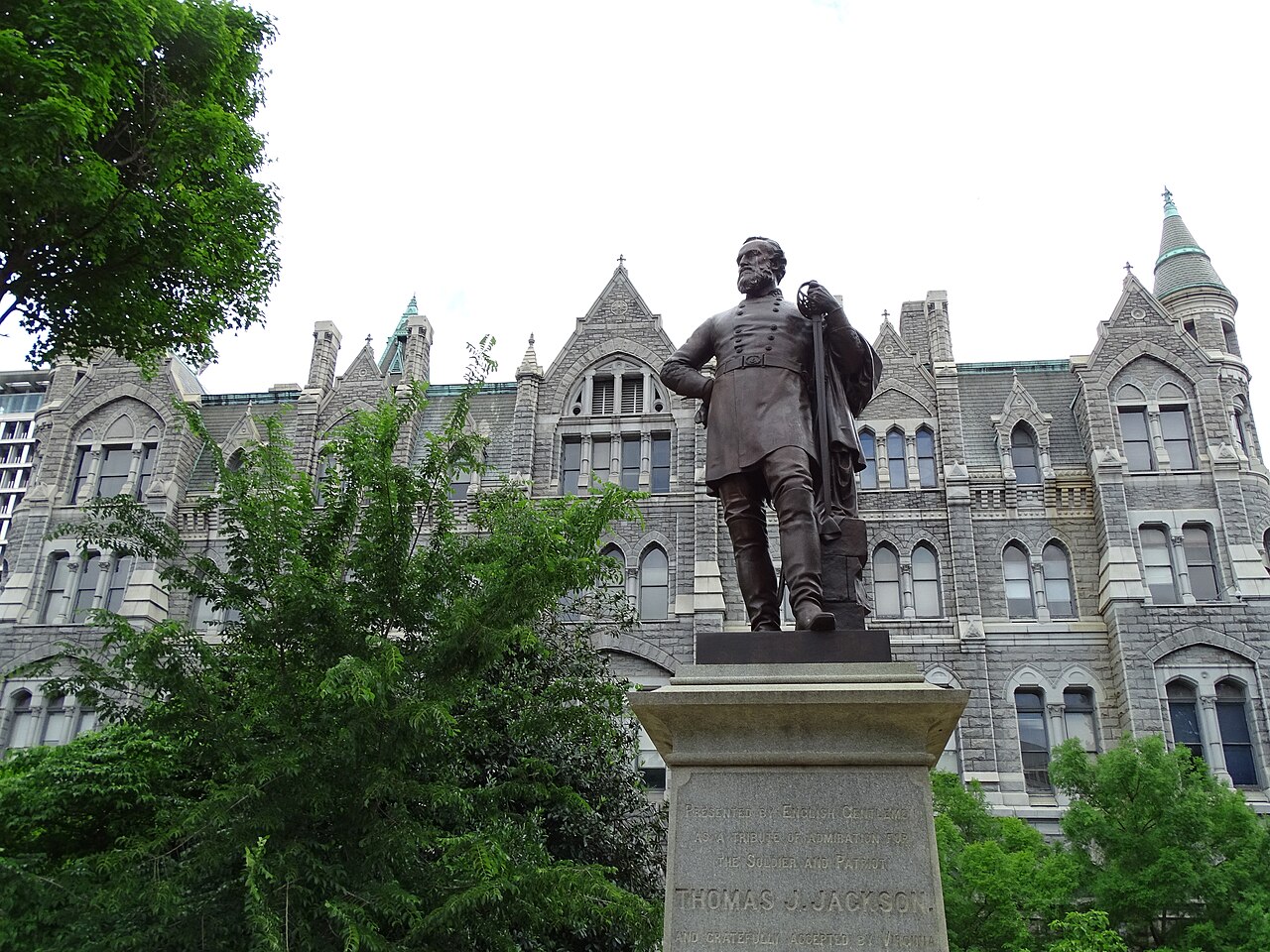
Richmond, Virginia is a city of roughly 227,000 people where four centuries of American history sit alongside a contemporary arts scene, a serious food culture, and one of the most accessible urban river systems in the country. If you only have one day to explore it, the good news is that many of Richmond's most rewarding stops cluster within a few miles of each other — making a logical, unhurried loop genuinely doable on foot and by bus.
This itinerary is designed for a first-time visitor arriving with comfortable shoes and an open morning. Timings are approximate, and individual stops can expand or contract depending on your pace. For a broader overview of what the city offers, see the Richmond Travel Guide: Things to Do, Landmarks, Food, and Itineraries.
Morning: Downtown, Jackson Ward, and the Riverfront
Start around 9 AM at Capitol Square.
The Virginia State Capitol is the natural anchor for a Richmond morning. Thomas Jefferson designed the building in the 1780s, modeling it on a Roman temple he admired in France, and it remains a working statehouse — one of the oldest in the country. The grounds are open to the public, and the views across the city center are a good orientation tool before you start moving. Check the Capitol's official website for current tour availability and any access restrictions before you visit.
From Capitol Square, head north on foot into Jackson Ward, a compact historic neighborhood that was once the commercial and cultural hub of Richmond's African American community in the early twentieth century. The area is walkable and dense with architecture worth looking at slowly. The Maggie L. Walker National Historic Site, managed by the National Park Service, honors Walker — the first woman of any race to charter and serve as president of a bank in the United States. Admission and tour schedules are managed by the NPS; check their official site before you go.
Walk back south toward the James River and pick up the Canal Walk, a paved path that traces the historic James River and Kanawha Canal through the heart of downtown. It connects to the American Civil War Museum at Historic Tredegar, housed in a former ironworks where Confederate artillery was manufactured during the Civil War. The museum offers a layered, artifact-grounded look at the war from multiple perspectives. Admission fees and hours vary, so check their website in advance.
By this point you have covered a meaningful chunk of Richmond's downtown history on foot. Budget roughly two and a half to three hours for the morning section.

Midday: Lunch and a Trip Upriver or Uptown
Around noon, find lunch near Shockoe Bottom or head toward the Fan.
Richmond has well over a thousand restaurants and cafes spread across its neighborhoods — the city punches above its size when it comes to dining options. Shockoe Bottom, just east of the Canal Walk, has a mix of spots convenient to where you already are. For a broader sense of where to eat in the city, the Where to Eat in Richmond guide is a useful reference.
If you want to swap indoor sightseeing for the outdoors at midday, this is the moment to do it. Belle Isle, a small island in the James River accessible by a pedestrian bridge from the north bank, offers trails, rocky riverbanks, and a break from city pavement. The James River Park System is a city asset that regularly surprises visitors who did not expect to find whitewater rapids within walking distance of downtown buildings. No admission is charged for the park itself, though check current conditions before visiting if you plan to wade or paddle.
Afternoon: The Museum District and The Fan
Aim to reach the Museum District by 1:30 or 2 PM.
The Virginia Museum of Fine Arts (VMFA) on Boulevard is one of the more substantial art museums in the South, with a permanent collection spanning thousands of years and multiple continents. Admission to the permanent galleries has historically been free, though policies can change; special exhibitions carry a separate fee. Confirm both on their website before visiting. The building itself — expanded multiple times, most recently in 2010 — is architecturally interesting enough to merit a look even on a short timeline.
After the VMFA, walk south and east into The Fan District, Richmond's largest intact Victorian neighborhood. The area gets its name from the way its streets fan outward from Monroe Park. Row houses line the blocks in brick and painted wood, and the sidewalks are usually quiet enough to walk at an easy pace. Monument Avenue runs through the center of the neighborhood — a broad, tree-lined boulevard that was once lined with large Confederate memorial statues, most of which were removed between 2020 and 2021. The avenue is still a notable piece of civic planning and worth seeing in context.
For more on Richmond's landmarks and how they fit together historically, the Top Landmarks in Richmond page goes into more depth than a single day allows.
Evening: Carytown and Scott's Addition
Plan to be in Carytown by 5:30 PM.
Carytown is a commercial strip on Cary Street running roughly from Boulevard to Nansemond Street, lined with independent restaurants, vintage shops, bookstores, and a classic movie theater. It draws a consistent crowd on evenings and weekends. The dining options here skew eclectic — you will find options ranging from Vietnamese to wood-fired pizza to Ethiopian, depending on the block. As with anywhere in Richmond, checking hours and current menus directly is the reliable approach.
If the evening is going well and you want to extend it, Scott's Addition sits north of Carytown and has become one of the denser concentrations of craft breweries and distilleries in Virginia over the past decade. It is walkable from Carytown in about fifteen minutes or a quick ride by bus. The neighborhood has a working-industrial feel that makes it a contrast to the row-house blocks of The Fan.
Getting Around Richmond
Richmond is served by the GRTC Transit System, which includes The Pulse, a bus rapid transit line running along Broad Street through much of the city. For a day like this one, The Pulse is particularly useful for the leg between downtown and the Museum District. Buses use contactless payment; check GRTC's website for current fares and route maps. Rideshare services operate throughout the city and are a practical backup for gaps between bus routes, particularly in the evening.
Parking is available in surface lots and decks throughout downtown; check rates and availability through the city or individual facilities.
As with any urban environment, standard awareness — knowing your route, keeping an eye on your belongings, and staying oriented — goes a long way. Richmond is a working city with the usual range of urban neighborhoods.
Backup Option: Hollywood Cemetery
If the afternoon crowds at the VMFA are heavier than you want, or if you prefer spending more time outdoors, Hollywood Cemetery on the western edge of downtown is a historically significant alternative. Presidents James Monroe and John Tyler are buried there, as are thousands of Confederate soldiers, and the landscape — rolling hills above the James River — gives the site an unusual character for a city cemetery. There is no admission charge; check the cemetery's website for current access information.
Planning Beyond One Day
One day gives you a strong introduction to Richmond, but the city rewards more time. The Richmond 3-Day Itinerary covers neighborhoods and sites that a single day simply does not reach — including Church Hill, Maymont, Lewis Ginter Botanical Garden, and some of the National Park Service sites associated with the Richmond National Battlefield Park. For timing your trip around weather and seasonal events, the Best Time to Visit Richmond page is a practical starting point.
Common questions about getting here, transportation within the city, and where to stay are covered in the Richmond FAQ, and the Best Things To Do in Richmond page offers a fuller catalog of options if you want to swap any stop on this route for something that fits your interests better.