Best Things To Do in Richmond
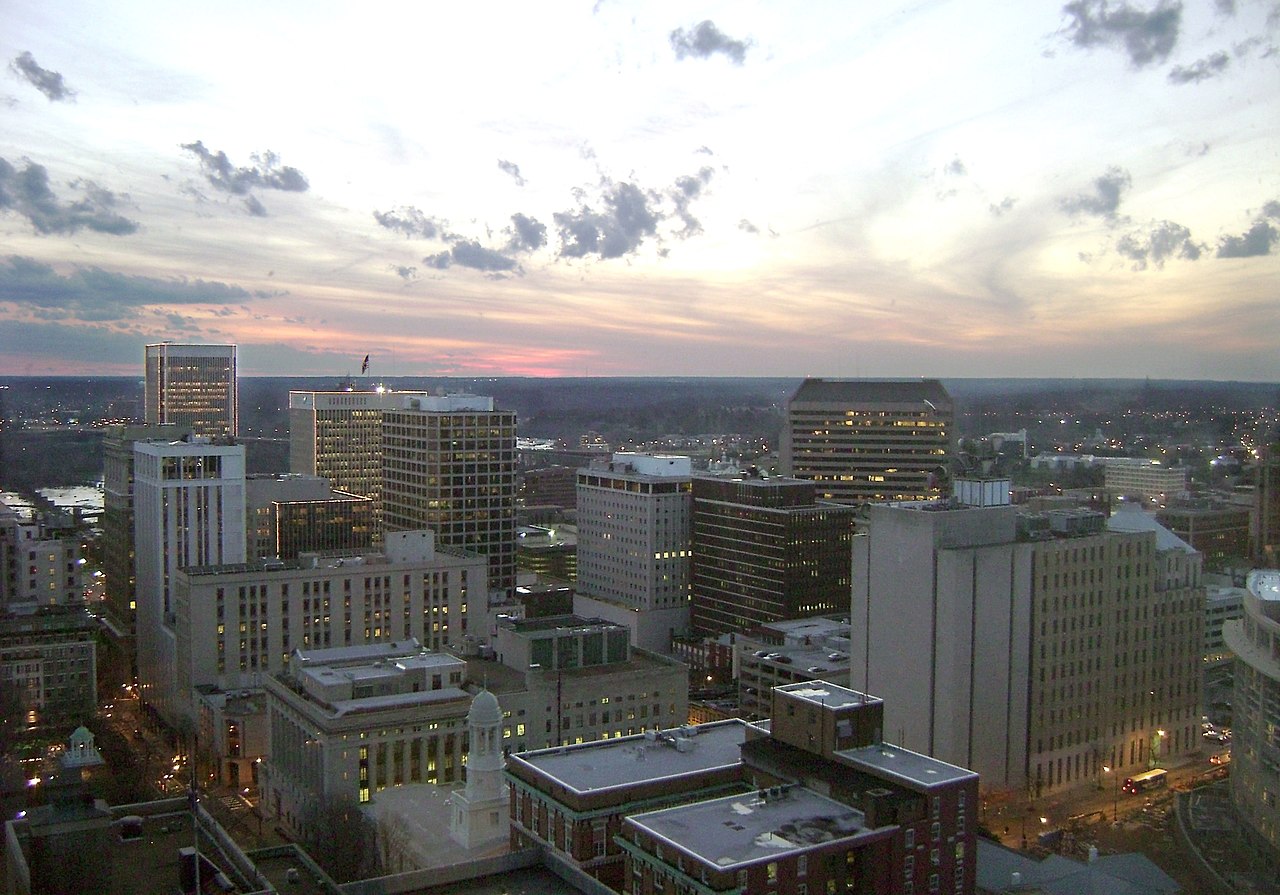
Richmond, Virginia sits at a crossroads of American history, outdoor access, and a genuinely walkable urban culture that rewards visitors who take the time to explore it properly. With a median resident age of 34.5 and a city population around 227,000 (2024 ACS 5-year estimates), Richmond has the density and energy of a real city without the overwhelm of a major metro. The result is a place where independent neighborhoods, serious cultural institutions, and a wild urban river all coexist within a compact footprint.
Whether you have a single afternoon or a long weekend, this guide breaks down what to do in Richmond by category and by whether you'll need to budget for admission. For a curated day-by-day plan, check out the Richmond 1-Day Itinerary or the Richmond 3-Day Itinerary.
Parks and Outdoor Spaces
Free to Access
James River Park System is the defining outdoor feature of Richmond. The park stretches along both banks of the James River through the heart of the city, offering trails, rapids, swimming holes, fishing spots, and rocky outcroppings that function as informal gathering spaces on warm days. The system connects multiple access points across the city, so it's easy to drop in for a short walk or commit to a longer trail run along the river.
Belle Isle is one of the most popular destinations within the park system — a mid-river island accessible by a pedestrian footbridge from the north side of the river near Tredegar Street. The island has a loop trail, views of the downtown skyline, and quick access to Class IV rapids. It draws a steady mix of hikers, climbers, and people simply looking to sit on rocks above moving water.
Byrd Park, in the Museum District, offers a quieter green space with a small lake, tennis courts, and walking paths that are popular with local residents year-round. Forest Hill Park in South Richmond has a similar character — more neighborhood-scaled, with trails and open fields that feel removed from the city without being far from it.
Maymont is a 100-acre Victorian estate and public park in the Fan District area that includes formal Italian and Japanese gardens, a nature center, a wildlife exhibit with native Virginia animals, and the original mansion. The grounds are free to enter, though some features within ask for a donation or have ticketed options — check the Maymont website for current details before visiting.
Ticketed or Donation-Based
Lewis Ginter Botanical Garden in the Lakeside area north of the city is one of the larger botanical gardens in the mid-Atlantic. It covers dozens of acres and includes themed gardens, a conservatory, and seasonal displays. Admission is charged; hours and pricing are listed on the Lewis Ginter website.
Museums and Cultural Institutions
Richmond has more than 1,000 mapped attractions and cultural sites across the metro area, giving it a depth of museum options that goes well beyond what most cities its size can support.
Free General Admission
The Virginia Museum of Fine Arts (VMFA) has historically offered free general admission to its permanent collection — confirm current policy on the VMFA website before visiting. The collection spans thousands of years of art history across painting, sculpture, decorative arts, and fashion. The building itself is worth time — it sits on Boulevard in the Museum District and has been expanded and renovated significantly over the decades. Special exhibitions typically carry a separate ticketed admission; check the VMFA website for what's currently on view.
Ticketed
The Valentine is Richmond's dedicated museum of city history, located in the Church Hill area. It holds an extensive collection of artifacts, photographs, and documents related to Richmond's past, including its role in the Civil War and its history as a center of the domestic slave trade. The museum also maintains the historic Wickham House on the same property.
The Edgar Allan Poe Museum occupies a cluster of historic buildings in Shockoe Bottom, near the neighborhood where Poe spent part of his childhood. It houses the largest collection of Poe manuscripts, letters, and personal objects in the world. For visitors interested in American literary history, it's a reasonable stop.
The American Civil War Museum at Historic Tredegar tells the story of the Civil War from multiple perspectives — Union, Confederate, and enslaved — using the same physical space. It sits at the Tredegar Iron Works site on the James River, which itself is a National Park Service property. Admission to the museum is separate from the NPS grounds outside.
For a broader overview of state and regional history, the Virginia Museum of History & Culture (formerly the Virginia Historical Society) on Boulevard holds an enormous archive and rotating exhibitions on Virginia's past.
Waterfronts and Views
Canal Walk and Shockoe Slip
Richmond's Canal Walk runs through the Shockoe Bottom and Shockoe Slip neighborhoods, following the historic Haxall and James River and Kanawha Canals. It's a free, flat, easily walkable path with interpretive signage about the city's industrial and commercial history. The surrounding blocks of Shockoe Slip have some of the city's older brick warehouse architecture, now occupied by bars, restaurants, and shops.
Libby Hill Park
Libby Hill Park in Church Hill offers one of the cleaner elevated views of the James River and the Richmond skyline. It's a small neighborhood park, freely accessible, and worth a short detour if you're already exploring Church Hill.
Brown's Island
Brown's Island sits just off the Canal Walk at the point where the river meets the old industrial waterfront. It's a free outdoor space that hosts concerts and public events during warmer months and functions as a relaxed walking destination year-round. The views across to Belle Isle from here give a good sense of how close the river's rapids are to downtown Richmond.
Historic Sites
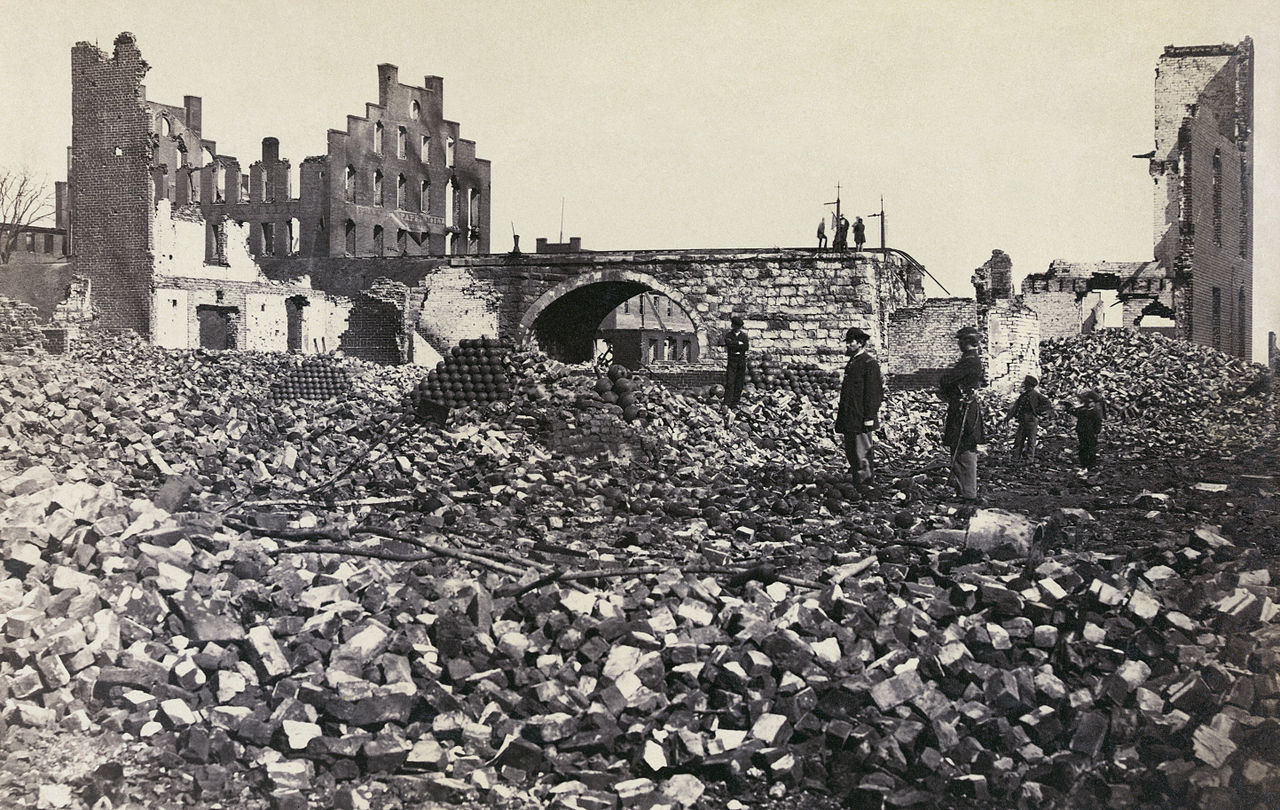
Richmond has a dense concentration of historically significant sites, and the National Park Service maintains 51 sites in or near the city. Many of them relate to the Civil War, given Richmond's role as the Confederate capital from 1861 to 1865, but the city's history extends well before and beyond that era.
Richmond National Battlefield Park is an NPS unit that covers multiple sites across the region, including Cold Harbor, Gaines' Mill, and the Tredegar visitor center on the riverfront. NPS sites generally offer free or low-cost access, but policies can vary — check the NPS website for current details on each unit.
Hollywood Cemetery is a Victorian-era cemetery on a hill above the James River that serves as the burial site for two U.S. presidents (James Monroe and John Tyler), Confederate President Jefferson Davis, and tens of thousands of Civil War soldiers. It remains an active cemetery and is open to respectful visitors during daylight hours at no charge; confirm current access hours and any entry requirements on the Hollywood Cemetery website before visiting.
St. John's Church in Church Hill is where Patrick Henry delivered his "Give me liberty, or give me death" speech in 1775. The church offers guided tours; check the current schedule and any admission details directly with the site.
The Richmond Slave Trail and African Burial Ground mark sites connected to the domestic slave trade, including Lumpkin's Jail — the site of one of Richmond's most notorious slave trading complexes, located in Shockoe Bottom. Ongoing archaeological and interpretive work at this site has made it an increasingly significant destination for visitors interested in a complete picture of Richmond's past.
Agecroft Hall is a 15th-century Tudor manor house that was dismantled in England and reassembled in Richmond in the 1920s. It sits on the James River in the Windsor Farms neighborhood and operates as a house museum with period furnishings and formal gardens. Check the Agecroft website for hours and admission.
For a curated look at the city's most recognized landmarks, see Top Landmarks in Richmond.
Neighborhoods Worth Wandering
Carytown
Carytown is a roughly eight-block commercial strip on Cary Street that functions as one of Richmond's most walkable shopping and dining corridors. It has a mix of independent boutiques, record stores, bookshops, vintage clothing, and a wide range of restaurants. The area is walkable and compact — it's the kind of place where a few hours can disappear quickly without a specific agenda.
The Fan District
Named for the way its streets fan out from downtown, the Fan is a residential neighborhood with some of Richmond's most intact early-20th-century row house architecture. Monument Avenue runs through it — a wide, tree-lined boulevard historically lined with Confederate monuments, most of which were removed in 2020. Walking the avenue today prompts a different kind of reflection than it once did, and the surrounding blocks have good independent coffee shops, restaurants, and bars woven between the residential streets.
Jackson Ward
Jackson Ward, directly north of downtown, was historically known as the "Harlem of the South" for its role as a center of Black business, culture, and civic life during the era of segregation. The neighborhood produced notable figures including Maggie L. Walker, the first Black woman to charter and serve as president of a U.S. bank. A national historic landmark district covers part of the neighborhood, and the Maggie L. Walker National Historic Site (an NPS property) is located here. The area has seen significant reinvestment in recent years, with restaurants, galleries, and small businesses operating alongside its historic fabric.
Scott's Addition
Scott's Addition is a former industrial neighborhood that has shifted toward breweries, distilleries, cideries, and creative businesses over the past decade. It draws visitors interested in Richmond's local craft beverage scene. The area is denser in small-batch producers per block than most neighborhoods in the city — check operating hours before visiting, as they vary by establishment.
Church Hill
Church Hill is Richmond's oldest neighborhood and sits on one of the city's prominent ridgelines overlooking the river and downtown. It has a mix of restored Federal and Greek Revival rowhouses, neighborhood restaurants, and the historic sites mentioned above. The elevated streets offer good views, and the area is generally easy to navigate on foot.
Eating and Drinking
Richmond has roughly 1,355 mapped restaurants, cafes, and food businesses across the metro area, spanning a wide range of cuisines and price points. The city has a particularly active independent restaurant scene, with concentrations in Carytown, Jackson Ward, the Fan, Scott's Addition, and Shockoe Slip. For a fuller picture of where to eat and what to expect by neighborhood, see the Where to Eat in Richmond guide.
Planning Your Visit
Richmond's core attractions are close enough together that a single day can cover meaningful ground — but the city is also easy to stretch across multiple days without repeating yourself. For practical questions about timing, weather, and when to visit, the Best Time to Visit Richmond page has relevant context.
The city has a public bus network and a bus rapid transit line (the Pulse) that runs along Broad Street from Rocketts Landing in the east through Scott's Addition in the west. Routes and schedules are subject to change; confirm current service with GRTC before traveling. Some areas, particularly Carytown, the Fan, and downtown, are walkable enough that a car isn't necessary for those sections. Parking exists throughout the city, with a mix of street parking and garages — expect typical urban awareness around leaving valuables visible in parked vehicles.
For a starting point that pulls everything together, the Richmond Travel Guide: Things to Do, Landmarks, Food, and Itineraries is the main hub for the full Cizle coverage of Richmond. Common visitor questions are also answered on the Richmond FAQ page.