New York City Travel Guide: Things to Do, Landmarks, Food, and Itineraries
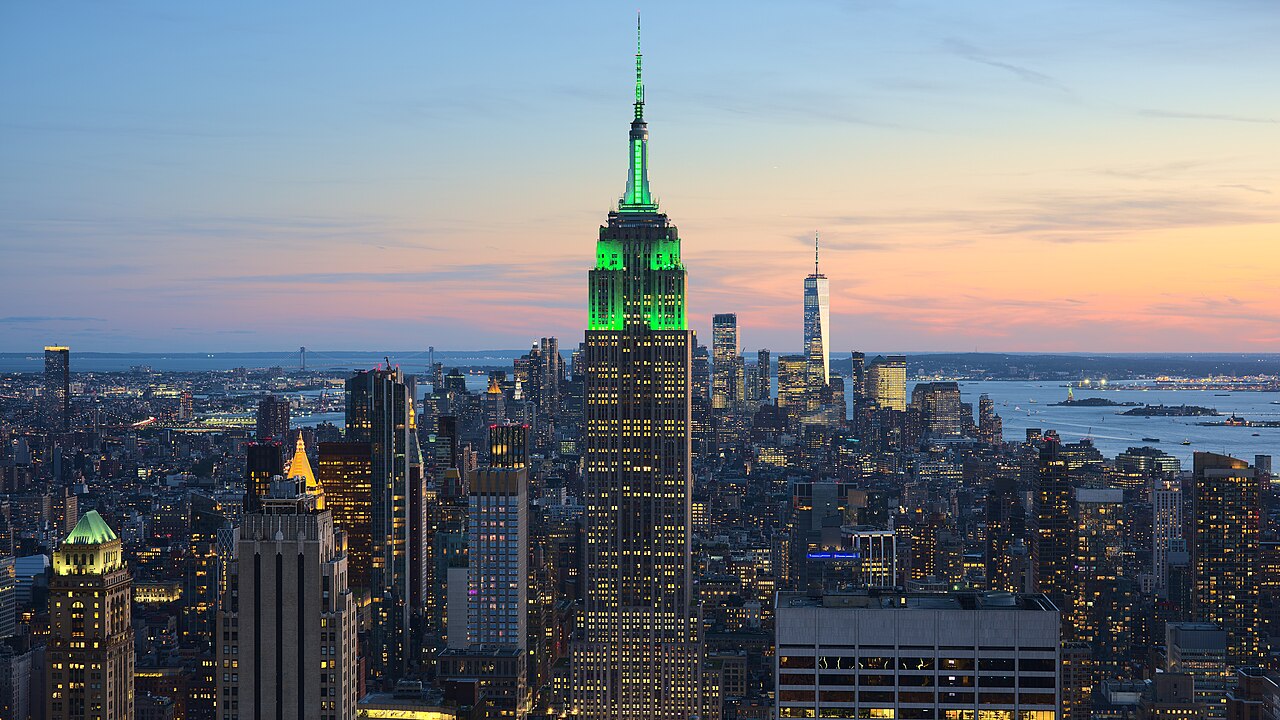
New York City, NY is one of the most visited cities in the United States, drawing tens of millions of travelers each year to its five boroughs: Manhattan, Brooklyn, Queens, the Bronx, and Staten Island. With a population of roughly 8.5 million residents, it functions less like a single destination and more like a collection of distinct cities pressed together on a patch of coastline and islands. For a first-time visitor or a returning one, the scale can feel overwhelming — but that density is also the point. Everything is accessible, often within a short subway ride, and the variety of neighborhoods, food, green space, and cultural institutions is genuinely unmatched among American cities.
This guide is designed to orient you before you arrive: which areas to focus on, what kinds of experiences are available, how to move around, where to eat broadly, and what practical realities to plan for. For deeper dives, use the linked pages throughout.
Why New York City, NY
People come to New York City for different reasons. Some are drawn to the iconic skyline, the energy of Times Square at night, or the view from the top of the Empire State Building. Others come specifically for the arts scene — the city holds hundreds of museums and galleries, and the theater culture centered in Midtown is well documented. Still others arrive for the food, which spans nearly every culinary tradition you can name across tens of thousands of restaurants and cafes.
What makes New York City particularly compelling as a travel destination is that the experience changes significantly depending on where you spend your time. A weekend in lower Manhattan feels different from a few days rooted in Brooklyn or Queens. Planning with that in mind, rather than trying to check off a list of famous addresses, tends to produce a more satisfying trip.

Neighborhoods and Areas Worth Knowing
Manhattan is where most first-time visitors spend the bulk of their time, and it rewards exploration by neighborhood rather than by landmark.
- Midtown contains the highest concentration of well-known landmarks: Times Square, Rockefeller Center, Grand Central Terminal, the New York Public Library's main branch on Fifth Avenue, and the Empire State Building. It's walkable and heavily trafficked, especially on weekdays.
- Lower Manhattan and the Financial District are home to Wall Street, the 9/11 Memorial & Museum, One World Trade Center, and the ferry terminals for the Statue of Liberty and Ellis Island. The area quiets down considerably on weekends.
- Greenwich Village and the West Village offer a slower pace, brownstone-lined streets, and a strong concentration of independent restaurants and bars.
- SoHo and Tribeca blend cast-iron architecture with contemporary retail and a dense restaurant scene.
- Harlem has a significant cultural and architectural history, with the Apollo Theater among its well-known landmarks. It's easily reachable by subway from Midtown.
- The Upper West and Upper East Sides flank Central Park and hold several major museums, including the Metropolitan Museum of Art, the American Museum of Natural History, the Guggenheim, and the Whitney.
- Chelsea and Hudson Yards are popular for the High Line, a converted elevated rail line turned public park, as well as Chelsea Market and the Edge observation deck at Hudson Yards.
Brooklyn is worth dedicating real time to. DUMBO (Down Under the Manhattan Bridge Overpass) offers views of both bridges and the Manhattan skyline. Brooklyn Heights has one of the city's more scenic promenades. Williamsburg is a densely packed neighborhood with a well-developed food and nightlife scene. Park Slope borders Prospect Park, a sprawling green space designed by the same landscape architects behind Central Park.
Queens is the most ethnically diverse county in the United States, and its neighborhoods reflect that. Flushing is a major hub for Chinese and Korean food and culture. Astoria has historically been known for its Greek community and remains a strong option for a wide range of international dining. Long Island City, just across the East River from Midtown Manhattan, has seen significant development and is home to MoMA PS1.
The Bronx is home to the Bronx Zoo — one of the largest urban zoos in the country — and the New York Botanical Garden, as well as Yankee Stadium.
Staten Island is connected to Manhattan by the Staten Island Ferry, which runs frequently and offers views of the harbor and the Statue of Liberty at no cost. It's the least visited of the five boroughs by tourists but has its own neighborhoods, parks, and food culture worth exploring if you have the time.
Things to Do in New York City
The mapped area includes roughly 2,449 attractions, museums, and historic sites — enough to fill years of visits. A practical first trip will prioritize by geography and interest rather than trying to maximize coverage.
For a structured look at options across all five boroughs, see the full Best Things To Do in New York City page.
Outdoors and parks: Central Park is an 843-acre public space in the middle of Manhattan that functions as the city's primary green commons. Prospect Park in Brooklyn, Flushing Meadows–Corona Park in Queens, and Pelham Bay Park in the Bronx all offer substantial outdoor space. Governors Island, accessible by ferry from lower Manhattan and Brooklyn, is a seasonal car-free island with open lawns, food vendors, and views of the harbor.
Museums and culture: The Met, MoMA, the American Museum of Natural History, the Guggenheim, the Intrepid Sea, Air & Space Museum, the New York Transit Museum, and the Brooklyn Museum are among the most commonly visited. New York City, NY has 33 National Park Service sites in and around the metro area, including the Statue of Liberty National Monument, Ellis Island, Federal Hall National Memorial, the African Burial Ground National Monument, Stonewall National Monument, and General Grant National Memorial.
Architecture and streets: The Brooklyn Bridge is worth crossing on foot. Grand Central Terminal is a functioning commuter hub that also draws visitors for its architecture. The Chrysler Building, the Flatiron Building, and the exteriors of Rockefeller Center are all accessible from the street without any admission.
Performing arts: Broadway is centered on the Theater District in Midtown. Off-Broadway and Off-Off-Broadway productions run throughout the city. Carnegie Hall and Lincoln Center are major classical performance venues.
For detailed write-ups on specific sites, the Top Landmarks in New York City page covers the most commonly visited spots.

Where to Eat in New York City
New York City, NY has approximately 14,959 mapped restaurants and cafes, covering every price range, cuisine, and dining format imaginable. The range runs from decades-old Jewish delis and Cantonese dim sum halls to contemporary tasting menus and a vast street food infrastructure of carts and food halls.
Rather than a ranked list, the most useful approach is to eat where you are. Every major neighborhood has a strong local food culture, and wandering into a place that looks busy with locals is generally a reliable strategy. Chelsea Market is a popular food hall option in a converted industrial building. The Fulton Center area near lower Manhattan and the DeKalb Market Hall in downtown Brooklyn are other well-trafficked indoor food options.
For neighborhood-by-neighborhood eating suggestions and cuisine categories, visit the Where to Eat in New York City page.
Getting Around New York City
The MTA subway system runs 24 hours a day, seven days a week, which is unusual among major American transit systems and makes it genuinely useful for visitors across all hours. Buses cover routes the subway doesn't reach directly. Contactless tap-to-pay using a credit card, debit card, or mobile wallet works at subway turnstiles and on buses — check the MTA's official site for current fare information, as rates are subject to change.
Walking is practical and often preferable within neighborhoods. Many first-time visitors underestimate how much of the city is walkable once you're on the ground.
Taxis and rideshare services are widely available. The Staten Island Ferry provides a free crossing between Staten Island and lower Manhattan. NYC Ferry connects several waterfront neighborhoods in Brooklyn, Queens, and the Bronx to Manhattan for a fare — check the NYC Ferry site for current rates.
If you're arriving by rail, Penn Station and Grand Central Terminal connect the city to regional Amtrak routes, the Long Island Rail Road, Metro-North, and New Jersey Transit. Newark Liberty International Airport is served by NJ Transit rail with a connection through Penn Station.
Parking Considerations
Driving into Manhattan is generally not recommended for leisure travel. Parking garages in Midtown and lower Manhattan charge rates that are among the highest in the country, and on-street parking is scarce and governed by complex alternate-side regulations. Congestion pricing for driving into lower Manhattan is in effect — check the MTA's official site for details and current rates, as policies and fees can change.
If you're driving and staying outside Manhattan, parking options vary by neighborhood. Brooklyn and Queens have more surface lots and on-street parking than central Manhattan, but costs and availability shift block by block. If you have a car, leaving it parked at your hotel or near a transit hub and using the subway for day trips is usually the most practical approach.
Visitor Tips
- Plan by neighborhood: New York City rewards people who commit to a neighborhood for a half-day rather than bouncing across boroughs chasing individual landmarks. The subway is fast, but transitions eat time.
- Book in advance for high-demand sites: The Statue of Liberty ferry, popular Broadway shows, and some museum special exhibitions benefit from advance reservations. Check official sites for ticketing details.
- Dress for walking: Regardless of season, expect to walk significant distances. Comfortable shoes will define your experience more than almost any other preparation.
- Timing matters by neighborhood: Some areas are energetic on weekday mornings (Midtown) and quiet on weekends; others are the reverse (Financial District, SoHo). Planning with that rhythm in mind helps.
- Use official sources: For transit maps, attraction hours, and fees, rely on official MTA, NYC Parks, and individual venue websites. Information changes frequently, and third-party summaries often go stale.
For timing your visit around weather, crowds, and events, see Best Time to Visit New York City.
Family Tips
New York City, NY is commonly visited by families and has substantial infrastructure for travelers with children.
- Central Park has playgrounds, the Wollman Rink (seasonal), row boat rentals, and the Central Park Zoo.
- The American Museum of Natural History is popular with children across a wide age range.
- The Bronx Zoo and New York Botanical Garden are accessible by subway and are full-day options.
- Many NYC Ferry routes offer waterfront views that appeal to younger travelers.
- Coney Island in Brooklyn is a seasonally active boardwalk with amusement rides, arcade games, and beach access.
- Free activities — the Staten Island Ferry, walking the Brooklyn Bridge, exploring Central Park and Prospect Park — can anchor family days without significant admission costs.
Plan Your Time
If you're working out a day-by-day structure, the following itinerary pages break down a realistic visit:
- New York City 1-Day Itinerary — a single focused day covering the most accessible highlights.
- New York City 3-Day Itinerary — a three-day structure that moves through Manhattan, Brooklyn, and a cultural day.
Frequently Asked Questions
For a full list of common visitor questions — including what neighborhoods to stay in, how to handle the weather, tipping customs, and transit tips — visit the New York City FAQ page.
Is New York City walkable? Yes, particularly within neighborhoods. Manhattan's grid makes orientation straightforward, and many of the most commonly visited areas — Midtown, the Village, lower Manhattan, Brooklyn Heights — are compact enough to navigate on foot for hours at a time.
Do I need to rent a car? For most visitors, no. The subway system covers the vast majority of tourist-relevant destinations in Manhattan, Brooklyn, and Queens. Specific outlying destinations — some parts of Staten Island or the Bronx — may benefit from a car, but for a standard leisure visit, transit and walking are sufficient.
How many days do I need? A first-time visit of three to five days allows for a solid introduction. New York City, NY is large enough that repeat visits reward focusing on different boroughs or neighborhoods each time.
What should I pack? Layers year-round. Summers are hot and humid; winters are cold and occasionally severe. Spring and fall are variable. Rain gear is useful in any season. Comfortable walking shoes are essential.
Is the city safe for tourists? New York City, NY is a large urban environment and ordinary urban awareness applies — pay attention to your surroundings, keep valuables secured, and use well-lit and trafficked routes at night. Millions of tourists visit the city each year without incident.
*This guide is maintained as evergreen reference material. For the most current hours, admission fees, and transit fares, always check official venue and MTA websites before your visit.*