Los Angeles Travel Guide: Things to Do, Landmarks, Food, and Itineraries

Los Angeles is a sprawling coastal city of roughly 3.86 million people (2024 ACS 5-year estimate), spread across a patchwork of neighborhoods and adjacent cities that each have their own identity. There isn't a single downtown that defines the visitor experience the way there might be in a more compact city; instead, Los Angeles works best when you think of it as a collection of districts connected by freeways, boulevards, and a growing rail network. This guide is meant as a starting point — a hub for understanding how the city fits together before you dig into the more specific pages on things to do, landmarks, restaurants, and day-by-day itineraries.
Why Visit Los Angeles
Los Angeles draws visitors for a mix of reasons: the entertainment industry and its associated studio tours and historic theaters, a long coastline with distinct beach communities, a large and varied food scene shaped by generations of immigration, and a climate that supports outdoor activity for much of the year. The metro area is also home to a substantial number of museums, gardens, and historic sites — according to OpenStreetMap data, the area counts roughly 663 attractions, museums, and historic sites, which gives a sense of how much there is to choose from beyond the handful of famous names most visitors already know.
For a full rundown of activities, see Best Things To Do in Los Angeles, and for the city's most recognizable sites, check Top Landmarks in Los Angeles.

Getting to Know the Neighborhoods
Understanding a few key areas will help you plan more efficiently than trying to "see Los Angeles" as one unit.
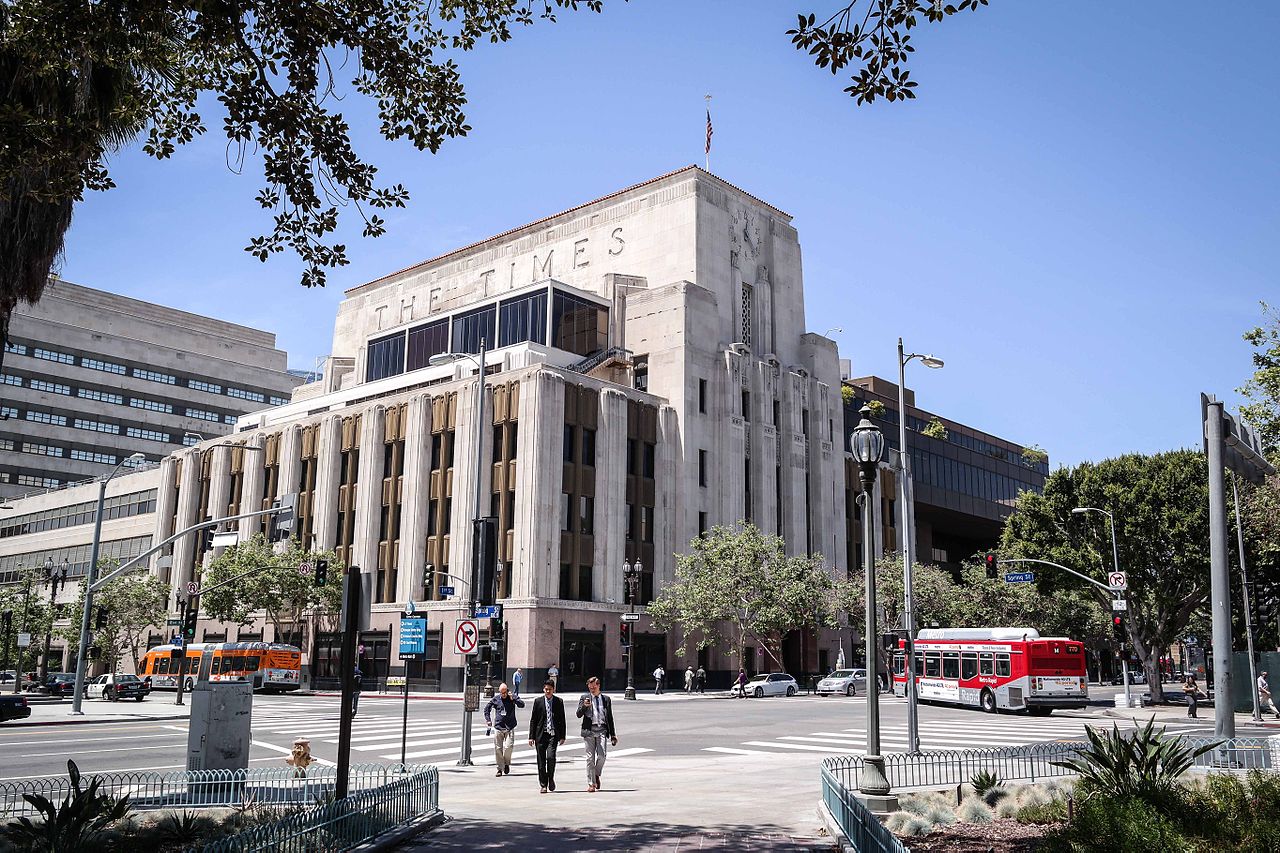
Downtown Los Angeles is the civic and financial core, with a growing residential population, performing arts venues, and pockets like the Historic Core and the Arts District that reward walking. Hollywood remains a draw for its association with the film industry, historic theaters, and the Walk of Fame, even though most active studio production now happens elsewhere in the region. Santa Monica and Venice anchor the coastal side of the city, known for their piers, boardwalks, and beach culture. West Hollywood, Silver Lake, and Los Feliz offer a mix of nightlife, independent shopping, and hillside residential streets. Koreatown is one of the most densely populated parts of the city and a center of Korean cuisine and late-night dining. Further out, Griffith Park and the surrounding hills provide green space and skyline views within city limits.
Because Los Angeles is so spread out, it's worth picking a home base — often Downtown, Hollywood, or somewhere along the coast — and building your plans outward from there rather than trying to crisscross the entire metro area each day.
A High-Level Pass at Things to Do
Los Angeles supports a wide range of activities: museum-going, outdoor recreation, beach time, studio and entertainment-industry tourism, and simply eating your way through different neighborhoods. Given the volume of options — again, roughly 663 mapped attractions, museums, and historic sites in the wider area — most visitors do better picking a few themes for their trip rather than attempting a checklist. The dedicated Best Things To Do in Los Angeles page breaks these down by category, and the Top Landmarks in Los Angeles page focuses specifically on the sites most associated with the city's identity.
The city also sits near several National Park Service units, including Santa Monica Mountains National Recreation Area — one of several NPS-affiliated sites close to LA — which preserves open space and trails within and around the urban footprint. As with any NPS site, check the official National Park Service site for current hours, fees, and access conditions before you go, since these details can change.
Where to Eat
Food is one of the strongest reasons to visit Los Angeles, and the scale of the dining scene reflects that: according to OpenStreetMap data, the area counts around 4,473 restaurants and cafes, spanning cuisines from across Latin America, East and Southeast Asia, the Middle East, and beyond, alongside classic American diners and fine dining rooms.
Rather than a handful of famous names, the city's dining strength is really its breadth by neighborhood: Koreatown's dense concentration of Korean barbecue and late-night spots, the Latin American cooking found across East LA and Boyle Heights, the Thai Town and San Gabriel Valley corridors for Southeast and East Asian cuisine, and the Westside and coastal areas for seafood and higher-end dining. Because restaurants open, close, and change hands often, this guide intentionally doesn't name specific establishments — always check current, official sources (a restaurant's own site, or your preferred review platform) for what's open, hours, menus, and reservation policies before making plans. For a fuller overview organized by neighborhood and cuisine, see Where to Eat in Los Angeles.
Getting Around
Los Angeles is known for its car-oriented layout, and a rental car remains the most flexible way to reach spread-out neighborhoods, coastal areas, and hillside viewpoints. That said, the city has an expanding rail and bus network operated by LA Metro, including subway and light rail lines connecting Downtown to Hollywood, the Westside, Long Beach, and other parts of the region. Many transit systems in the area now support contactless tap-to-pay using a bank card or mobile wallet in addition to dedicated fare cards, which can simplify occasional use — check the transit agency's official site for current fare information and any applicable fare caps, since these policies are subject to change.
Traffic is a real consideration at almost any hour, not just traditional rush periods, so it's worth building extra travel time into your plans, especially if you're moving between distant neighborhoods like Santa Monica and Downtown. Rideshare services are widely available and can be a practical option for evenings out or trips where parking is limited.
Parking Considerations
Parking availability and cost vary significantly by neighborhood. Downtown, Hollywood, and coastal areas like Santa Monica and Venice tend to have metered street parking and paid lots or structures, while residential neighborhoods may have permit restrictions on street parking. Beach-adjacent areas can fill up quickly on warm days. Because posted rates, time limits, and permit rules can change and vary block by block, it's worth checking posted signage on-site and, where available, the relevant city or county parking authority's website rather than assuming a flat rate applies citywide.
Visitor Tips
Plan around distance rather than the clock — two neighborhoods that look close on a map can still mean a long drive depending on traffic. Sun protection is worth packing regardless of season, given the region's generally sunny climate. As with any large city, use ordinary urban awareness: keep valuables out of sight in parked cars, stay alert in crowded tourist areas, and check current conditions for outdoor recreation areas, since trail and beach conditions can shift with weather and seasonal closures.
Family Tips
Families visiting Los Angeles often gravitate toward the beach communities, Griffith Park and its open space, and the entertainment-industry attractions concentrated around Hollywood and the greater metro area. Many museums offer exhibits geared toward children, and outdoor spaces provide a break from driving between indoor attractions. As with parking and transit, check individual venues' official sites for current age recommendations, accessibility information, and hours before visiting, since these vary by location and season.
Planning Your Visit
If you're mapping out timing, see Best Time to Visit Los Angeles for a seasonal overview. For structured plans, the Los Angeles 1-Day Itinerary covers a condensed introduction to the city, while the Los Angeles 3-Day Itinerary allows more room to cover multiple neighborhoods and activity types. For quick answers to common logistical questions, the Los Angeles FAQ is a good reference.
FAQ
Is Los Angeles walkable? Some neighborhoods, such as Downtown's Historic Core, Santa Monica, and parts of Hollywood, are walkable within their own boundaries, but the city as a whole is spread out and generally requires a car, rideshare, or transit to move between areas.
Do I need a car to visit Los Angeles? Many visitors find a car useful given the city's size, though a combination of rail, bus, and rideshare can work well if you're focusing on a smaller number of neighborhoods connected by transit lines.
What's the best base neighborhood for a short visit? It depends on your priorities — Downtown offers central access to museums and transit, Hollywood suits entertainment-industry sightseeing, and coastal areas like Santa Monica suit beach-focused trips. See the Los Angeles 1-Day Itinerary and Los Angeles 3-Day Itinerary for structured suggestions.
Is Los Angeles expensive to visit? Housing costs in the city are relatively high — median gross rent runs close to $1,879 (2024 ACS 5-year estimate) — which can translate into higher accommodation costs for visitors as well, though dining and activity costs vary widely by neighborhood and venue.
When should I visit? The region has a generally mild climate year-round, but timing can affect crowd levels, event schedules, and outdoor conditions. See Best Time to Visit Los Angeles for more detail.