Los Angeles 1-Day Itinerary
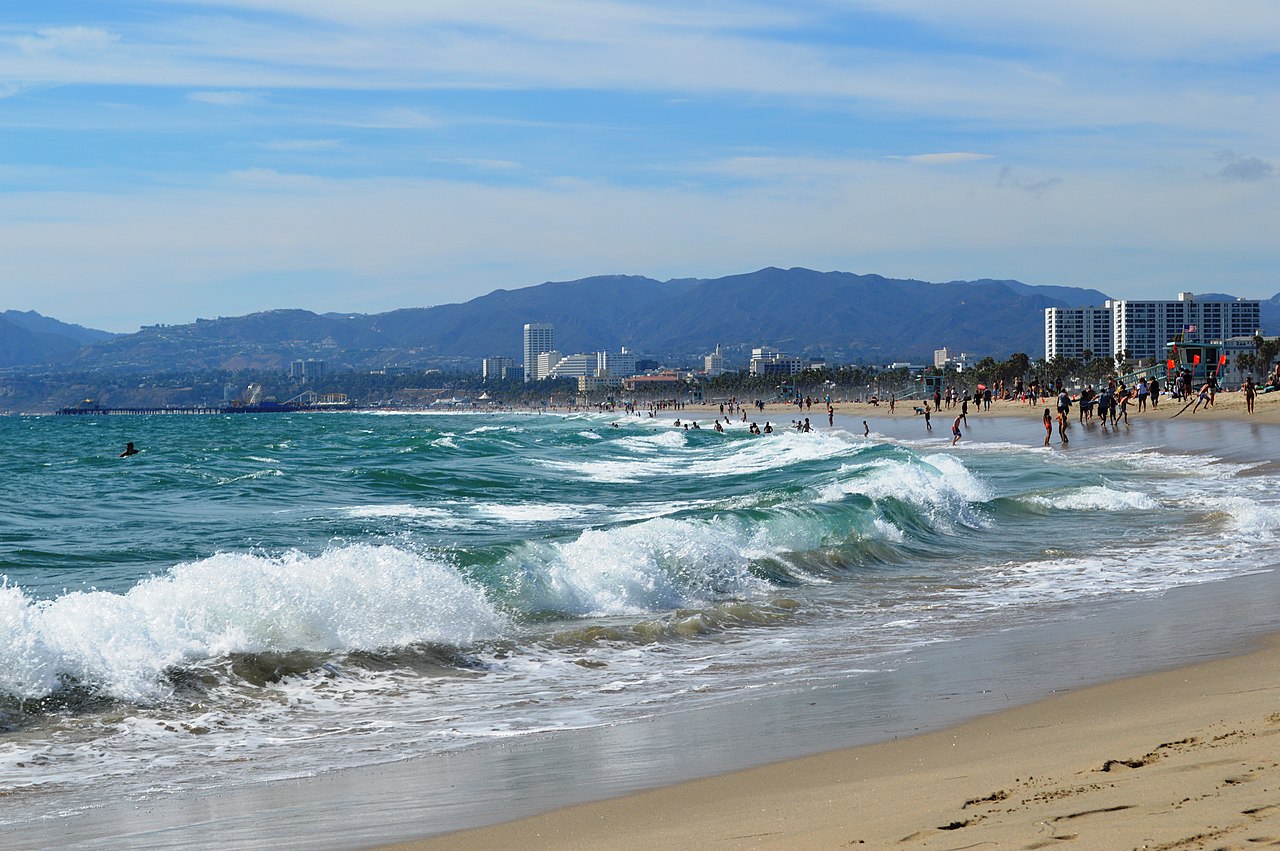
Los Angeles, CA is a sprawling city of nearly 3.9 million people spread across a basin bounded by mountains to the north and east and the Pacific Ocean to the west. For a first-time visitor with only one day, the challenge isn't finding things to do — the city has hundreds of mapped attractions and museums — it's choosing a route that doesn't waste half the day sitting in traffic or riding transit between neighborhoods that are miles apart. This itinerary keeps movement logical: you start downtown, push north and east to Hollywood and Griffith Park at midday, then drift west toward the coast for the evening. It's ambitious but doable, and it gives you a genuine cross-section of what Los Angeles, CA actually looks and feels like.
For a longer look at the city, see the Los Angeles 3-Day Itinerary or the full Los Angeles Travel Guide: Things to Do, Landmarks, Food, and Itineraries.
Before You Leave the Hotel
Los Angeles, CA does not have a reputation for walkability, and that reputation is largely earned. Distances between major neighborhoods are real, and even areas that look close on a map can involve a 20-minute drive. A few things to sort out before your day starts:
Getting around: The Metro rail network connects downtown to Hollywood directly via the B Line, which is worth using for that one stretch. Buses fill in gaps, and contactless tap-to-pay works across the system — check the Metro website for current fare information before you travel. For the Griffith Park and coastal portions of this itinerary, a rideshare app will save you significant time. If you're renting a car, parking logistics will shape your day; factor that into every stop.
Timing: Los Angeles, CA morning rush hour on freeways typically peaks between 7 and 9 AM and again in the late afternoon. If you're driving, getting an early start or timing your freeway segments outside those windows makes a measurable difference. On the Metro, trains run frequently and avoid surface congestion entirely.
Check the Best Time to Visit Los Angeles page if you're still planning your trip dates — the city's marine layer, Santa Ana wind conditions, and event calendar vary by season more than many visitors expect.

Morning: Downtown Los Angeles
Approximate time: 8:30 AM – 12:00 PM
Start your day in downtown Los Angeles, CA, which is compact enough to explore on foot for a few hours. The first stop is Grand Central Market, a covered public market that has operated in the same building since 1917. It opens early and draws a mix of office workers and visitors; the food stalls run the range from traditional Mexican breakfast dishes to coffee to pastries. It's a good, low-key way to get your bearings before the city fully wakes up.
From Grand Central Market, walk two blocks west along Broadway to reach the Civic Center and Grand Park area. Grand Park is a roughly 12-acre public space running up to City Hall. It's a practical green space rather than a scenic destination on its own, but it connects well to the next cluster of stops.
Continue a short walk to The Broad, a contemporary art museum on South Grand Avenue that holds a significant collection of postwar and contemporary American work. Admission policies and hours can change — check the official website before going, as timed entry is sometimes required. Across the street, the exterior of Walt Disney Concert Hall is worth pausing at even if you're not going inside. The Frank Gehry-designed stainless steel facade is one of the more photographed architectural features in the city.
The Top Landmarks in Los Angeles page covers these and other downtown stops in more detail if you want to read deeper before arrival.
Midday: Hollywood
Approximate time: 12:00 PM – 3:30 PM
From downtown, the Metro B Line runs directly to the Hollywood/Highland station — the ride takes roughly 20 to 25 minutes depending on conditions and is one of the most practical uses of public transit on this itinerary. You arrive directly into the Hollywood and Highland complex.
The Hollywood Walk of Fame stretches along Hollywood Boulevard and Vine Street, with the embedded terrazzo and brass stars covering more than a mile of sidewalk. It can feel crowded at midday, particularly near TCL Chinese Theatre, where the forecourt cement carries handprints and footprints from decades of film history. It's worth a look; just keep moving if the crowds aren't your pace.
For lunch, Hollywood Boulevard and the surrounding streets have a large concentration of restaurants. See the Where to Eat in Los Angeles page for an overview of the neighborhoods and what you're likely to find.
Afternoon: Griffith Park and the Observatory
Approximate time: 3:30 PM – 5:30 PM
From Hollywood, take a rideshare (or the DASH Observatory bus when it runs — check current schedules with LADOT) up to Griffith Observatory. The observatory sits on the south slope of Mount Hollywood at roughly 1,135 feet, and the view from the grounds looking south over Los Angeles, CA — with the skyline, basin, and on clear days the ocean in the distance — is one of the more striking urban panoramas in the country.
Griffith Park itself is one of the largest urban parks in the United States, covering over 4,300 acres. The grounds around the observatory have several short walking paths that extend the visit naturally. Plan to arrive at the observatory parking area by 3:30 PM or earlier on weekends, when it can fill up; the rideshare drop-off is straightforward. Check the observatory's website for current public hours and program schedules before visiting.
Evening: Venice and the Coast
Approximate time: 5:30 PM onward
From Griffith Park, a rideshare west to Venice takes roughly 30 to 45 minutes depending on afternoon traffic. The Venice Boardwalk (Ocean Front Walk) is a well-known pedestrian promenade along the beach that is best experienced in the late afternoon when the light is lower and the crowd is a mix of locals and visitors. Street performers, vendors, and the adjacent Muscle Beach outdoor gym make it a consistently lively stretch.
A short walk north leads to Santa Monica, where the pier extends out over the water. The pier itself has an amusement park at its far end; the view back toward the city from the pier's tip at sunset is a reasonable reward for the day's travel. The beach area here is generally accessible, and it's a comfortable place to slow down after a full day of moving.
For dinner, the stretch of Main Street in Santa Monica and the blocks around Abbot Kinney Boulevard in Venice have a wide range of restaurants — from casual counter-service spots to more formal sit-down dining. The area has hundreds of dining options across those neighborhoods combined. See Where to Eat in Los Angeles for context on the broader dining landscape.
Backup Option: Staying West Side All Day
If navigating between downtown, Hollywood, and the coast sounds like too many transitions, a simplified version of this day works entirely on the west side of the city. Start the morning at Santa Monica Pier, walk south along the beach path to Venice, spend midday exploring Abbot Kinney Boulevard, and end the afternoon at the Getty Center in Brentwood before a coastal dinner. The Getty sits above the 405 freeway on a ridge with its own significant views; timed-entry tickets and parking reservations are typically required — check the official site well in advance.
This version involves less transit complexity and keeps you in a more walkable cluster of neighborhoods, at the cost of skipping downtown and Griffith Park entirely.
Getting Around Los Angeles, CA: Practical Notes
Urban awareness applies in Los Angeles, CA the same way it does in any large American city. Busy tourist areas like Hollywood Boulevard and Venice Boardwalk see significant foot traffic and the usual mix of street activity that comes with high-density public spaces; keep your standard awareness level and you'll navigate comfortably.
The Metro system is a reliable option for the downtown-to-Hollywood segment specifically. For everything else on this route, rideshare or a rental car will typically save time. If you're driving, the I-10, US-101, and I-405 are the freeways you'll likely touch; avoid peak hours where possible.
For more on navigating the city and planning around its neighborhoods, the Los Angeles FAQ and Best Things To Do in Los Angeles pages are good follow-up reads.