Los Angeles FAQ

Planning a trip to Los Angeles raises a lot of questions — and for good reason. With close to 3.9 million residents spread across a vast, decentralized metro area, Los Angeles operates differently from most American cities. This page works through the questions visitors ask most often, from getting around to where to stay to when to go.
Do I need a car to visit Los Angeles?
For most visitors, having access to a car makes Los Angeles considerably easier to navigate. Neighborhoods like Santa Monica, Hollywood, and Downtown Los Angeles can sit 10 to 20 miles apart, and many commonly visited attractions are spread across a wide area. That said, a car isn't strictly required, particularly if you're staying in a well-connected neighborhood and keeping your itinerary concentrated. Los Angeles has expanded its public transit network meaningfully in recent years, and rideshare services are widely available throughout the city. If you're comfortable mixing transit with rideshare for longer stretches, a car-free trip is workable — especially for shorter stays.
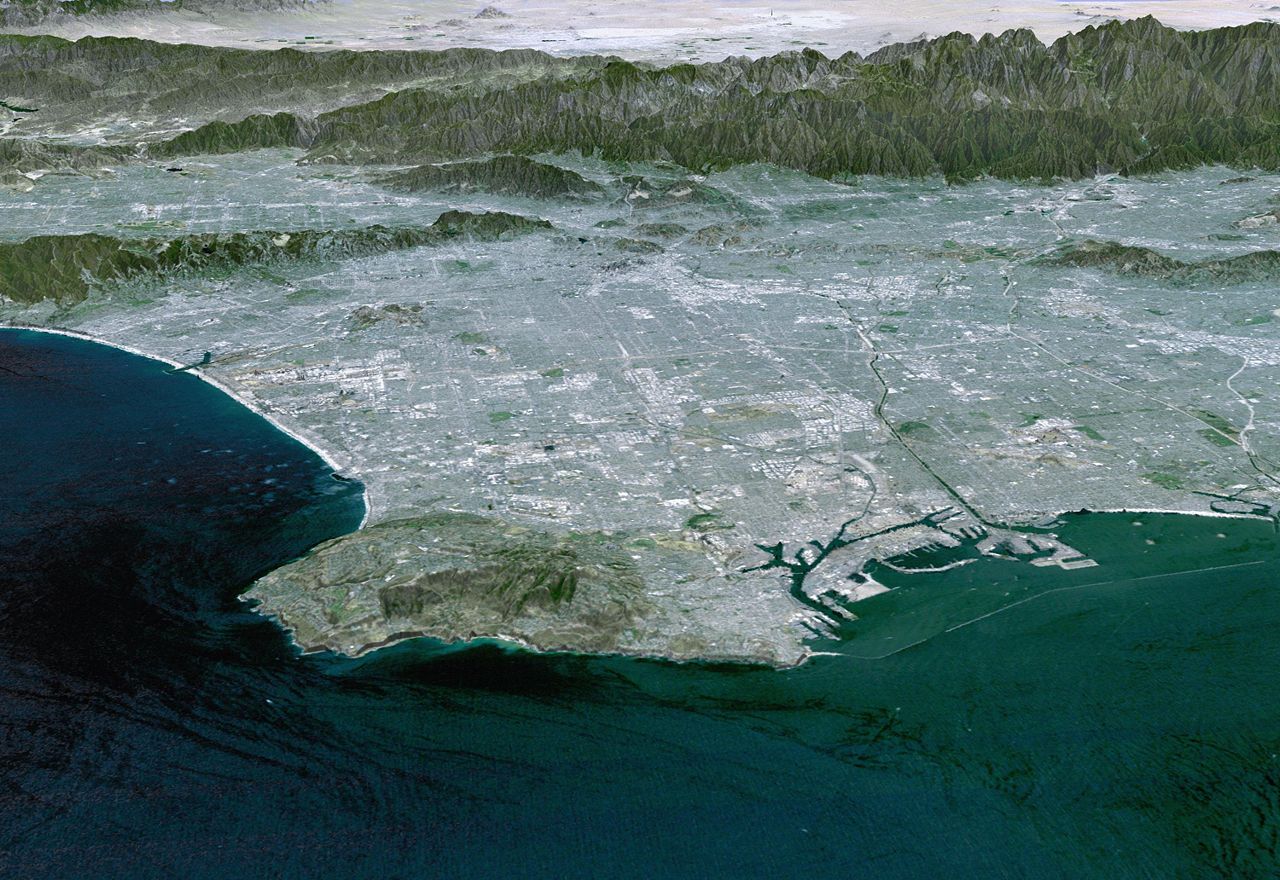
How does public transit work in Los Angeles?
Los Angeles Metro operates a network of subway lines, light rail routes, and buses connecting many parts of the city. The Metro Rail system reaches areas including Downtown Los Angeles, Hollywood, Culver City, and the Westside. For payment, the system uses contactless tap-to-pay, including credit and debit cards and mobile wallets — check the official Metro website for current fare information and any pass options. Buses cover a broader footprint where rail doesn't reach. Travel times can be longer than driving, especially for cross-county trips, so factor transit connections into your itinerary planning.
What are my options for getting from the airport to the city?
Los Angeles International Airport (LAX) is the primary arrival point for most visitors, though the region is also served by Hollywood Burbank Airport, Long Beach Airport, and Ontario International Airport depending on your destination. From LAX, options include rideshare pickup from designated areas, hotel shuttles, shared van services, and Metro connections via a dedicated transit link to the rail network. Pickup procedures and transit connections at LAX change periodically, so the airport's official website is the most reliable reference before your trip. If you're renting a car, rental facilities are accessed via shuttle from the terminals.
Is Los Angeles expensive to visit?
Los Angeles sits toward the higher end of U.S. travel costs. Hotel rates vary considerably by neighborhood and season, and dining ranges from affordable neighborhood spots to pricier sit-down restaurants. Parking in denser areas can add up, so check for current rates wherever you plan to drive. On the other hand, many of the city's beaches, parks, and public spaces are free or low-cost to access, which helps balance things out. For attraction admission, museum hours, and any fees that may have changed, always check official websites rather than relying on third-party listings.
Is Los Angeles safe for tourists?
Like any large American city, Los Angeles has neighborhoods with varying safety profiles. Commonly visited tourist areas — beach communities, major museum districts, and well-trafficked commercial corridors — see steady foot traffic throughout the day and are broadly comparable to other major U.S. cities in terms of the ordinary urban awareness that's worth maintaining anywhere. Standard precautions apply: keep an eye on your belongings, stay aware of your surroundings after dark, and use rideshare or transit for unfamiliar routes at night rather than walking alone. Checking local news and resources before your visit is always a reasonable step.
What's the best time of year to visit Los Angeles?
Los Angeles has a Mediterranean climate — warm, dry summers and mild winters with occasional rain. Spring (March through May) and fall (September through November) tend to be popular visiting windows, when temperatures are comfortable and crowds are somewhat thinner than peak summer. Summer is the busiest season, particularly along the beaches, and you'll likely see higher accommodation rates and heavier traffic. Winter is mild by most standards and can offer lower prices, though some attractions operate on reduced schedules. For a more detailed breakdown, the Best Time to Visit Los Angeles guide covers the tradeoffs by month.
Which neighborhoods should I consider for a hotel?
Where you stay shapes how the whole trip feels in Los Angeles. Downtown Los Angeles offers transit access, proximity to cultural institutions, and a central location. Santa Monica and Venice are practical for beach access and have walkable commercial strips. West Hollywood and Hollywood proper sit close to many commonly visited landmarks and entertainment venues. Culver City has become a well-regarded base for those drawn to arts, dining, and design. For families with theme park itineraries, areas in the San Fernando Valley or closer to Anaheim may save meaningful travel time. Matching your neighborhood to your priorities cuts down significantly on driving. The Los Angeles Travel Guide has a broader overview of the city's layout.
Is Los Angeles a good destination for families with kids?
Los Angeles works well for families and has a wide range of options across age groups. Theme parks, beaches, aquariums, interactive museums, and accessible hiking trails all fit into family-friendly itineraries. Many natural spaces in the area — including beaches along Santa Monica Bay and the Santa Monica Mountains — are broadly accessible without specialized gear or extensive preparation. For structured days, the Best Things To Do in Los Angeles page covers many options worth considering. Check admission, hours, and reservation requirements directly with each venue before you go, as policies change.
Are there national parks or natural areas near Los Angeles?
There are four National Park Service sites in or near Los Angeles, covering a range of natural and historical significance. The Santa Monica Mountains National Recreation Area is among the most accessible for day use, with hiking trails and open space within reach of the urban core. Other NPS units in the broader area include sites of historical and cultural importance. For current trail conditions, hours, and any entry requirements, the National Park Service website is the authoritative source — and conditions can shift seasonally.
How many days do I need to explore Los Angeles?
Even a long weekend gives you enough time to cover a few key areas well, but Los Angeles rewards more time. Three to five days allows a reasonable sweep of different neighborhoods, a beach visit, a museum or two, and some flexibility for the city's unpredictable traffic. With roughly 663 mapped attractions, museums, and historic sites across the area, you're not going to run out of options on a longer trip. The Los Angeles 3-Day Itinerary and Los Angeles 1-Day Itinerary offer structured starting points depending on how much time you have.
What's the dining scene like in Los Angeles?
Los Angeles has one of the more diverse dining landscapes in the country, shaped by the city's demographics and its long-standing role as a destination for immigration and culinary exchange. The area has roughly 4,400 mapped restaurants and cafes, spanning regional Mexican, Korean, Japanese, Ethiopian, Persian, and dozens of other culinary traditions — often within a few blocks of each other. Food trucks, farmers markets, and neighborhood counters sit alongside higher-end dining throughout the city. For a broader overview of where to eat and which areas to focus on, the Where to Eat in Los Angeles guide is a practical starting point.
What should I know about rush-hour traffic?
Los Angeles traffic is a real factor that affects both driving and transit travel times. Typical weekday rush hours — morning and evening — can extend cross-city drives considerably, and some freeway stretches slow substantially. If you're renting a car, planning major drives outside peak hours is worth the effort wherever your itinerary allows. Rideshare surge pricing often tracks traffic conditions, so factor that into your budget for busy periods. For transit riders, frequency can drop during off-peak hours, so checking the Metro schedule in advance helps with timing. For more help thinking through your days in the city, the Los Angeles Travel Guide is a useful reference, along with the Top Landmarks in Los Angeles page if you're still building your list of places to visit.