Chicago Travel Guide: Things to Do, Landmarks, Food, and Itineraries

Chicago, IL is one of the most visited cities in the United States, and for reasons that go well beyond a single neighborhood or attraction. Situated on the southwestern shore of Lake Michigan, Chicago combines a recognizable skyline with a dense grid of distinct neighborhoods, a long-standing restaurant culture, and a public transit system that connects most of what a visitor would want to see. Whether you are spending one day or several, this guide is designed to help you orient yourself and make practical decisions.
Chicago at a Glance
With a population of approximately 2.7 million residents according to the U.S. Census 2024 ACS 5-year estimate, Chicago is the third-largest city in the country. The city's median age is 35.7, and its neighborhoods reflect a wide range of incomes, backgrounds, and built environments. Visitors tend to cluster around the lakefront and downtown corridors, but the city rewards those who travel further into its residential areas.
Chicago's street grid is logical and consistent, anchored by State and Madison Streets at the center. The lake always runs east. Once you internalize those two facts, navigating the city becomes considerably easier.
Neighborhoods Worth Knowing
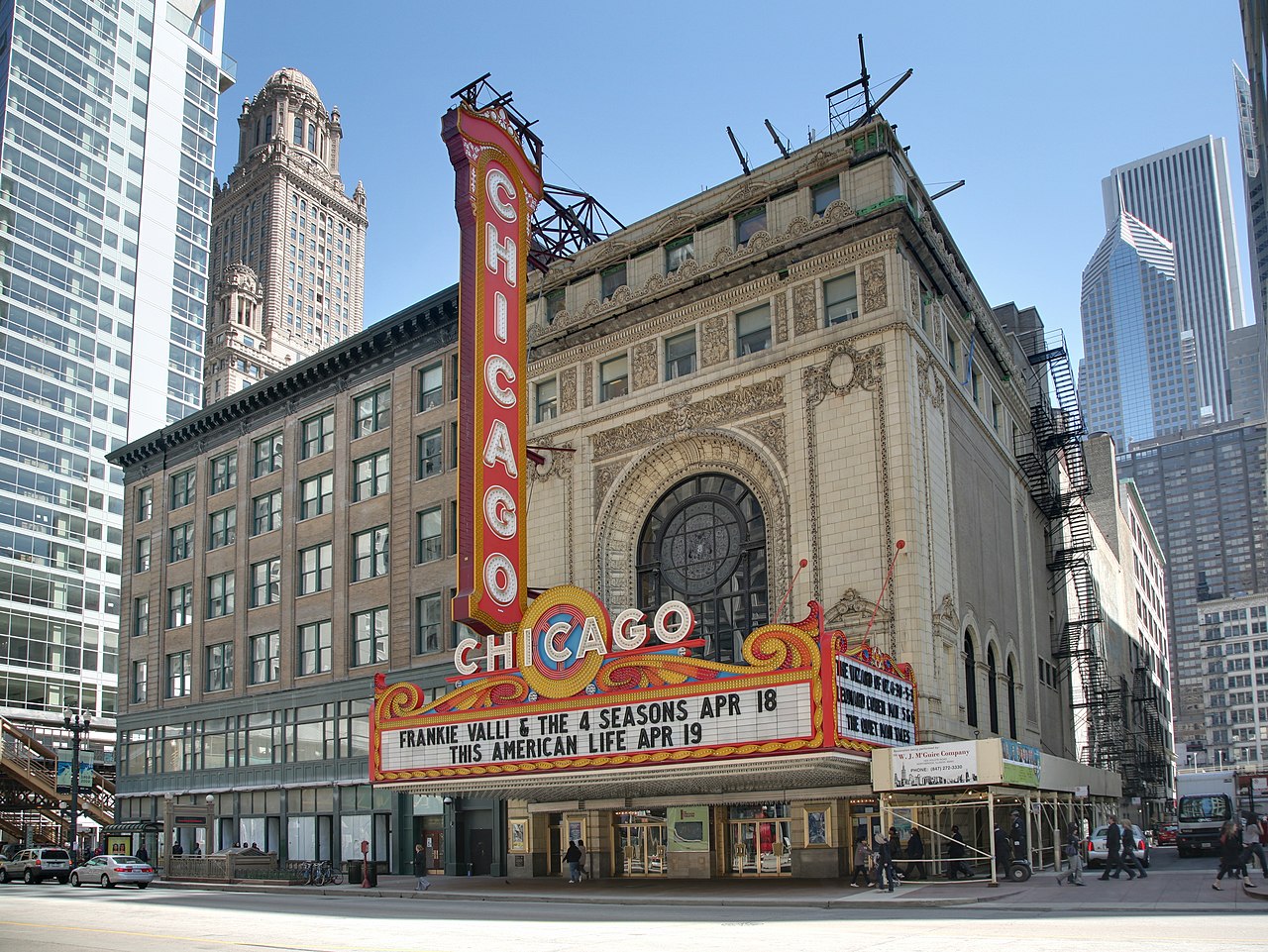
The Loop is Chicago's downtown core and financial district. It is where many visitors spend their first hours — the elevated train lines that circle the area give the neighborhood its name. Major civic buildings, theaters, and the Chicago Riverwalk are all concentrated here.
Millennium Park and Grant Park form the eastern edge of the Loop, fronting the lakefront. The area around Cloud Gate (the polished steel sculpture in Millennium Park) is among the most photographed public spaces in the city.
River North sits just north of the Chicago River and is dense with galleries, restaurants, and hotels. It connects easily to the Magnificent Mile, the stretch of North Michigan Avenue known for its concentration of retail, hotels, and high-rise architecture.
Lincoln Park is a residential neighborhood that shares its name with the large park running along the lakefront. The park itself contains a free zoo, walking paths, and direct beach access.
Wicker Park and Bucktown are adjacent neighborhoods on the northwest side with a well-established independent retail and dining presence. They are commonly visited by travelers looking for something beyond the downtown core.
Pilsen on the Lower West Side is home to one of the city's most documented Mexican American communities, a murals tradition, and the National Museum of Mexican Art.
Hyde Park on the South Side is anchored by the University of Chicago campus and includes the Museum of Science and Industry, one of the largest science museums in the Western Hemisphere.
Things to Do in Chicago
Chicago's mapped attractions, museums, and historic sites number over a thousand, so narrowing a visit requires some intention. The city's lakefront trail — paved and running more than 18 miles — is a practical and popular way to move between attractions while staying oriented.
For a structured look at what the city offers, see the full Best Things To Do in Chicago page, which covers museums, parks, architecture tours, live music venues, and seasonal activities in more depth.
The Art Institute of Chicago, located in Grant Park at the edge of the Loop, holds one of the country's most significant collections of European Impressionist and Post-Impressionist paintings alongside strong holdings in American art, photography, and decorative arts. Check the official site for current hours and admission before your visit.
Architecture is central to Chicago's identity in a way that is substantive rather than promotional. The city's downtown contains a concentrated mix of late-19th-century, mid-century, and contemporary structures, and river architecture boat tours are a commonly used way for visitors to get context on what they are looking at. Several tour operators run departures from the Riverwalk; availability and pricing vary by season.
For a detailed look at the city's most visited sites and monuments, the Top Landmarks in Chicago page covers the specifics.
Two National Park Service sites are located in or near Chicago. Check the National Park Service website for current information on both, as hours and programming can change by season.

Where to Eat in Chicago
Chicago has well over 5,000 mapped restaurants and cafes, which means visitors are rarely more than a few blocks from a meal. The city's food culture is genuinely wide-ranging — deep-dish pizza, Chicago-style hot dogs, steakhouses, and a long list of immigrant-cuisine traditions all have a presence here.
For neighborhood-by-neighborhood guidance, the Where to Eat in Chicago page goes into considerably more detail.
A few names come up repeatedly in any serious account of Chicago's dining scene:
Gino's East, open since 1966, is one of the long-running deep-dish pizzerias that made Chicago-style pizza a nationally recognized category. Multiple locations operate around the city. Check their site for current locations and hours.
Giordano's Pizzeria, in operation since 1974, is another widely documented name in the deep-dish conversation and has a presence across the metro area.
For visitors drawn to higher-end dining, Alinea — open since 2005 and extensively covered in culinary media — is among the most well-known fine dining destinations in the country. Reservations book far in advance; check their official site for availability. Smyth, open since 2016, is another fine dining restaurant that has drawn sustained attention in food media circles. Kasama, a restaurant that has been widely documented for its Filipino-influenced cooking and pastry program, is worth researching if that style of cuisine is of interest.
None of these establishments are ranked against one another here. Dining preferences vary, and a city with thousands of operating restaurants cannot be reduced to a short list. These names are offered as confirmed, currently operating, and well-documented starting points.
Getting Around Chicago
Chicago's public transit system — operated by the Chicago Transit Authority — covers the city with a combination of elevated and subway rail lines (collectively called the "L") and an extensive bus network. For most visitors staying near the lakefront and downtown, the rail system alone handles the majority of trips. Contactless tap-to-pay is accepted on CTA buses and trains; check the CTA's official site for current fare information before you travel.
Rideshare apps operate throughout the city and are widely used for trips that don't align with the rail grid. Taxis are available but less common than in prior years.
Cycling is a practical option for lakefront and near-downtown travel. The city has a bike-share program with docking stations concentrated in higher-density neighborhoods. Again, check the current operator's site for pricing and coverage.
Parking in Chicago
Driving into Chicago and parking is possible, but it adds meaningful complexity and cost to a trip. Street parking in the Loop and Near North neighborhoods is limited and often metered. Privately operated parking garages are available throughout downtown; rates fluctuate based on location, day of week, and time of day. Check current pricing through the garage operator or a parking app before committing.
If you are arriving by car and staying near the lakefront, ask your hotel about on-site or nearby parking before you arrive. Many visitors find it more practical to park at a transit hub on the edge of the city and take the L in.
Visitor Tips
- Weather varies considerably by season. Chicago's winters are genuinely cold, with lake-effect wind making temperatures feel lower than the thermometer reads. Summers can be warm and humid. Spring and fall are generally mild but unpredictable. See the Best Time to Visit Chicago page for a fuller seasonal breakdown.
- Plan for walking. Comfortable shoes matter in a city where attractions are spread across neighborhoods and transit stops may be several blocks from your actual destination.
- Check hours in advance. Major museums and attractions can sell out timed-entry slots, particularly on weekends and holidays. Booking ahead for anything time-sensitive is worth the extra step.
- Use ordinary urban awareness. Chicago is a large city. As in any major metropolitan area, pay attention to your surroundings, keep valuables secured, and check neighborhood-level context for areas you plan to explore off the typical visitor path.
Family Tips
Chicago is a workable destination with children. The Lakefront Trail and the parks along it provide open space for younger visitors, and many of the city's major museums — including the Field Museum, the Shedd Aquarium, and the Museum of Science and Industry — are specifically designed with families in mind. Lincoln Park Zoo has historically offered free general admission — confirm on their official site before visiting — and is well-regarded for its layout and accessibility. Public restrooms in major parks and museums are generally available; in smaller neighborhoods, plan ahead.
Planning Your Time
If you are working out how long to spend or how to structure your days, the Chicago 1-Day Itinerary and Chicago 3-Day Itinerary pages lay out day-by-day frameworks based on how visitors typically move through the city.
Frequently Asked Questions
For answers to common questions — what neighborhood to stay in, how far in advance to book, what to do in bad weather, and more — visit the Chicago FAQ page.
Chicago, IL rewards practical planning. The city is large enough to feel overwhelming on a first visit, but its grid, its transit system, and its concentration of attractions near the lakefront make orientation faster than in many comparable cities. Use the sibling pages in this guide to go deeper on any single topic, and check official sites for anything where pricing or availability matters.