Top Landmarks in Chicago

Chicago's skyline, lakefront, and street grid hold some of the most recognizable sights in the United States. The city's roughly 2.7 million residents share a dense urban core built along the southwestern shore of Lake Michigan, and that geography shapes everything about how its landmarks cluster. The most commonly visited sites sit within a relatively compact stretch running from the Near North Side south through the Loop and out to the Museum Campus peninsula — a layout that makes it genuinely feasible to cover several major landmarks in a single day on foot.
Understanding how these places relate to one another geographically is often more useful than any ranked list. The sections below cover Chicago's well-known landmarks by area, with notes on how to move between them. For a broader orientation to the city, the Chicago Travel Guide: Things to Do, Landmarks, Food, and Itineraries is a solid starting point.
Grant Park and Millennium Park
This pair of adjoining public parks forms the green spine of Chicago's lakefront, running along Michigan Avenue just east of the Loop's high-rise core. Most visitors arrive here first, and many spend the better part of a day without leaving the area.
Cloud Gate
Installed in Millennium Park in 2006, Cloud Gate is a large-scale public sculpture by artist Anish Kapoor. Its polished stainless-steel surface reflects the city skyline and the surrounding park in curved, distorted form — images that shift dramatically depending on where you stand and what time of day it is. The piece sits at the center of the AT&T Plaza and is accessible at street level at no charge. It draws steady crowds through the warmer months; early mornings tend to be noticeably quieter than midday visits.
Jay Pritzker Pavilion
A short walk from Cloud Gate within Millennium Park, the Jay Pritzker Pavilion is an outdoor performance venue designed by architect Frank Gehry. Its distinctive steel ribbons frame the stage, and a trellis-supported speaker system extends over the great lawn. The structure is worth seeing even when no performance is scheduled — it's one of the more striking pieces of public architecture in the park. Check the park's official site for current programming before visiting.
Buckingham Fountain
At the southern edge of Grant Park, Buckingham Fountain is one of the largest decorative fountains in the world. Its baroque-influenced design and central position along the lakefront make it a natural endpoint for a walk down from Millennium Park. The fountain operates on a seasonal schedule, so confirm current operating dates before planning around it. The surrounding Grant Park offers clear sightlines to both the lake and the skyline — a combination that makes it a popular gathering point even when the fountain itself is off.
The Art Institute of Chicago
Sitting directly on South Michigan Avenue at the boundary between Grant Park and the Loop, the Art Institute of Chicago houses one of the more substantial permanent collections in the country. The range is considerable: Impressionist and Post-Impressionist paintings, modern and contemporary works, architectural drawings, ancient objects, and decorative arts. A thorough visit to the permanent galleries takes several hours. Admission fees and hours vary by day and exhibition, so check the museum's official site before your visit. The two bronze lion sculptures flanking the main entrance on Michigan Avenue have become informal landmarks in their own right.
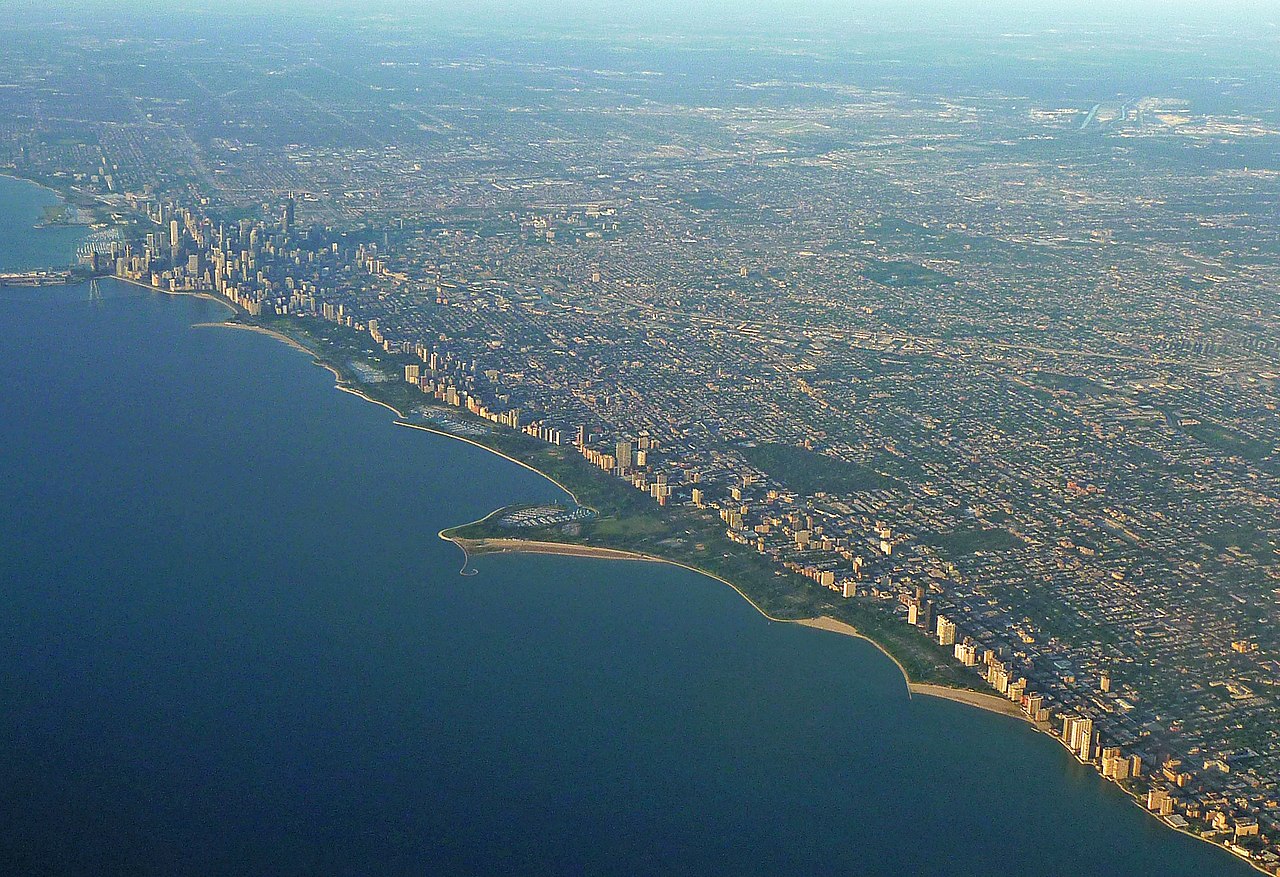
Museum Campus
Jutting into Lake Michigan south of Grant Park, the Museum Campus is a peninsula that places three significant institutions within easy walking distance of one another. The campus is roughly a mile south of Millennium Park and accessible by CTA bus — check the CTA's official site for current routes and fare information.
Field Museum
The Field Museum is a natural history museum with collections spanning paleontology, geology, botany, and cultural anthropology from around the world. The permanent galleries are extensive, and the museum regularly hosts temporary exhibitions in addition to its standing collections. Budgeting a half-day here is reasonable if you plan to explore more than one wing. Check current admission details and featured exhibitions on the museum's official site.
Shedd Aquarium
Directly adjacent to the Field Museum, Shedd Aquarium is one of the larger indoor aquariums in the country. It draws a broad mix of visitors — families, school groups, and general tourists — throughout the year. The aquarium holds both permanent galleries and seasonal programming; current details are available on its official site.
Adler Planetarium
The Adler Planetarium anchors the easternmost tip of the Museum Campus, and the plaza outside the building offers some of the most unobstructed views of the Chicago skyline available from a public vantage point. Visitors who skip the interior often make the short walk out specifically for that perspective across the harbor. The planetarium offers theater programs and exhibitions; check its official site for schedules and admission.
The Loop and the Chicago Riverwalk
The Loop is Chicago's central business district — named for the elevated rail lines that circle its core. It contains some of the city's most significant architectural landmarks, and the elevated tracks themselves, carrying CTA 'L' trains, have become part of the visual character of the neighborhood.
Willis Tower
Willis Tower — formerly known as Sears Tower — was completed in 1973 and held the title of the world's tallest building for a period before being surpassed by later construction elsewhere. It remains one of the most recognized structures in the American Midwest. The Skydeck observation level on the 103rd floor offers sweeping views of the city, and on clear days the sight lines extend into portions of Indiana, Wisconsin, and Michigan. The Ledge, a series of glass-floored balconies that extend out from the building's face, is a popular feature. Ticket prices, hours, and wait times vary significantly by season — check the Skydeck's official site before your visit.
Chicago Cultural Center
A few blocks northeast of Willis Tower along Michigan Avenue, the Chicago Cultural Center occupies an 1897 Beaux-Arts building that originally served as the city's main public library. Its interior features elaborate Tiffany-style art glass domes and ornate tilework. The building hosts rotating exhibitions and public programs, generally at no admission charge. It's one of the more accessible architectural interiors in Chicago — the building itself is the primary draw, and a visit takes anywhere from 30 minutes to a couple of hours depending on current programming.
Chicago Riverwalk
Running along the south bank of the Chicago River through the heart of the Loop, the Chicago Riverwalk is a ground-level pedestrian path connecting a series of outdoor plazas, public art installations, and restaurants. It offers a street-level look at the canyon formed by the surrounding skyscrapers — a view that architecture boat tours, which depart from points along the river, offer from the water. The Riverwalk is publicly accessible and serves as one of the more direct routes for understanding how the Chicago River shaped the city's development and orientation.
Near North Side: Navy Pier, the Magnificent Mile, and the Chicago Water Tower
North of the Chicago River, the Near North Side holds several of Chicago's most recognizable commercial and civic landmarks within a walkable stretch.
Navy Pier
Extending roughly a mile into Lake Michigan, Navy Pier opened in 1916 and has gone through several transformations since. In its current form it holds a Ferris wheel, public gathering spaces, restaurants, indoor attractions, and seasonal events. The lakefront views from the pier — including the downtown skyline to the south and open water to the east — are among the more distinctive perspectives available in the city. Specific admission costs, hours, and event schedules change seasonally; the pier's official site is the right place for current information.
The Magnificent Mile and Chicago Water Tower
Michigan Avenue north of the Chicago River is commonly called the Magnificent Mile, a stretch of commercial towers, hotels, and flagship stores that extends from the river to around Oak Street. Among the glass-and-steel towers stands the Chicago Water Tower, one of the few structures in this corridor to survive the Great Chicago Fire of 1871. The building, constructed from Joliet limestone, now functions as a small gallery and visitor center. It's a brief stop — 15 to 20 minutes is typically enough — but it provides a concrete reference point for understanding the scale of the 1871 fire and what the neighborhood looked like before the city was rebuilt.
North Side: Wrigley Field
Several miles north of the Loop in the Wrigleyville neighborhood, Wrigley Field is one of the oldest Major League Baseball parks still in active use, having opened in 1914. The ballpark's ivy-covered outfield walls, hand-operated scoreboard, and rooftop viewing venues on the surrounding buildings have made it recognizable well beyond baseball audiences. Stadium tours are available on select days — current availability and pricing are listed on the Chicago Cubs' official site. The surrounding neighborhood, dense with bars and restaurants, tends to be lively on game days and draws visitors even outside the baseball season. The Red Line 'L' train connects the Loop to the Addison Street station, which sits directly outside the park.
How the Landmarks Connect
Most of the landmarks described here fall into two main walking zones.
The lakefront corridor runs from Millennium Park south through Grant Park to the Museum Campus. Starting at Cloud Gate, a visitor can walk south past Buckingham Fountain and continue to the Field Museum, Shedd Aquarium, and Adler Planetarium, then return north along the lakefront path. This circuit covers roughly three to four miles without accounting for time inside any building — plan accordingly.
The Loop and Near North corridor connects the Chicago Riverwalk, the Art Institute of Chicago, Willis Tower, the Chicago Cultural Center, and then — across the river — the Magnificent Mile, the Chicago Water Tower, and Navy Pier. Willis Tower sits slightly west of the main Loop pedestrian flow and is worth treating as a deliberate stop rather than an incidental one; current wait times at the Skydeck vary significantly by day and season.
The two zones connect naturally at the Art Institute, which sits at the intersection of Michigan Avenue and Grant Park. A full day that combines both zones involves a fair amount of walking — the Chicago 1-Day Itinerary and the Chicago 3-Day Itinerary offer structured approaches to sequencing these landmarks against realistic travel times.
Getting Around
The CTA 'L' train serves the Loop and Near North Side, with several lines stopping within reasonable walking distance of Millennium Park, the Art Institute, and the Magnificent Mile. CTA buses extend coverage to areas including the Museum Campus and Navy Pier, which are less directly served by the elevated rail. Contactless tap-to-pay works across the CTA system — check the CTA's official site for current fare information and route maps before your trip.
For Wrigley Field on the North Side, the Red Line runs directly to the Addison Street station.
Timing Considerations
Chicago's peak visiting season runs through summer, when outdoor spaces like Millennium Park, the Riverwalk, and Navy Pier see their largest crowds. Spring and fall generally offer smaller crowds and comfortable walking weather, though conditions along the lakefront can change quickly in either season. For a more detailed look at seasonal patterns, the Best Time to Visit Chicago page covers tradeoffs across the year.
Popular indoor attractions — particularly the Art Institute and the Museum Campus institutions — can reach capacity on busy summer weekends. Where advance tickets are available, booking ahead tends to reduce wait times noticeably.
Dining Near the Landmarks
The Loop, Millennium Park area, Riverwalk, and Magnificent Mile all have a high concentration of dining options across a wide range of styles and price points. The Museum Campus has fewer restaurants directly adjacent to the attractions, and many visitors plan meals either before arriving or after returning to the Loop. For a broader overview of Chicago's food scene across neighborhoods, the Where to Eat in Chicago page covers what to expect in different parts of the city.
For common questions about visiting Chicago — including neighborhood logistics, transportation basics, and what to expect across different areas — the Chicago FAQ covers a range of practical topics. And for a wider look at what the city offers beyond its landmark sites, Best Things To Do in Chicago extends into neighborhoods and activities that don't always make the short list.