Best Things To Do in Chicago
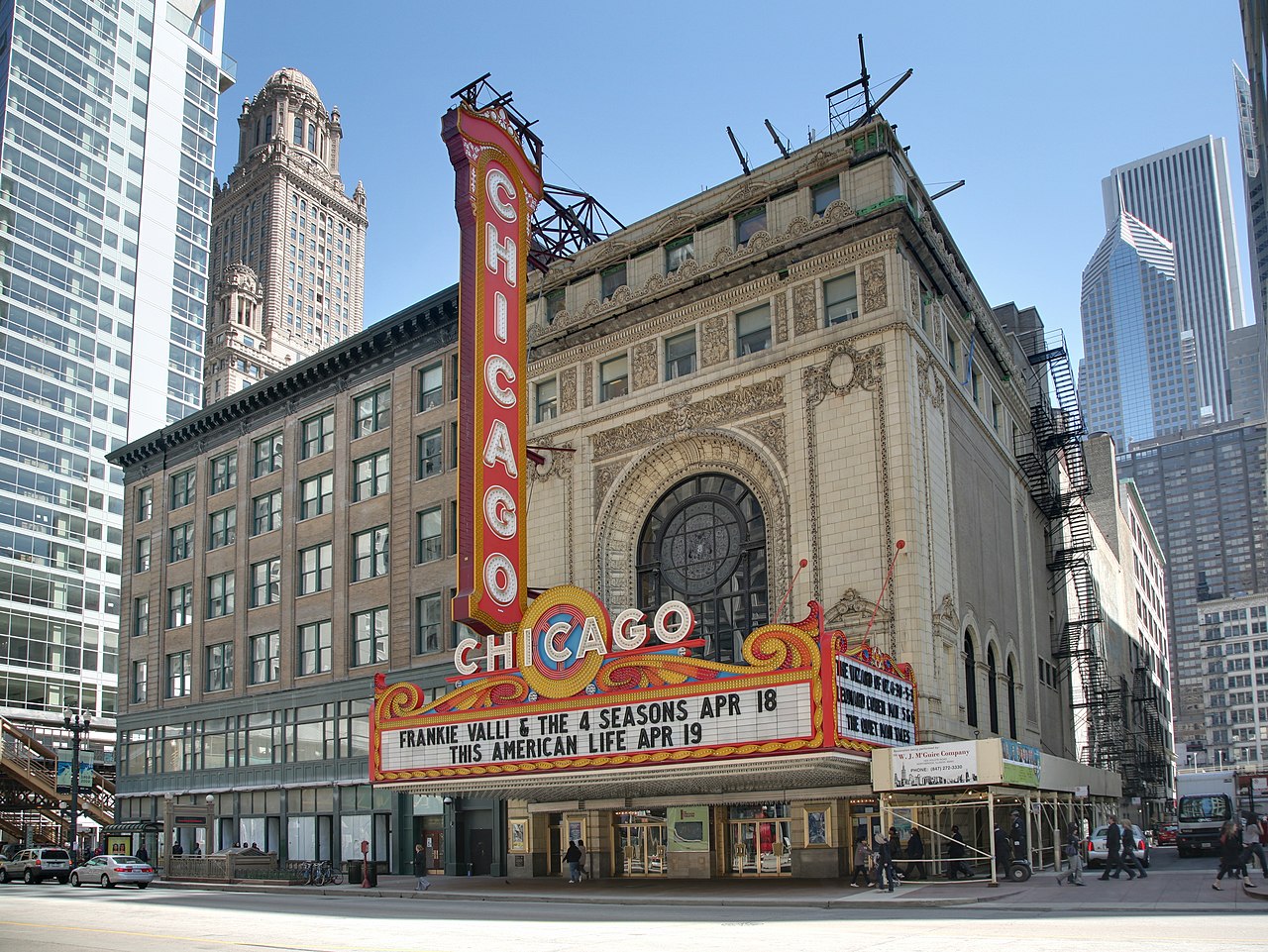
Chicago rewards different kinds of travelers differently. A morning inside one of the city's celebrated museums, an afternoon along the lakefront, and an evening walking through a neighborhood that feels entirely its own — the city is dense enough with things to do that you can fill several days without repeating yourself. Whether you have one day or three, the sections below break Chicago's activity landscape into categories so you can plan around your interests.
Parks and the Outdoors
Millennium Park and Grant Park
Grant Park stretches along the eastern edge of the Loop, running south from Randolph Street toward the Museum Campus. Within it, Millennium Park is one of the most consistently visited green spaces in Chicago and costs nothing to enter. The large reflective sculpture formally titled *Cloud Gate* — most people just call it "the Bean" — sits at its center and draws crowds throughout the day. Crown Fountain and the Lurie Garden are also part of the park's free public art and green space offerings. The outdoor Jay Pritzker Pavilion hosts concerts and events during warmer months; check the Chicago Park District's official site for current programming.
Maggie Daley Park
Directly east of Millennium Park, Maggie Daley Park connects to the Riverwalk via a pedestrian bridge and offers a seasonal skating ribbon, a climbing wall, and a mini-golf course (ticketed separately). The open lawn and walking paths are free to use. It's a practical stop if you're already in the Grant Park corridor.
Lincoln Park
Lincoln Park is both a neighborhood and a long, narrow park running along the North Side lakefront. The Lincoln Park Zoo, which occupies a section of the park, does not charge general admission as of this writing; check the Lincoln Park Zoo's official site to confirm before visiting. The surrounding park has jogging paths, a lagoon, and direct lake access.
The Lakefront Trail
Chicago's Lakefront Trail runs roughly 18 miles along Lake Michigan, passing through multiple neighborhoods and offering water views for nearly the entire distance. It accommodates pedestrians, runners, and cyclists. There's no fee to use it, and access points are spread across the length of the trail. For planning purposes, peak summer weekends bring heavy foot and bike traffic on the more central sections.
The 606
On the Northwest Side, the 606 is an elevated trail built on a former rail corridor that connects Wicker Park, Bucktown, Humboldt Park, and Logan Square. It runs just under three miles and is free to use. The elevated vantage point gives a view of the rooftops and back yards of the neighborhoods below — a different perspective from the lakefront trail.

Museums and Cultural Institutions
Chicago has a substantial concentration of large museums, and they split fairly cleanly between ticketed institutions and those that are free to enter. For a broader overview of the city's major landmarks and institutions, the Top Landmarks in Chicago page covers the most commonly visited sites in more detail.
Ticketed Museums
The Art Institute of Chicago, located on Michigan Avenue at the southern edge of Millennium Park, is one of the most-visited art museums in the country. Its permanent collection spans thousands of years and dozens of cultures, and it holds rotating special exhibitions alongside the permanent galleries. Admission is ticketed for most visitors; the Art Institute's official site has current pricing, hours, and information on any free-admission days.
On the Museum Campus south of Grant Park, three major institutions sit close enough together to visit in a single day: the Field Museum (natural history), the Shedd Aquarium, and the Adler Planetarium. Each charges admission separately, and combination ticket options are sometimes available — worth checking through each venue's official site if you plan to visit more than one. The Museum Campus is walkable from the Loop or reachable by the CTA bus network.
The Museum of Science and Industry in Hyde Park is one of the largest science museums in the Western Hemisphere and includes a working coal mine exhibit and a German U-boat submarine captured during World War II. It's ticketed; check the museum's official site for hours and current pricing.
The DuSable Black History Museum and Education Center in Washington Park documents African American history with particular focus on Chicago's own story. Admission is ticketed.
The Chicago History Museum in Lincoln Park covers the city's past from the Great Chicago Fire onward, with both permanent galleries and rotating exhibitions.
Free-Admission Cultural Sites
The Chicago Cultural Center in the Loop, a former public library known for its stained-glass domed ceilings, hosts exhibitions, performances, and events at no charge as of this writing; check the Chicago Cultural Center's official site for current event listings and any admission changes. It's a practical stop if you're already in the downtown area and a good introduction to the city's civic architecture.
The National Museum of Mexican Art in Pilsen is widely recognized as one of the leading Latino cultural institutions in the United States and does not charge admission as of this writing; confirm on the museum's official site before visiting. It's worth building into any visit to the Pilsen neighborhood.
The Garfield Park Conservatory on the West Side holds one of the largest greenhouse plant collections in the country. General admission is free, though select special exhibitions may carry a fee — check the conservatory's official site for current information.
Waterfronts and Views
The Chicago Riverwalk
The Chicago Riverwalk runs along the south bank of the Chicago River through the Loop, lined with outdoor seating, restaurants, kayak rental operators, and architecture boat tour departure points. Walking the Riverwalk itself is free; vendors and tour operators set their own rates. It's one of the better vantage points for seeing the downtown skyline and the riverfront architecture from close range.
Architecture Boat Tours
Chicago's riverfront architecture is a draw in its own right, and boat tours narrating the buildings along the Chicago River are a popular way to take it in. Several operators run from the Riverwalk and the area near the Michigan Avenue bridge. Schedules and pricing vary by operator and season — check directly with individual tour companies or the Chicago Architecture Center for current options.
Observation Decks
Two high-rise observation experiences draw visitors looking for aerial views of Chicago: the Skydeck at Willis Tower and 360 Chicago at 875 North Michigan Avenue (the Hancock building). Both are ticketed. Willis Tower's Skydeck is known for its glass-floored ledges that extend outside the building. For current hours and ticket information, check each venue's official site before visiting.
Historic Sites and Architecture
Much of what defines Chicago's built environment grew from the rebuilding that followed the Great Chicago Fire of 1871. The Loop's early skyscrapers, the elevated rail system known as the "L," and the lakefront plan were all shaped by that post-fire period. The city has strong architectural significance at the national level.
Pullman National Monument
On Chicago's Far South Side, Pullman National Monument preserves the planned industrial town George Pullman built in the 1880s and the site of the 1894 Pullman Strike, a landmark event in American labor history. The National Park Service administers the site. Check the NPS official site for current visitor center hours, tours, and programming before visiting.
The Chicago Architecture Center
The Chicago Architecture Center on the Riverwalk serves as a hub for the city's architecture programming, offering guided boat tours, walking tours, and an exhibition space. Some programming is ticketed; hours and tour schedules are listed on the center's official site.
Frank Lloyd Wright's Work in Oak Park
A short trip west of Chicago, the village of Oak Park contains a notable concentration of Frank Lloyd Wright-designed buildings, including his home and studio. The Frank Lloyd Wright Trust runs guided tours of the properties — check the trust's official site for scheduling and ticket information.
Neighborhoods to Wander
Walking Chicago's neighborhoods is one of the better ways to understand how the city actually works. Several stand out as particularly good on foot.
Pilsen, on the Near Southwest Side, is known for large-scale murals, art galleries, and the National Museum of Mexican Art. The streets are visually dense and walkable.
Wicker Park and Bucktown, on the Northwest Side, have an active street-level retail and dining scene and sit at the eastern terminus of the 606 trail.
Logan Square, further northwest along Milwaukee Avenue, mixes older Midwest architecture with independent businesses and is well-connected by the Blue Line.
Hyde Park, on the South Side, is anchored by the University of Chicago campus. The neighborhood is compact, walkable, and close to both the Museum of Science and Industry and the DuSable Black History Museum.
Andersonville, on the North Side, is a quieter commercial strip with independent shops and a mix of long-established and newer restaurants that draws a primarily local crowd.
Eating and Drinking in Chicago
Chicago has an enormous range of dining options — the city has thousands of restaurants and cafes spread across its neighborhoods, covering virtually every cuisine type and price range. Deep-dish pizza is strongly associated with Chicago, and so is tavern-style thin-crust pizza, Italian beef sandwiches, and a wide range of international cuisines rooted in the city's diverse neighborhood makeup. For a fuller look at the dining scene, the Where to Eat in Chicago guide covers the city's food options in more detail.
Getting Around Chicago
The city's public transit network is one of the more practical in the Midwest. The "L" — Chicago's elevated and subway rail system — connects the Loop to many neighborhoods covered in this guide, including stops near Millennium Park, Lincoln Park, Wicker Park, Logan Square, and Hyde Park. CTA buses extend coverage further throughout the city. Most fare payment is handled through contactless tap-to-pay; check the Chicago Transit Authority's official site for current fare information, route maps, and service alerts.
For broader trip planning, the Chicago Travel Guide covers logistics and seasonal context. The Best Time to Visit Chicago page addresses weather patterns and how they affect outdoor activities in particular, and the Chicago FAQ answers common questions about getting to and around the city.