New York City 1-Day Itinerary
One day in New York City is not enough to scratch the surface of a city home to more than 8.5 million people, thousands of landmarks, and an extraordinary range of restaurants and cultural institutions. But with a focused route and a willingness to move, a first-time visitor can cover an impressive amount of ground and come away with a genuine feel for how the city works. This itinerary runs from lower Manhattan up through Midtown, using a mix of walking and the subway to keep things efficient without feeling rushed.
Before you go, check out the full New York City Travel Guide: Things to Do, Landmarks, Food, and Itineraries for broader context on neighborhoods and logistics. And if you think you might have more time, the New York City 3-Day Itinerary shows how to expand this route into a deeper visit.
Morning: Lower Manhattan and the Brooklyn Bridge
Plan to start your day early. Lower Manhattan is less crowded before 9 a.m., and the morning light on the East River is worth the early alarm.
Brooklyn Bridge (approximately 1–1.5 hours)
Begin at City Hall Park on the Manhattan side and walk the Brooklyn Bridge pedestrian path toward Brooklyn. The bridge itself — a National Historic Landmark and one of the more recognized spans in the country — offers unobstructed views of the lower Manhattan skyline, the East River, and the harbor. The walk across and back is roughly two miles total. Stay in the pedestrian lane and be aware that cyclists share a portion of the path; keep to the right and watch for signage as you approach the Brooklyn side.
Once you reach the DUMBO neighborhood on the Brooklyn side, the blocks around the base of the bridge are worth a short wander. The view back toward Manhattan framed by the bridge arches from Washington Street is one of the more photographed angles in the city. Grab coffee from one of the cafes in the area before heading back across or catching a subway train back toward Manhattan.
Tip: The subway system connects DUMBO (via the High Street–Brooklyn Bridge station on the A and C lines) directly back into lower Manhattan. Using the contactless tap-to-pay option on your bank card or mobile wallet is the most straightforward way to pay — check the Metropolitan Transportation Authority's official website for current fare information before your trip.
Battery Park and the Harbor (approximately 45 minutes–1 hour)
Back in Manhattan, make your way down to Battery Park at the southern tip of the island. The park offers open views of New York Harbor, with Ellis Island and Liberty Island visible in the distance. The Statue of Liberty — administered by the National Park Service as part of the Statue of Liberty National Monument — sits offshore and is visible from the waterfront even if you don't take the ferry. If a ferry visit is on your list, check the National Park Service website well in advance for reservation and ticket details, as availability can be limited.
The area around Battery Park also puts you near the 9/11 Memorial and Museum. The memorial plaza, centered on the two large reflecting pools set within the footprints of the original towers, is open to the public. The museum has separate admission; check its official site for current hours and pricing.

Midday: Lunch and the Financial District
New York City has well over 14,000 mapped restaurants and cafes, and the density in lower Manhattan means you won't have to walk far to find something. The blocks around Fulton Street, Stone Street, and the World Trade Center area offer a range of options from casual counter-service spots to sit-down restaurants suited for a longer break. For a broader overview of where to eat across the city, see Where to Eat in New York City.
Afternoon: The High Line and Chelsea
After lunch, take the subway uptown — the 1, 2, or 3 trains from Fulton Street or Chambers Street will get you to the West 20s quickly.
The High Line (approximately 1.5–2 hours)
The High Line is an elevated linear park built on a former freight rail line running along the west side of Manhattan from Gansevoort Street in the Meatpacking District north to 34th Street. The park passes through the Chelsea neighborhood and the Hudson Yards development, and the elevated vantage point gives a different perspective on the surrounding streetscape and the Hudson River to the west.
The full length of the High Line is about 1.45 miles, and the entire walk from south to north is manageable at a relaxed pace in under two hours. Along the way, the park incorporates public art installations and plantings that shift with the seasons. There are multiple access points with stairs and elevators at various street crossings, so you can join or exit at whatever point works for your timing.
At the northern end near 34th Street, the Hudson Yards development and The Vessel — the large copper-colored sculptural staircase structure on the plaza — are within easy walking distance.
Chelsea Galleries (optional, approximately 30–45 minutes)
If contemporary art is an interest, the blocks of West 20th through 27th Streets between Tenth and Eleventh Avenues form one of the more concentrated gallery districts in the country. Many galleries have no admission charge and are open to walk-in visitors during regular business hours — verify individual gallery hours before visiting, as schedules vary.
Late Afternoon and Evening: Midtown
Head north toward Midtown for the final stretch of the day. The A, C, E, or 1 trains from the High Line area will get you there in minutes.
The Empire State Building (check official site for hours and admission)
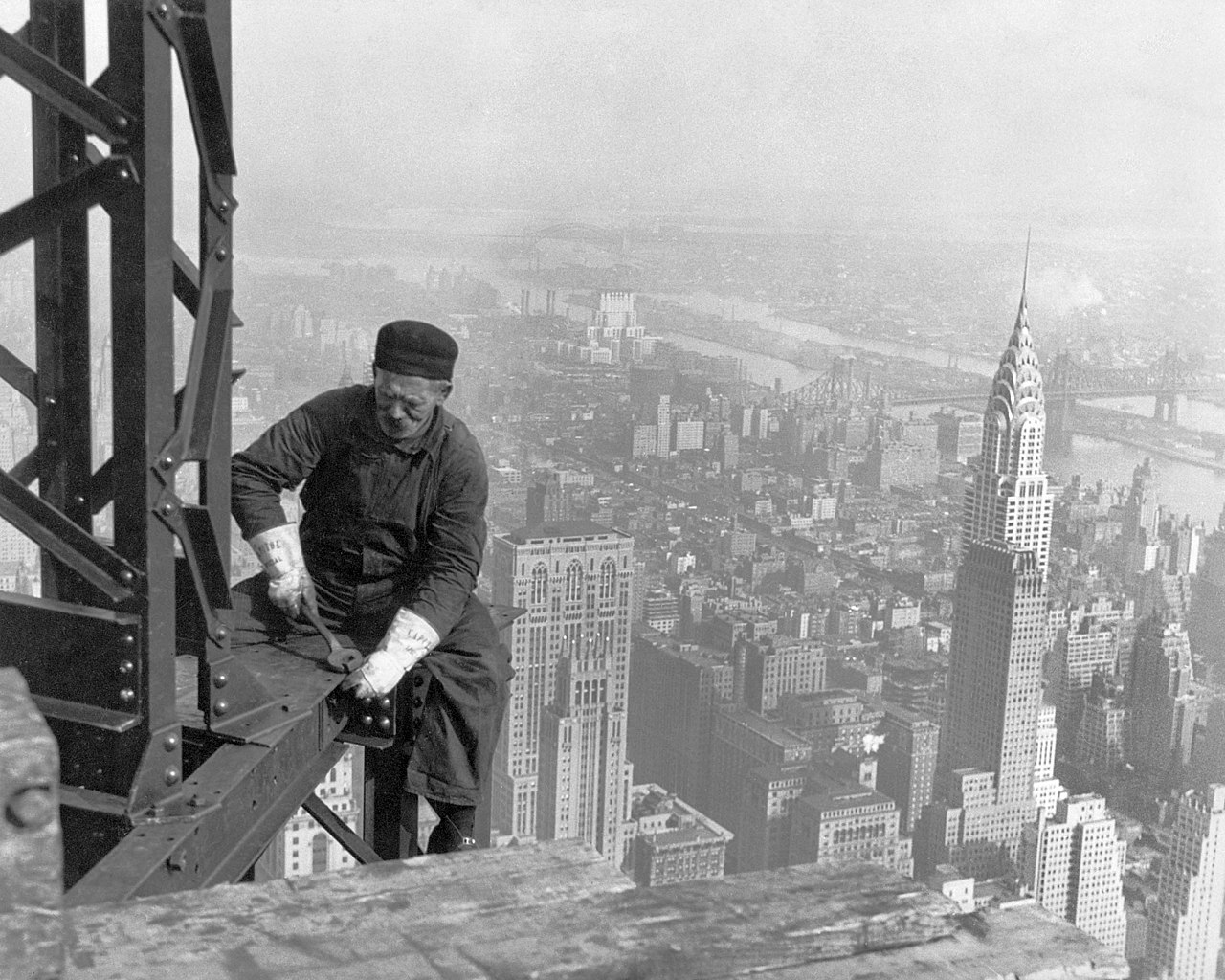
The Empire State Building on 34th Street is one of the more recognized landmarks in New York City and the country. The observation decks on the 86th and 102nd floors offer panoramic views across all five boroughs on a clear day. Lines can be long, particularly in the afternoon; purchasing timed tickets through the official website in advance is worth considering. For more on this and other well-known sites, see Top Landmarks in New York City.
Times Square (approximately 30–45 minutes)
From the Empire State Building, Times Square is a short walk north along Broadway or Seventh Avenue. As a first-time visitor, walking through Times Square at least once is reasonable — the density of signage, foot traffic, and activity is genuinely unlike most other places in the country. That said, it functions primarily as a transit and commercial hub; most of the dining and entertainment options in the immediate area cater heavily to tourist volume. If you want a more relaxed dinner, consider stepping a few blocks east toward the Murray Hill neighborhood or west toward Hell's Kitchen, both of which have substantial restaurant concentrations.
Dinner in Midtown or Hell's Kitchen
Hell's Kitchen, the neighborhood running roughly from 34th to 57th Streets between Eighth and Tenth Avenues, has a long-standing reputation for restaurant density and variety. The area is walkable from Times Square and accessible by multiple subway lines. For more guidance on dining throughout the city, the Where to Eat in New York City page covers the full range of neighborhoods.
Getting Around
New York City's subway system connects all of the stops in this itinerary and runs around the clock. Contactless payment — tapping a bank card, phone, or wearable at the turnstile — is accepted system-wide. Visit the MTA's official website for current fare information and to plan specific routes. For surface travel, the city's bus network supplements the subway, and ride-share services operate throughout the city. Taxis are available at street level, particularly in Midtown.
Walking is practical for shorter distances within neighborhoods. The gap between lower Manhattan and Midtown (roughly four to five miles along the west side) is best covered by subway unless you're planning a longer walking day.
A Note on Urban Awareness
New York City is a large, busy urban environment. The same general awareness that applies in any major American city — watching your belongings on crowded subway platforms, being conscious of traffic at crossings, and staying oriented in unfamiliar neighborhoods — applies here. Most of the areas on this itinerary see heavy visitor and commuter foot traffic throughout the day.
Backup Options
If crowds at major landmarks feel like too much, or if weather cuts the outdoor portions short, the Metropolitan Museum of Art on the Upper East Side (check the official website for admission details and hours) makes for an excellent substitute for an afternoon. It's accessible via the 4, 5, or 6 trains to 86th Street. The museum's collection spans thousands of years and multiple cultures, and the building alone is worth the visit.
For a quieter outdoor alternative, Central Park — accessible from multiple subway lines along its east and west edges — offers an enormous range of paths, lawns, and viewpoints without the concentration of people that the Midtown landmarks attract.
Planning Your Visit
For guidance on the best seasons to visit New York City, see Best Time to Visit New York City. For common questions about logistics, transportation, and what to expect, the New York City FAQ is a useful starting point. And if a single day leaves you wanting more, the Best Things To Do in New York City page covers the broader range of neighborhoods, parks, and cultural sites worth considering on a longer trip.