Portland Travel Guide: Things to Do, Landmarks, Food, and Itineraries

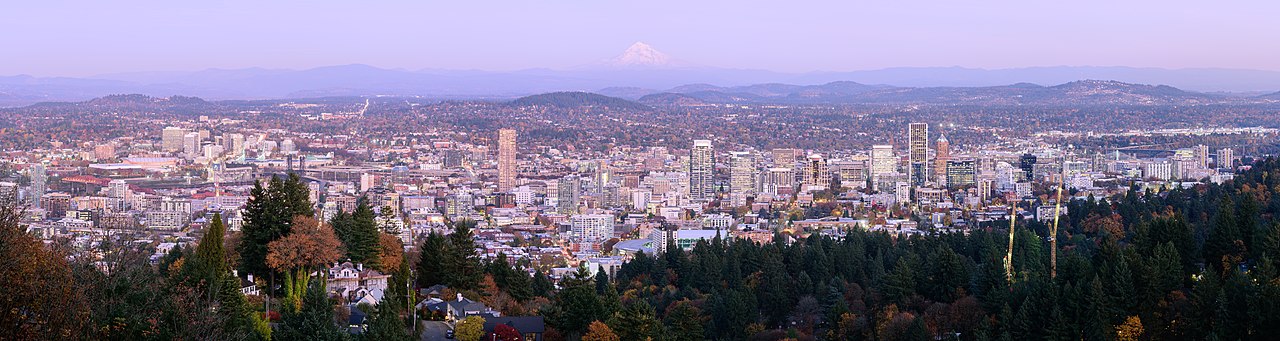
Portland, Oregon sits at the confluence of the Willamette and Columbia rivers, backed by forested hills to the west and the high desert of central Oregon not far to the east. With a population of roughly 642,000 according to U.S. Census Bureau 2024 estimates, it's a mid-sized American city that punches well above its weight in terms of independent culture, outdoor access, and food diversity. Whether you're planning a single afternoon or a full week, Portland rewards visitors who take the time to move between its distinct neighborhoods rather than staying anchored to one spot.
Why Visit Portland
Portland draws visitors for reasons that are hard to collapse into a single category. Outdoor enthusiasts come for Forest Park — one of the largest forested urban parks in the country — and for the easy access to Columbia River Gorge, where multiple waterfalls and hiking trails sit within an hour of downtown. Book lovers make pilgrimages to Powell's City of Books, a multi-story independent bookstore that occupies an entire city block. Foodies come for a restaurant scene built almost entirely on independent operators, with influences ranging from West African to Brazilian to Pacific Northwest seasonal cooking.
The city also has a well-documented arts and music presence, several museums, and a walkable core that makes it possible to cover a lot of ground without a car. That said, Portland is a real American city with real urban dynamics — standard city-awareness habits apply, particularly downtown and in certain late-night situations.
For help planning your visit, start with the Best Time to Visit Portland guide, which covers seasonal weather patterns and what each time of year looks like on the ground.
Portland Neighborhoods Worth Knowing
Portland is a city of distinct neighborhoods, and understanding the general geography helps you plan more efficiently.
Downtown and the Pearl District sit on the west side of the Willamette. Downtown is the commercial and civic core — Pioneer Courthouse Square, the Portland Art Museum, and the central transit hub are all here. The Pearl District, just north of downtown, has a denser concentration of galleries, design-focused shops, and restaurants in converted industrial buildings.
Northwest Portland (NW 23rd and NW 21st) climbs into the West Hills and offers a walkable stretch of independent shops, cafes, and restaurants. It's a popular area for an afternoon stroll.
The Hawthorne and Belmont corridors on the east side are residential neighborhoods with long main streets lined with bookshops, vintage stores, and casual restaurants. These areas tend to draw a mix of longtime Portland residents and visitors looking for a less commercial atmosphere.
Division Street has become one of Portland's more talked-about food corridors, with a dense run of independent restaurants on SE Division between roughly 20th and 50th.
Alberta Arts District runs along NE Alberta Street and is known for a monthly community event called Last Thursday, as well as year-round galleries and murals.
Mississippi Avenue in North Portland is a shorter but lively strip of bars, restaurants, and shops in a neighborhood that has changed considerably over the past two decades.
Sellwood sits in the southeast near the Willamette and is known for antique shops, a neighborhood feel, and access to the Springwater Corridor trail.
Things to Do in Portland
Portland has somewhere in the range of 448 mapped attractions, museums, and historic sites in the area — enough that any short list leaves a great deal out. The Best Things To Do in Portland page goes deeper, but here's a high-level orientation.
Outdoors: Forest Park's Wildwood Trail system offers everything from a 30-minute walk to a multi-day route. Washington Park holds the Portland Japanese Garden and the International Rose Test Garden (open to the public, though check for seasonal closures). The Columbia River Gorge is a short drive east and includes Multnomah Falls, one of the tallest waterfalls in the country. Two National Park Service sites are also accessible in the broader region — check the NPS website for current access information and any timed entry requirements.
Culture and Arts: The Portland Art Museum is the oldest art museum on the West Coast and carries a permanent collection spanning centuries and continents. Portland's independent theater, live music, and gallery scenes are active year-round; the Top Landmarks in Portland page covers the most commonly visited sites in more detail.
Books and Shopping: Powell's City of Books on Burnside is a genuine Portland institution — the kind of place that warrants a couple of hours even if you don't plan to buy anything. The store's layout is deliberately labyrinthine, organized by room and color-coded by section.
Markets: The Portland Saturday Market operates under the Burnside Bridge and features local artisans and food vendors. Check their official site for current schedule and hours.

Where to Eat in Portland
Portland's food scene runs on independent restaurants, and with close to 4,000 mapped restaurants and cafes in the area, the choices are genuinely wide. Rather than trying to rank anything, it's more useful to know that Portland has particular strengths in Pacific Northwest-sourced cooking, Southeast Asian cuisine, a growing West African presence, and a long tradition of internationally influenced menus.
A few well-documented spots worth knowing by name:
Gado Gado, documented on Wikipedia, is a widely noted Indonesian restaurant that helped put Portland's Southeast Asian dining on a broader national radar. Akadi, open since 2017 and documented on Wikipedia, focuses on West African cooking and has earned consistent attention in food media. Jade Rabbit, also open since 2017 and documented on Wikipedia, offers a creative cocktail-forward menu. Favela Brazilian Cafe and Oma's Hideaway are both documented Portland operations with their own followings.
These are starting points, not a complete picture. For a fuller look at the city's dining landscape by neighborhood and cuisine type, visit Where to Eat in Portland. Hours and reservation policies change, so check each restaurant's official site before you go.
Getting Around Portland
Portland's public transit system — TriMet — covers the city with a combination of MAX light rail lines, buses, and the Portland Streetcar. The MAX connects the airport directly to downtown and extends into Gresham to the east, Hillsboro to the west, and several other corridors. Contactless tap-to-pay is accepted on TriMet; check the TriMet website for current fares and the most up-to-date service information before your trip.
For cycling, Portland has an extensive network of marked bike lanes and neighborhood greenways, and several bikeshare options operate in the city. Many visitors find it easy to combine transit for longer distances with walking or cycling in individual neighborhoods.
If you're driving, the core of the city is manageable, but rush-hour congestion on I-5 and the Burnside Bridge can be significant. Rideshare services are widely available.
Parking in Portland
Street parking in downtown Portland is metered, and rates and enforcement hours have changed over time — check Portland Bureau of Transportation's official resources for current information rather than relying on stated figures. Several parking garages operate downtown, and rates vary by location and time of day. In neighborhood commercial strips like Hawthorne or Alberta, street parking is more available but can fill during peak evening hours.
Visitor Tips
- Portland's weather is famously variable. Summers are generally dry and mild, but spring and fall bring regular rain. A packable layer and a waterproof outer shell are useful year-round.
- The city is walkable in many areas, but the hills in Northwest Portland and the distances between east-side neighborhoods can add up. Comfortable shoes make a meaningful difference.
- Many Portland attractions, including some parks and gardens, recommend or require timed entry during peak periods. Check official sites before arriving.
- Portland has a strong neighborhood identity culture — locals tend to be more knowledgeable about their own area than about the city as a whole. Asking someone in Sellwood for a neighborhood restaurant recommendation often yields better results than a generic search.
Tips for Families
Portland has a reasonable amount to offer families with children. OMSI (Oregon Museum of Science and Industry), on the east bank of the Willamette, is a hands-on science museum. Washington Park is accessible by MAX and contains multiple attractions within walking distance of each other, including the Oregon Zoo. Forest Park's lower trails are manageable for older children. Check official sites for current hours, admission policies, and any timed entry requirements before visiting with a group.
Planning Your Time
How you structure your visit depends heavily on your interests. The Portland 1-Day Itinerary is a practical starting point if you're passing through or have limited time — it prioritizes a walkable loop through the most commonly visited areas. The Portland 3-Day Itinerary builds in more neighborhood exploration, a day trip option, and time for the kinds of slow wandering that the city tends to reward.
Portland FAQ
Common questions about visiting Portland — including whether it's easy to get around without a car, what the airport situation looks like, and what to know about the city's street culture — are covered in more depth on the Portland FAQ page.