Best Time to Visit Portland
Portland sits in the Willamette Valley, sheltered from the Pacific by the Coast Range and backed by the Cascades to the east. That geography gives the city a mild, temperate climate with a distinct personality in each season — long, relatively dry summers that feel almost Mediterranean, and cool, grey winters that locals have largely made their peace with. Whenever you arrive, Portland rewards the curious traveler, though some times of year suit certain travel styles better than others.
Summer: June Through August
Summer is Portland's most reliably pleasant stretch. Rainfall becomes infrequent, days stretch long into the evening, and the city leans fully into outdoor life. Parks fill with activity, the waterfront along the Willamette sees consistent foot and bike traffic, and the city's many neighborhood farmers markets hit their seasonal peak.
This is also Portland's busiest tourist season. Accommodation rates tend to run higher, and popular spots in areas like the Pearl District, the Central Eastside, and the waterfront draw larger crowds on weekends. If your trip falls during this window, booking lodging well in advance — especially for weekend stays — is a straightforward way to reduce stress.
The outdoor appeal is a genuine draw. With roughly 448 mapped attractions, museums, and historic sites in and around the area, there's no shortage of ways to spend a warm afternoon. Washington Park, home to well-known gardens and a zoo, and the extensive trail network of Forest Park are especially accessible this time of year. For a broader overview of what Portland has to offer, the Best Things To Do in Portland page is a good starting point, and Top Landmarks in Portland covers the specific sites worth putting on your list.
Summer also brings a steady outdoor events calendar — street fairs, neighborhood festivals, food markets, and community gatherings run through June, July, and August. Specific event dates and lineups shift from year to year, so checking a local events calendar closer to your travel dates is the most reliable approach.
Fall: September Through November
September and early October often bring some of Portland's most comfortable conditions — the summer crowds have started to thin, but the persistent damp of late fall hasn't fully arrived. This shoulder window is worth considering if you want a less hectic version of the outdoor summer experience without paying peak-season prices.
By mid-to-late October, rainfall increases and temperatures drop noticeably. That said, Portland doesn't slow down. The city's café culture, dense concentration of independent bookstores, and reputation for diverse dining — with close to 4,000 mapped restaurants and cafes in the broader metro area — make it a place that works well in any weather. For an overview of the dining scene, see Where to Eat in Portland.
Fall foliage arrives in earnest in October and carries into November, particularly along tree-lined residential streets and throughout the parks. It's a quieter, more local-feeling version of Portland — and for many visitors, that's precisely the point.
Winter: December Through February
Winter in Portland is grey and wet more often than not. Snow is uncommon in the city proper, though the surrounding mountains receive significant snowfall — a consideration if you're combining a Portland visit with a trip to Mount Hood or the wider Cascade range.
Visitor numbers drop substantially in winter, which typically translates to lower accommodation rates and a quieter experience at commonly visited landmarks. The city's indoor offerings — independent cinemas, live music venues, covered markets, coffee shops, and cultural institutions — keep things lively year-round. The Portland Art Museum and other institutions have their own posted hours and seasonal schedules; it's worth checking official sites before you go rather than relying on any fixed information.
Winter also offers something less tangible: a chance to see Portland as it actually operates day to day. Unhurried, indoors-forward, and oriented around community spaces, the city in winter has a low-key appeal that can be easy to miss during busier months. Travelers working with a tighter budget or looking for a quieter trip often find winter well worth considering.
Spring: March Through May
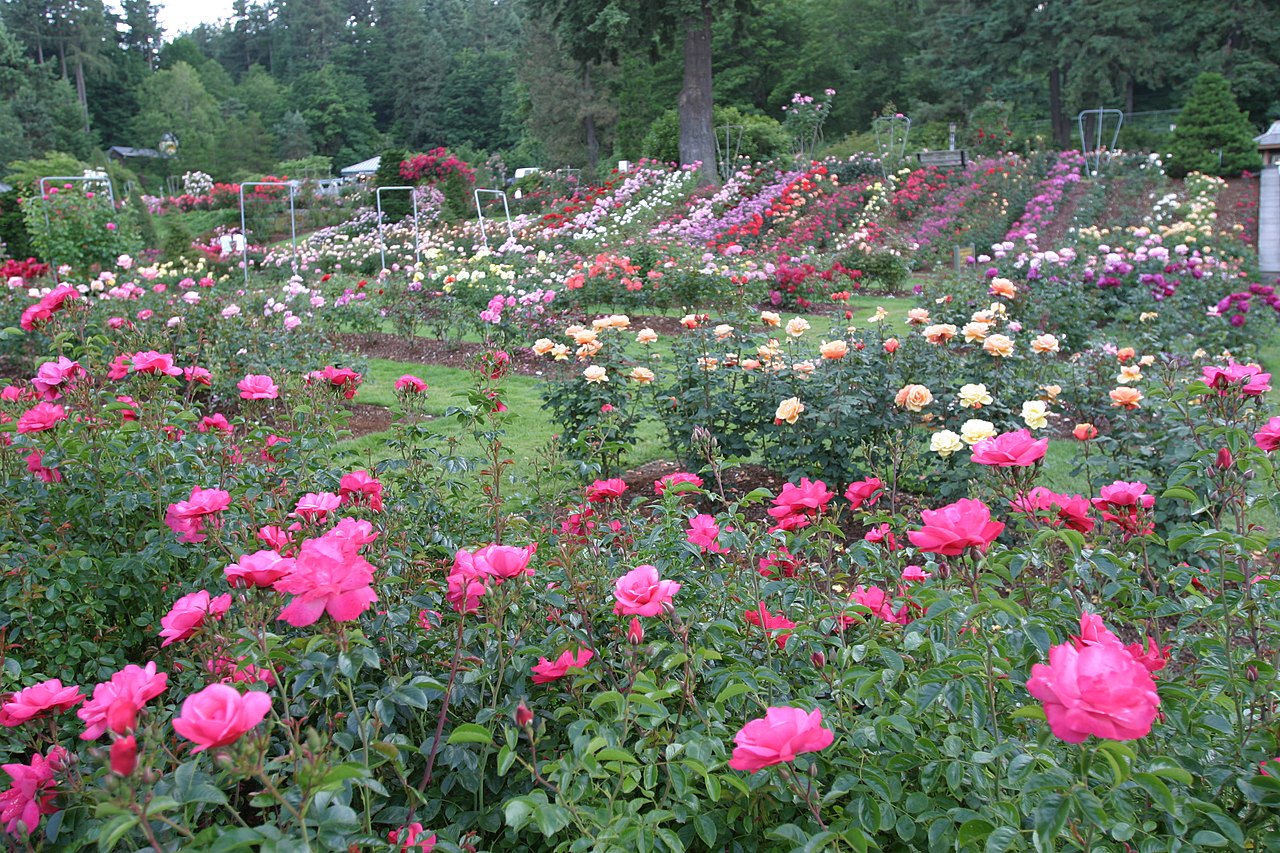
Spring brings a gradual return of warmth and, eventually, dry days — but the transition is uneven. March tends to be rainy and cool; April mixes sun and showers; May tips toward consistently pleasant weather. The city's roses, which give Portland one of its well-known nicknames, begin blooming in earnest in late spring, and the gardens at Washington Park draw significant attention during this period.
Cherry blossoms appear earlier in the season and draw their own admiring crowds before the main rose season begins. Spring is a generally solid shoulder-season option: lighter crowds than summer, a landscape made green by winter rains, and a city that visibly picks up energy as outdoor life restarts.
If you're planning a longer stay timed to the shoulder season, the Portland 3-Day Itinerary covers a good cross-section of the city across multiple neighborhoods. For a tighter visit, the Portland 1-Day Itinerary offers a focused route through the highlights.
Shoulder Season at a Glance
The clearest shoulder-season windows fall in late September through mid-October and mid-May through early June. These periods tend to offer lighter crowds, more moderate accommodation pricing, and weather that works for most outdoor activities without the intensity of peak-season demand. If you have flexibility in your travel dates, these windows are worth prioritizing.
Events and Festivals: General Context
Portland hosts a steady stream of neighborhood events, outdoor markets, food and drink gatherings, and arts programming across all four seasons. The city's event calendar is genuinely active year-round, not just in summer. Because dates, lineups, and admission policies change annually, the most reliable approach is to check Portland's official travel and events resources in the weeks leading up to your trip. If your stay overlaps with a major festival weekend, booking accommodations early becomes especially important — event weekends in popular neighborhoods can push availability tight.
Getting Around Portland
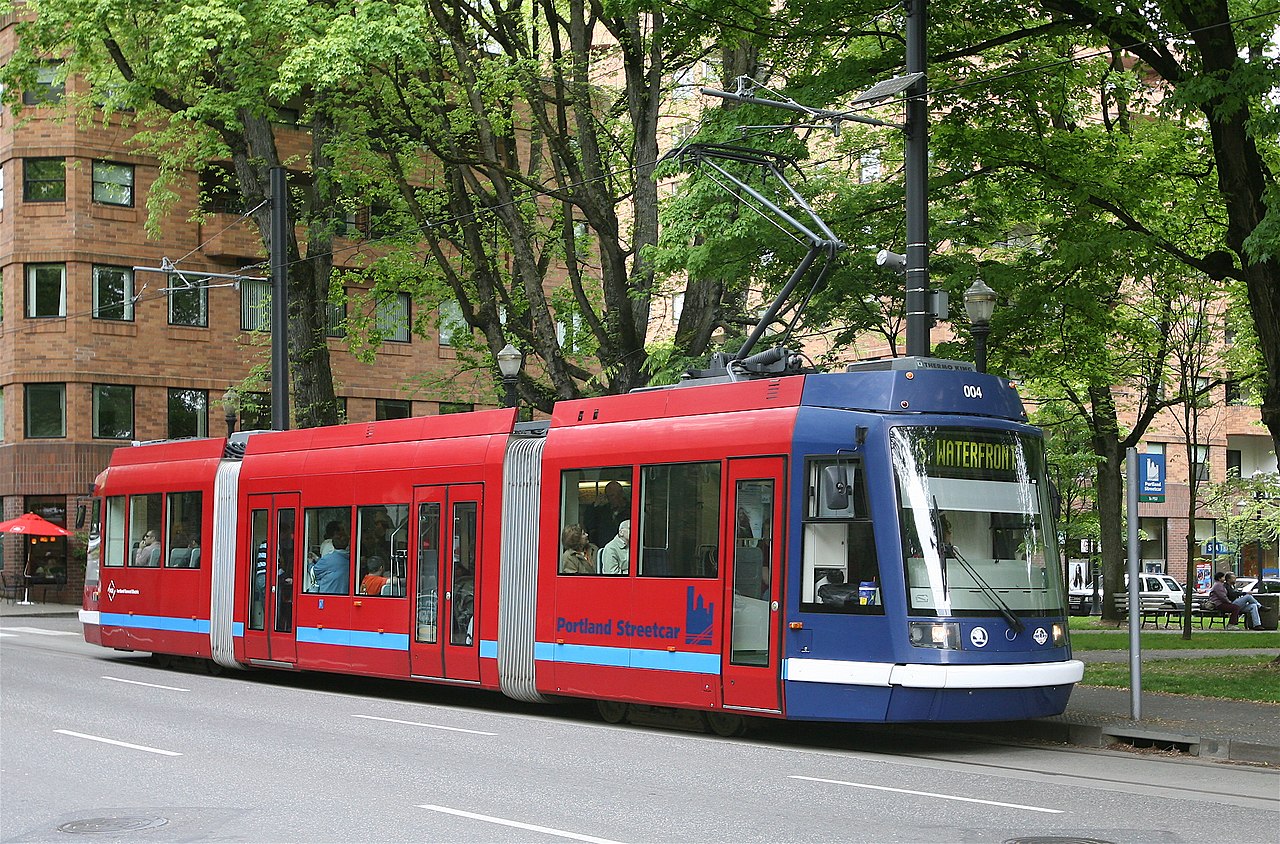
Portland is served by a light rail system (the MAX), an extensive bus network, and a streetcar line connecting several central neighborhoods. Many visitors find that a combination of transit and walking covers most of what they want to see. Contactless tap-to-pay is available on the transit network; check TriMet's official site for current fares, pass options, and route information before you go, as these details are subject to change.
For visitors renting bikes or using ride-share apps, the city's relatively flat central core and grid street layout make navigation manageable. Street parking and garage availability vary considerably by neighborhood and time of day — check current rates and policies locally rather than assuming fixed pricing.
Planning Your Trip
No single season is the right choice for every visitor. Summer delivers the easiest outdoor experience with the longest days; fall and spring offer a more relaxed pace with workable weather and smaller crowds; winter suits travelers who prefer lower prices and don't mind the grey. Portland is a city that functions well across all of them.
For a fuller picture of what to see and do regardless of when you visit, the Portland Travel Guide: Things to Do, Landmarks, Food, and Itineraries is a good place to start. If you have questions about practical logistics — transit, neighborhoods, safety awareness, or planning basics — the Portland FAQ covers a range of common topics.