Portland FAQ
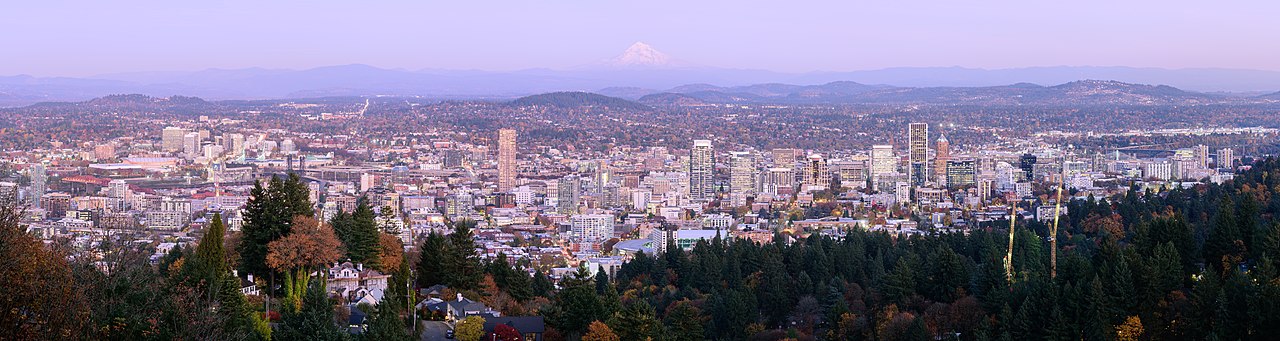
Planning a trip to Portland, OR often starts with a handful of practical questions: how to get around, whether a car is necessary, what things generally cost, and when to visit. This FAQ covers those basics. For destination-specific planning, see the Portland Travel Guide: Things to Do, Landmarks, Food, and Itineraries.
Do I need a car to get around Portland?
Not necessarily, especially if you're staying in or near the central city. Portland has a network of light rail, streetcar, and bus service, along with a fairly bike-friendly street grid and dedicated bike lanes in many neighborhoods. Many of the attractions covered in Best Things To Do in Portland and Top Landmarks in Portland are reachable without driving. A car becomes more useful if you plan day trips outside the city, such as to the Columbia River Gorge or the coast, since those areas have limited transit service. Check current route maps and service details on the regional transit agency's official site before you go.

How does public transit work, and how do I pay?
The system includes light rail, a streetcar line, and bus routes connecting downtown with surrounding neighborhoods. Most riders use a contactless tap-to-pay option, either a transit card or a contactless bank card or mobile wallet, at fare readers on board or at station platforms. Because fare structures, passes, and payment options can change, confirm current details on the transit agency's website rather than relying on older information.
What are typical costs like?
Portland's median household income and rental costs are broadly in line with other mid-size West Coast metro areas, and visitor costs generally follow that pattern for lodging, dining, and transportation. Costs vary a lot by neighborhood and season, so it's worth comparing lodging and dining options across a range of price points rather than assuming one standard budget. For restaurant fees, transit fares, museum admission, and similar line items, always confirm current pricing directly with the business or official source, since these details change over time and are not covered here.
Is Portland safe for tourists?
As in most U.S. cities, ordinary urban awareness is a reasonable approach: keep an eye on belongings in crowded areas and on transit, research neighborhoods before booking lodging, and take normal precautions when walking at night, particularly downtown and around transit stations. Conditions can vary block by block and change over time, so it's worth checking recent local news or visitor resources closer to your travel dates for any specific advisories.
What's the best way to get from the airport into the city?
Portland International Airport (PDX) connects to downtown by light rail, which is often a convenient option if your lodging is near a station and you're traveling light. Taxis, rideshare services, and rental cars are also available at the airport for travelers who prefer door-to-door service or plan to explore beyond the central city. Compare travel time and convenience for your specific itinerary, and check the airport's official transportation page for current details on pickup locations and service options.
Where should I look for lodging?
Downtown and the Pearl District put you within walking distance of many landmarks and museums and close to transit lines, which suits visitors without a car. Neighborhoods like the Alberta Arts District, Hawthorne, and areas across the Willamette River on the east side tend to have a more residential, neighborhood feel with their own dining and shopping, and can work well if you don't mind a short commute into the core. Reviewing a map alongside your planned itinerary, including the routes in the Portland 1-Day Itinerary or Portland 3-Day Itinerary, can help narrow down a home base.
When is the best time to visit?
Portland has a reputation for rain in the cooler months, and summer tends to bring drier, milder weather that many visitors find comfortable for walking and outdoor sightseeing. Shoulder seasons can mean smaller crowds at popular sites. For a fuller breakdown of seasonal considerations, see Best Time to Visit Portland.
Is Portland a good destination with kids?
Many of the city's parks, museums, and outdoor spaces are approachable for families, and the compact, walkable core makes it easier to manage a day's itinerary without long drives between stops. As with any city trip, it's worth checking specific attractions in advance for age-appropriateness and accessibility, since offerings vary by venue.
Where can I find where-to-eat guidance?
Portland has a large number of restaurants and cafes spread across its neighborhoods, covering a wide range of cuisines and price points. Rather than a single go-to spot, most visitors sample a few different areas over the course of a trip. See Where to Eat in Portland for a broader overview of where to look.
Are there national park sites near Portland?
The National Park Service maintains a small number of sites in the vicinity of the city, including Fort Vancouver National Historic Site just across the Columbia River. As with any attraction, confirm current hours, fees, and access details directly on the National Park Service's official site before visiting.
Do I need to plan an itinerary in advance?
It helps, especially for a short trip, since Portland's attractions are spread across several neighborhoods rather than clustered in one compact center. Starting from a structured plan, such as the Portland 1-Day Itinerary or the longer Portland 3-Day Itinerary, can help you group nearby sights together and reduce backtracking.
What else should I know before I go?
Beyond the basics above, it's worth browsing the full Portland Travel Guide: Things to Do, Landmarks, Food, and Itineraries for neighborhood context and trip-planning tips, and checking official sources for anything time-sensitive, including transit fares, museum hours, and event schedules, since those details are best confirmed close to your travel dates.