Best Things To Do in Portland
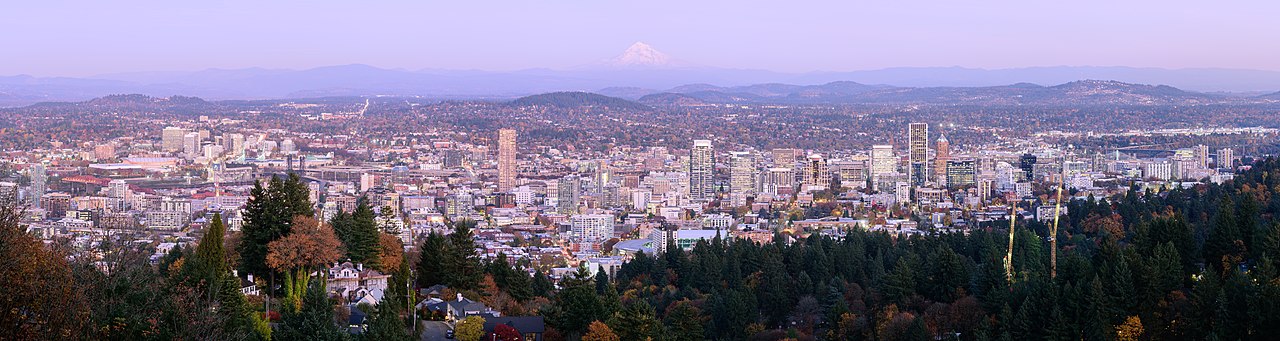
Portland, OR sits at the meeting point of the Willamette and Columbia rivers, with the Cascade Range to the east and the Coast Range to the west. That geography isn't merely scenic backdrop — it directly shapes what visitors can do here. Green space presses close to the urban core, the river defines the city's physical spine, and outdoor access is folded into everyday life. At a population of roughly 642,000, Portland is large enough to sustain a serious cultural scene while compact enough to cover significant ground without a car.
For a full overview before you plan, the Portland Travel Guide: Things to Do, Landmarks, Food, and Itineraries is a good starting point.
Parks and Outdoor Spaces
Forest Park is one of the largest urban forests in the country — more than 5,000 acres of Douglas fir and cedar running along the northwest hills. Hikers, trail runners, and mountain bikers use it heavily year-round. The Wildwood Trail extends over 30 miles and connects to other parks and green corridors throughout the city. Trailheads off NW Thurman Street are among the most accessible from the central neighborhoods.
Washington Park sits adjacent to Forest Park and concentrates several popular attractions in one area. The International Rose Test Garden has operated for more than a century and holds thousands of rose varieties, making it one of the oldest operating rose test gardens in the country. It is free to enter at time of writing — confirm on Portland Parks & Recreation's official site before your visit. The Portland Japanese Garden, a ticketed attraction occupying a hillside above the rose garden, is consistently among the city's most visited cultural sites — check the official site for current hours and admission details. The Oregon Zoo is also within Washington Park and requires separate admission; visit the zoo's website for current pricing and programming. A small internal shuttle connects these attractions, and the MAX light rail stops directly at the park, making it easy to reach without driving.
Hoyt Arboretum, also within Washington Park, offers a quieter alternative. Free to explore at time of writing — confirm access terms on the Hoyt Arboretum's official site before visiting — it contains thousands of labeled specimens from around the world spread across a trail network — a good option if you want the green space without a crowd.

Museums and Cultural Institutions
The Portland Art Museum, located along the South Park Blocks downtown, holds a substantial permanent collection spanning Pacific Northwest and Indigenous art, European paintings, and contemporary work. Rotating exhibitions run throughout the year. Admission is ticketed; current hours and pricing are listed on the museum's website.
The Oregon Museum of Science and Industry (OMSI), on the east bank of the Willamette River, draws families and groups with hands-on science exhibits, an IMAX theater, and a decommissioned submarine that visitors can tour. Check the OMSI website for current admission and scheduling before you go.
The Oregon Historical Society, located on the South Park Blocks near the art museum, maintains collections and rotating exhibitions focused on Oregon and Pacific Northwest history. Its location makes it a practical pairing with the art museum on the same afternoon.
Lan Su Chinese Garden in Old Town is a walled classical garden built with materials and craftspeople from Suzhou, China. Compact, detailed, and entirely enclosed from the surrounding streets, it is a ticketed attraction. Check the garden's official site for hours and admission.
Waterfront and Views
Tom McCall Waterfront Park runs along the west bank of the Willamette for roughly two miles through downtown Portland. Free to use and heavily trafficked by walkers and cyclists, it offers direct views of the river and the bridges. Seasonal farmers markets and public events take place here throughout the year.
On the opposite shore, the Eastbank Esplanade completes a loop with the waterfront park. Connected by the Hawthorne and Steel bridges, the esplanade includes a floating walkway section built over the river — worth the walk when weather permits.
For elevated city views, the west hills offer several vantage points. Council Crest Park, reachable by car or on foot from several neighborhoods, sits at the highest point within Portland's city limits and provides a wide panorama of the Cascades, the city grid, and the rivers on clear days.
Historic Sites and Landmarks
Pioneer Courthouse, in the heart of downtown, is the oldest federal building still in use in the Pacific Northwest. The surrounding Pioneer Courthouse Square functions as a common gathering point and is one of the most frequently visited public spaces in the city.
Fort Vancouver National Historic Site, just across the Columbia River in Vancouver, Washington, is among the National Park Service units nearest to Portland. It preserves a reconstructed fur trade post that served as the commercial and social center of the Pacific Northwest in the early nineteenth century. Grounds access is free; check nps.gov for current program schedules, building hours, and ranger-led tours.
Portland's bridges are themselves worth attention as historic infrastructure. The Hawthorne Bridge, in continuous use since 1910, is among the oldest vertical-lift bridges in the country still carrying daily traffic. Walking or cycling across it is free and gives a close-up view of the bridge's mechanics along with a ground-level perspective on the river.
For a more complete treatment, the Top Landmarks in Portland page covers the city's notable sites in depth.
Neighborhoods Worth Exploring on Foot
The Pearl District, developed from industrial warehouses beginning in the 1990s, now holds galleries, design shops, and Powell's City of Books — an independent bookstore that occupies an entire city block across multiple floors. Free to browse, it is one of the more distinctive commercial spaces in the Pacific Northwest regardless of whether you intend to buy anything.
Mississippi Avenue in North Portland has a walkable concentration of locally owned shops, bars, and restaurants along several blocks. The Alberta Arts District in Northeast Portland covers similar ground — murals, small galleries, and a dense run of independent businesses that rewards an unhurried afternoon.
Hawthorne Boulevard on the southeast side is lined with bookshops, vintage clothing stores, and cafes. Division Street, a few blocks south, has become a destination for food and drink, drawing diners from across the city to a compact stretch of restaurants.
For a practical rundown of where to eat across these areas, see Where to Eat in Portland.
Getting Around Portland
Portland's TriMet system covers an extensive bus network, MAX light rail, and the Portland Streetcar. MAX connects Portland International Airport directly to downtown and also reaches Washington Park, the Lloyd District, and the Oregon Convention Center. Fares are paid by contactless tap-to-pay or through the TriMet app — check the TriMet website for current fare information before you travel. Cycling infrastructure is well developed, and bike-share stations are distributed across the central city for shorter trips.
Ordinary urban awareness applies here as in any city of this size: stay alert to your surroundings, particularly in the Old Town area and parts of downtown late at night.
Planning Your Visit
For structured approaches to the city, the Portland 1-Day Itinerary sequences the main draws efficiently for a short trip, while the Portland 3-Day Itinerary expands into neighborhoods and day-trip options toward the Columbia River Gorge and Mount Hood. Portland's rainfall patterns make timing matter more here than in some cities — the Best Time to Visit Portland page covers seasonal conditions in detail. Common visitor questions are answered on the Portland FAQ.