Annapolis Travel Guide: Things to Do, Landmarks, Food, and Itineraries

Annapolis, Maryland sits at the mouth of the Severn River where it meets the Chesapeake Bay, roughly 30 miles east of Washington, D.C. and 25 miles south of Baltimore. It serves as the state capital of Maryland, the home of the United States Naval Academy, and one of the most intact colonial-era downtowns on the East Coast. With a population of just over 40,000, Annapolis punches well above its size in terms of what there is to see and do. The compact historic core is walkable, the waterfront is central to everyday life, and the surrounding region connects to numerous parks and natural areas.
Whether you have a single afternoon or a long weekend, Annapolis rewards deliberate, slow exploration. The streets here are old — some of the brick sidewalks and building facades date to the 1700s — and the pace tends to follow suit.
Getting Your Bearings: Neighborhoods and Areas
Historic District / Downtown This is the core of any visit. The Maryland State House anchors the top of the hill, and streets radiate downward toward the water. Church Circle and State Circle form the two main hubs, connected by Maryland Avenue and other short blocks lined with 18th-century architecture. Most of the commonly visited landmarks, galleries, and boutique shops are concentrated here.
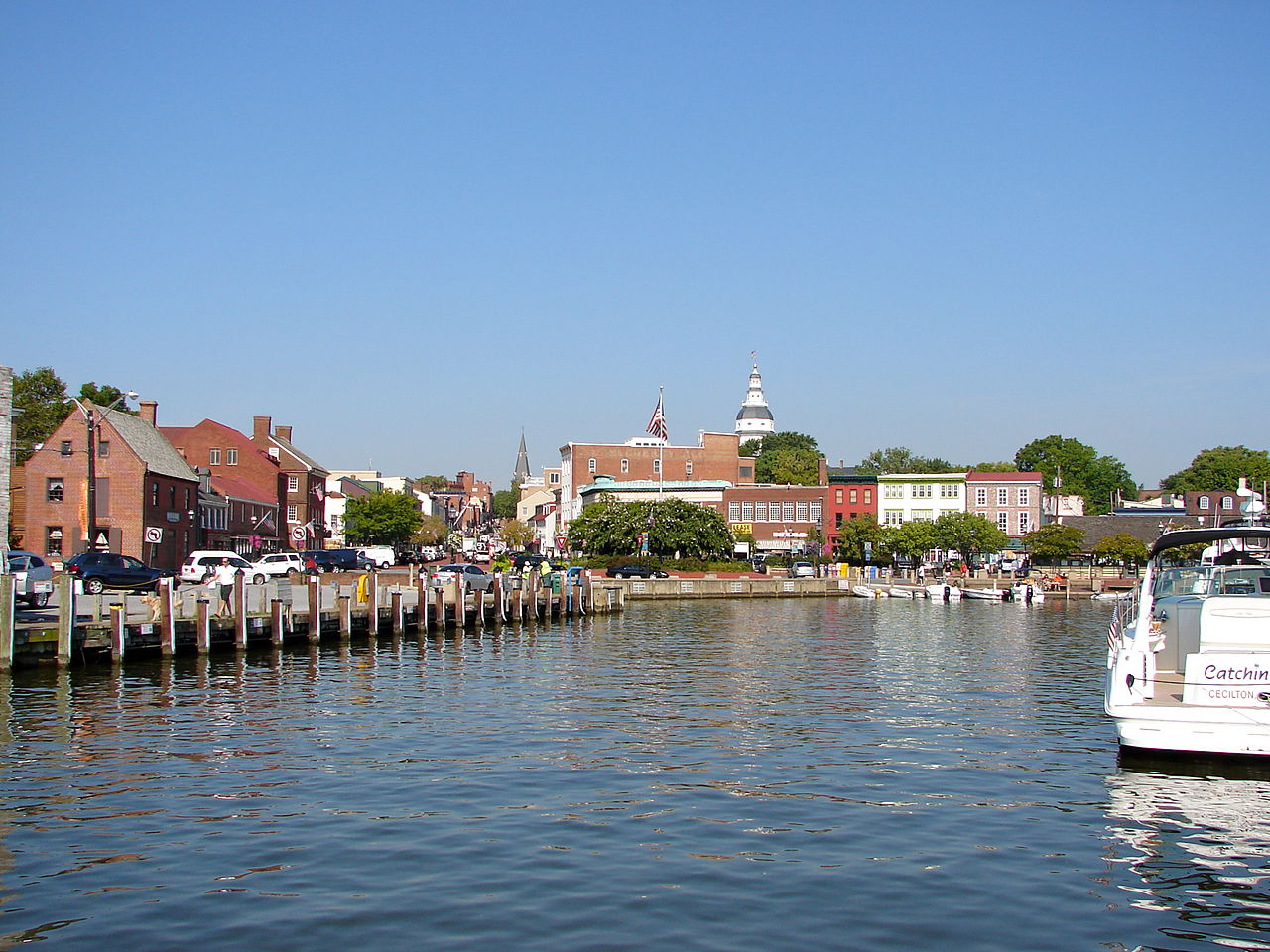
City Dock At the base of the hill, City Dock is where the marina culture meets the tourist foot traffic. Pleasure craft, sailboats, and working vessels all share the water. The area around the dock is lively on weekends and during summer months, with outdoor seating, water views, and the comings and goings of charter boats.
Eastport Just across Spa Creek from downtown, Eastport is a peninsula neighborhood with a distinct maritime character. It has its own cluster of restaurants, boatyards, and a quieter residential feel than the main historic core. A small drawbridge connects it to downtown, and the walk over is short and scenic.
West Annapolis West Annapolis is a quieter residential neighborhood west of downtown, with some independent shops and dining spots. It tends to be less congested than the historic core and offers a more neighborhood-level perspective on daily life in the city.
Parole and the Route 2 Corridor If you're looking for big-box shopping, chain hotels, or suburban conveniences, the Parole area north of downtown along U.S. Route 2 handles most of that. It's not a walkable district, but it's practical for visitors arriving by car who want standard lodging options near the city.

Things to Do in Annapolis
The range of activities in Annapolis spans history, the outdoors, and the water. For a full rundown, see the Best Things To Do in Annapolis.
History and Architecture The historic district contains roughly 85 mapped attractions, museums, and historic sites. Walking the streets is itself an activity — the density of pre-Revolutionary and Federal-era buildings here is unusual for a city of this size. Guided walking tours operate regularly and are a practical way to absorb context that's easy to miss on a self-guided stroll.
The Maryland State House, the oldest state capitol building in the country still in continuous legislative use, is open to visitors. Check the official site for current visiting hours and any access restrictions related to legislative sessions. The William Paca House and Garden, the Hammond-Harwood House, and the Chase-Lloyd House are among the well-known historic properties open for tours — hours and admission policies vary seasonally, so confirm details directly before visiting.
The Naval Academy The U.S. Naval Academy grounds are open to the public, though entry through the visitor gate requires a valid ID. The campus includes the Naval Academy Chapel, the crypt of John Paul Jones, and Bancroft Hall, one of the largest dormitories in the world. Guided tours depart from the Armel-Leftwich Visitor Center; check the Academy's official site for current tour schedules and any access requirements.
On the Water Sailing is woven into Annapolis's identity — the city is often called the sailing capital of the U.S., and the waterfront makes it easy to understand why. Kayak and paddleboard rentals, sailing cruises, and fishing charters are available from City Dock and the surrounding marinas. Water taxi service connects downtown to Eastport and other points along the creek, and it's a pleasant way to cross the water without walking. Confirm current schedules and pricing directly with operators.
Parks and Green Space The Annapolis city parks system includes several waterfront access points, and Sandy Point State Park — a short drive north near the Chesapeake Bay Bridge — offers beach access, swimming, and boating put-ins on the Bay. The broader Annapolis region sits within reach of numerous National Park Service properties and natural areas; the NPS manages sites throughout the Chesapeake Bay watershed, so visitors with an interest in natural or military history have options beyond the downtown core.
Landmarks Worth Knowing
Annapolis has a high concentration of historically significant sites relative to its size. For a focused look at what's worth your time architecturally and historically, visit the Top Landmarks in Annapolis page, which covers the major sites in more depth.
A few worth flagging here: the Maryland State House dome is visible from much of the downtown hill and serves as a useful landmark for orientation. St. John's College, one of the oldest colleges in the country, occupies a campus adjacent to the historic district and is open to walk-through visits. The Annapolis Maritime Museum in Eastport offers context on the Bay's working history and is a good complement to the downtown-focused narrative most visitors get.
Where to Eat in Annapolis
The dining scene in Annapolis leans heavily toward seafood, for obvious geographic reasons. Maryland blue crab, Chesapeake oysters, and rockfish appear across menus in various preparations. With around 366 mapped restaurants and cafes in the area, there's a reasonable spread of options from casual waterfront spots to more sit-down dining.
The City Dock area and the Main Street corridor have the highest concentration of restaurants. Eastport has a smaller but well-regarded cluster of spots, typically with slightly less foot-traffic pressure than the downtown core. West Annapolis has some neighborhood-level options worth considering if you want to step away from the tourist-heavy blocks.
For a more detailed look at the dining landscape, including what neighborhoods to focus on and what to look for on menus, see Where to Eat in Annapolis.
Getting Around Annapolis
On Foot The historic core of Annapolis is compact and genuinely walkable. From the Maryland State House to City Dock is roughly a 10-minute walk downhill — and a steeper 10-minute walk back up. Eastport is an easy walk from downtown via the Spa Creek drawbridge.
By Car Most visitors arrive by car. Parking in the downtown historic district can be tight, particularly on weekends and during summer. The city operates several garages and surface lots; rates and availability vary, and checking the city's official parking resources before arrival saves time. Street parking in the historic core has time limits and enforcement is regular.
Water Taxi Seasonal water taxi service connects City Dock with Eastport and other points along Spa Creek. It's a practical and enjoyable way to move between the two neighborhoods. Confirm current routes, schedules, and fares directly with the operator.
Regional Connections Annapolis is accessible from Washington, D.C. via U.S. Route 50, and from Baltimore via Route 2 or Interstate 97. Public bus service connects Annapolis to the broader Maryland transit network, including connections toward BWI and Baltimore. Check the Maryland Transit Administration's current schedules and contactless payment options before relying on transit for time-sensitive connections.
Visitor Tips
- Wear comfortable shoes. The historic district's brick sidewalks and uneven surfaces are charming but hard on feet.
- Arrive early on summer weekends. Parking fills up, restaurants have waits, and the dock gets crowded by midday.
- Many historic properties and museums have seasonal hours and close on certain days. Check official sites before building your schedule around a specific attraction.
- The Naval Academy gate requires photo ID. Non-U.S. visitors should confirm entry requirements in advance.
- Weather on the Chesapeake shifts quickly, especially in spring and fall. A light layer is useful even on warm days if you're spending time on the water.
Family Tips
Annapolis is generally manageable with children, though the cobblestone streets and stroller logistics in the historic core take some planning. The waterfront area around City Dock tends to hold kids' attention well — boats, open space, and food options in close proximity. Sandy Point State Park is a practical half-day option for families who want beach time near the city.
The Naval Academy tour is appropriate for school-age children with an interest in history or military service. Many of the historic house museums are better suited to older children and adults, given the guided-tour format and handling restrictions.
Itinerary Options
Not sure how to structure your visit? Two itineraries are available depending on how much time you have:
- Annapolis 1-Day Itinerary — a focused route through the highlights for visitors with a single day
- Annapolis 3-Day Itinerary — a longer plan that includes the Naval Academy, day trips, and deeper neighborhood exploration
Best Time to Visit
Annapolis draws visitors year-round, but the experience varies considerably by season. Summer is the busiest period, with the fullest activity calendars and the most congestion. Fall brings cooler weather and smaller crowds, and is widely considered a comfortable time to visit. For a full breakdown of seasonal trade-offs, see Best Time to Visit Annapolis.
Frequently Asked Questions
For quick answers to common questions about visiting Annapolis — parking, transportation, what to prioritize — see the Annapolis FAQ.