Annapolis 3-Day Itinerary
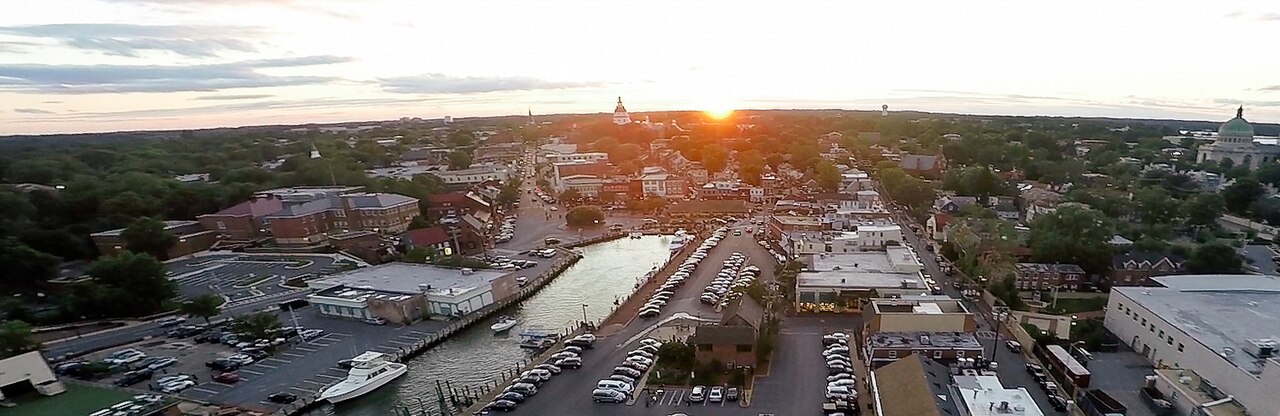
Three days in Annapolis gives you enough time to move past the highlights and get a genuine feel for how this compact state capital actually functions. With a population of around 40,000 residents and roughly 85 mapped attractions, museums, and historic sites in the area, Annapolis rewards slow walking and unplanned detours as much as deliberate sightseeing. This itinerary divides the city into three distinct themes: historic icons and the waterfront, neighborhoods and local culture, and the outdoors along the Chesapeake Bay. If your trip is shorter, the Annapolis 1-Day Itinerary offers a condensed version of the essentials.
For seasonal planning before you book, the Best Time to Visit Annapolis page covers what each season brings in terms of weather, crowds, and local activity.
Day 1: Historic Core and the Waterfront
Annapolis built its identity as a colonial-era port city, and the historic downtown makes that clear without much effort. The streets are narrow, many are brick, and the architecture along them spans several centuries in visible layers — a density of American history that keeps this area among the more commonly visited in Maryland.
Morning: State House and Surrounding Blocks
Start at the Maryland State House, which sits at the top of State Circle. It remains the oldest state capitol building in the country still in continuous legislative use, and it functions as a working government building as well as a visitor site. The interior dome and historic chambers draw steady foot traffic for good reason. Check the official Maryland State House website for current visitor access and hours before you go.
From State Circle, walk down Maryland Avenue toward the waterfront. Along the way, the Hammond-Harwood House is a well-preserved example of colonial Georgian architecture and one of the more formally recognized historic houses in the city. The William Paca House and Garden is another worthwhile stop in this stretch — the garden behind the house is a careful restoration of an 18th-century pleasure garden. Confirm visiting hours and any admission details directly with each site before planning your timing.
Midday: City Dock and the Kunta Kinte–Alex Haley Memorial
City Dock — locally sometimes called "Ego Alley" — sits at the foot of Main Street and serves as the center of Annapolis's waterfront activity. Sailboats and motor vessels come and go throughout the day, and the dockside area draws a consistent crowd. The Kunta Kinte–Alex Haley Memorial at the dock commemorates the arrival of the enslaved man whose story became the basis for *Roots*, and it stands as one of the more significant public monuments in the city. Take time to read the installation and the surrounding panels before moving on.
For lunch, Annapolis has roughly 366 mapped restaurants and cafes across the area, with a solid concentration near City Dock and along Main Street. The Where to Eat in Annapolis page gives a practical overview of dining options by style and neighborhood.
Afternoon: The U.S. Naval Academy
The U.S. Naval Academy occupies a large section of Annapolis's northeastern waterfront along the Severn River. The grounds include the Chapel (with John Paul Jones's crypt beneath it), Bancroft Hall — the large dormitory that houses the entire Brigade of Midshipmen — and the Armel-Roberts Visitor Center. Access to the grounds is managed by the Academy itself, so check the official visitor information page before you plan to enter, as requirements and open hours can vary by season and calendar events.
The walk back through the historic district in the late afternoon is a good way to see the colonial streetscapes in different light and fill in any spots you passed earlier in the day.

Day 2: Neighborhoods, Arts, and Local Character
Annapolis beyond the tourist core is quieter and more residential in feel, but the Eastport neighborhood and the arts and cultural institutions scattered around the city offer a side of Annapolis worth a full day.
Morning: Eastport
Eastport sits just across the Spa Creek drawbridge from downtown — close enough to walk and distinct enough to feel like its own place. It has a working maritime character: marinas, boatyards, and boat repair businesses share space with restaurants and small shops. Walking Eastport's streets in the morning is a good way to get a sense of the neighborhood's pace before the day fully warms up. The drawbridge itself offers a clean view back toward the City Dock area and the historic skyline.
Midday: Museums and Cultural Sites
The Banneker-Douglass Museum, operated by the Maryland Commission on African American History and Culture, is located in a former church building in downtown Annapolis. It documents African American history and culture in Maryland through rotating and permanent exhibitions, and it is one of the more substantive cultural institutions in the city. Confirm current hours and exhibition information on the official site before visiting.
Maryland Hall for the Creative Arts hosts visual arts exhibitions and performing arts programming in a building that has anchored the local arts scene for decades. Check the current schedule directly — programming rotates, and timing your visit around an opening or a performance is worth the extra step.
Several smaller galleries and artist studios operate in and around the historic district and are generally walkable from one another. The Best Things To Do in Annapolis page has a broader overview of cultural options that can help you fill in the afternoon.
Afternoon: Colonial Streets and St. Anne's Church
St. Anne's Church on Church Circle is one of the oldest congregations in Maryland, and the current building has been part of the downtown streetscape for well over two centuries. The surrounding blocks — Cornhill Street, Fleet Street, Francis Street — are among the more intact colonial streetscapes in Annapolis and give a better sense of the city's original scale and layout than the busier tourist corridors.
The Market House near City Dock has operated in various forms as a public market since the 18th century and currently functions as a food hall-style space. It is a practical stop in the late afternoon for a snack before dinner, and it adds a bit of historical context to the waterfront end of your walk.
Day 3: The Chesapeake Bay and the Outdoors
Annapolis's relationship with the Chesapeake Bay is not incidental — the city was built around water, and the Bay is close enough that spending a full day outdoors along its shores requires very little travel.
Morning: Sandy Point State Park
Sandy Point State Park sits near the western end of the Chesapeake Bay Bridge, a short drive from Annapolis proper. It offers direct beach access on the Bay, and on a clear morning the view across the water extends far enough to feel genuinely open. Swimming, fishing, and kayaking are all options depending on the season and conditions. Check the Maryland Department of Natural Resources website for current access, fees, and any seasonal restrictions before heading out — details can change between seasons.
From Sandy Point, you can see the Thomas Point Shoal Lighthouse offshore, one of the last remaining screw-pile lighthouses still standing in its original location on the Chesapeake Bay. Boat tours to the lighthouse operate seasonally through local operators; check availability and booking directly with whichever operator you choose.
Midday: On the Water
Annapolis is widely regarded as one of the more active sailing cities on the East Coast, and options for getting out on the water are plentiful. Charter sailboats, skipjack cruises, and kayak rentals operate out of the City Dock area and nearby marinas. Availability and pricing vary by operator and season, so confirm directly before you plan around any specific option.
If staying on land suits the day better, Quiet Waters Park on the south side of the city has walking and biking trails along the South River and Harness Creek. The park covers a substantial area and is notably less crowded than the waterfront on most days — a good option for anyone who finds the City Dock area too busy.
Afternoon: Back to the Waterfront
A fitting close to three days in Annapolis is the waterfront itself. The afternoon light over the Severn River and the sailboats at anchor provides a calm end to the trip without requiring much coordination. If there are landmarks or sites from earlier in the itinerary you want to revisit — or ones you skipped — the Top Landmarks in Annapolis page organizes the area's most commonly visited sites in one place.
Practical Notes for Your Trip
Getting around: Annapolis's historic district is compact enough to handle most of Day 1 and significant portions of Day 2 entirely on foot. For Sandy Point State Park and Quiet Waters Park on Day 3, a car or rideshare is the practical choice. Street parking in the historic district is limited; the city operates several garages, and checking the city's official parking information before you drive in tends to save frustration.
Safety and awareness: Annapolis is a small city, and the areas around the waterfront and historic district see consistent foot traffic throughout the day. Standard urban awareness applies after dark in quieter residential blocks, as it does in most cities of any size.
Dining across three days: With roughly 366 restaurants and cafes mapped across the Annapolis area, finding a meal at any point in the day is straightforward. The concentration near City Dock is high, and Eastport adds its own cluster of options across the bridge. The Where to Eat in Annapolis page gives a fuller breakdown.
Planning and logistics: The Annapolis Travel Guide: Things to Do, Landmarks, Food, and Itineraries covers the full picture if you are still in the research phase, and the Annapolis FAQ answers common questions about timing, access, and what to expect across a multi-day visit.