Top Landmarks in San Jose
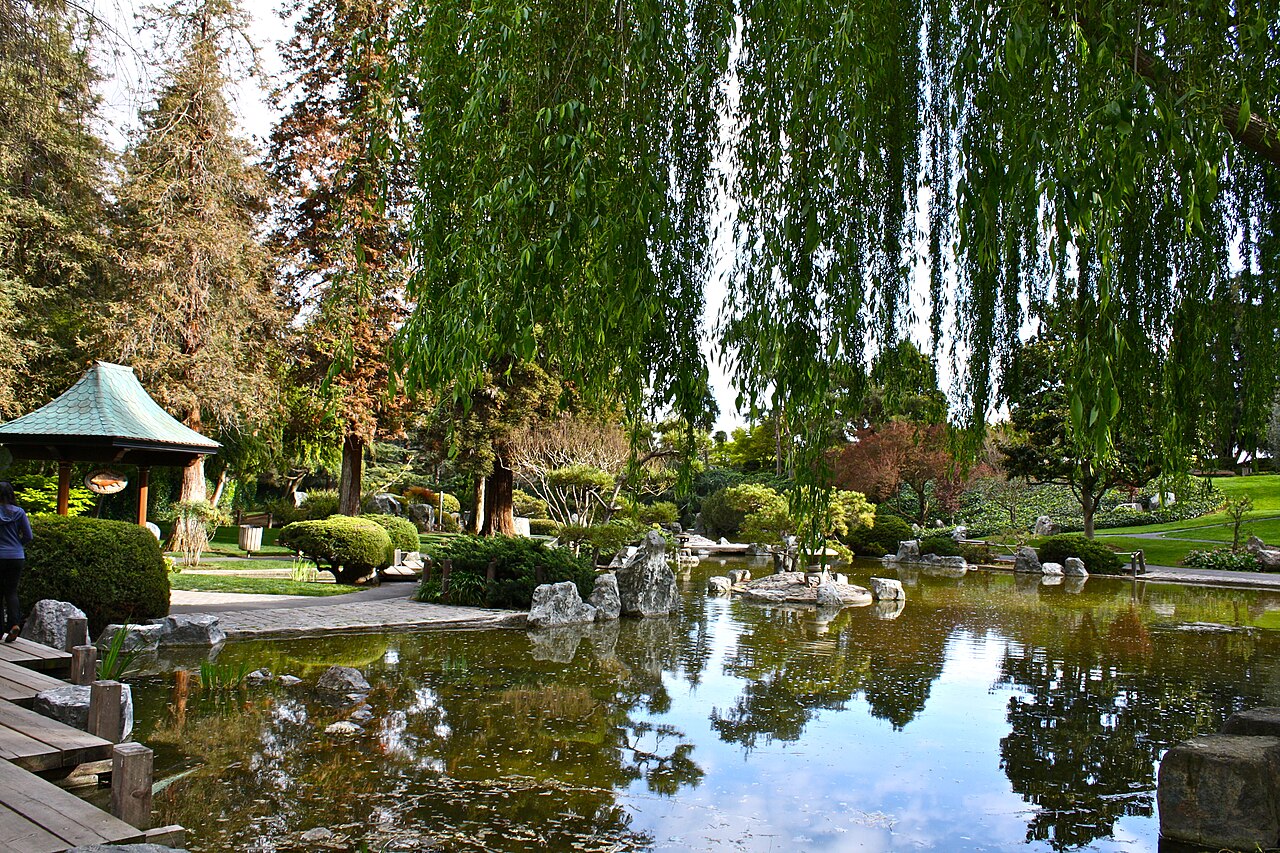
San Jose, CA sits at the heart of Silicon Valley and, with nearly a million residents, ranks among the largest cities in California. Its landmarks reflect several overlapping histories: Spanish colonial origins, Victorian-era construction, Japanese American heritage, and decades of influence from the technology industry. For visitors trying to understand the city beyond its reputation as a tech hub, these sites offer a more complete picture. This guide covers the most widely recognized landmarks in San Jose, how they cluster geographically, and how to link them together into a practical day of exploration.
Downtown San Jose: The Core Cluster
The most walkable concentration of landmarks in San Jose is in and around downtown, within a short distance of Plaza de César Chávez. The plaza is a long-established gathering point at the city's center—a tree-lined green rectangle where office workers, families, and visitors pass through throughout the week. It functions as a natural orientation point for anyone exploring downtown on foot.
On the plaza's western edge stands the Cathedral Basilica of Saint Joseph, whose twin towers form one of the most familiar silhouettes in the downtown skyline. The cathedral traces its origins to the parish church established to serve the Pueblo de San José in the late eighteenth century, though the current structure was rebuilt following earthquake damage in the early twentieth century. The interior features ornate tilework and detailed decorative programs that reward a closer look. Because access may vary depending on scheduled services, checking the cathedral's official website before visiting is worthwhile.
Across the plaza, the San Jose Museum of Art occupies a building that combines a Romanesque Revival post office—a downtown fixture since 1892—with a contemporary addition built several decades later. The museum emphasizes twentieth- and twenty-first-century works, with a particular focus on West Coast artists, and its rotating exhibitions have drawn sustained attention from audiences beyond the region. Current exhibition information and hours are available on the museum's website.
A short walk south leads to the Tech Museum of Innovation, one of the most prominent science and technology institutions in the South Bay. The building's terracotta and indigo exterior stands out easily against the surrounding downtown blocks. Inside, hands-on exhibits explore topics ranging from genetics and robotics to space exploration and artificial intelligence. Given that San Jose sits at the center of a global technology industry, the museum's subject matter connects to the city in a direct way that distinguishes it from similar science museums elsewhere. Confirm hours and admission at the museum's official site before your visit.

San Jose City Hall and the Civic District
A few blocks north of the plaza, San Jose City Hall offers one of the more architecturally distinctive civic buildings in the state. Designed by Richard Meier and completed in 2005, the structure centers on a large glass rotunda that draws natural light deep into the public atrium. The rotunda is accessible during business hours and provides a well-executed example of contemporary institutional architecture at a substantial scale. The surrounding civic district—public library branch, government offices, and open plazas—is calm and generally easy to walk through.
The Peralta Adobe
Near the San Pedro Square area, within easy walking distance of the plaza, the Peralta Adobe is recognized as the oldest surviving structure in San Jose. The small adobe building dates to the late eighteenth century and is a physical remnant of the Pueblo de San José de Guadalupe, the first civilian settlement established in California under Spanish rule. Standing in a neighborhood of modern buildings, the adobe carries a disproportionate historical weight for its modest size. The site is managed as part of History San Jose; the organization's website has current information on access and programming.
Winchester Mystery House
No landmark in San Jose draws more sustained outside interest than the Winchester Mystery House, located west of downtown in a mixed residential and commercial neighborhood. The property was the continuous construction project of Sarah Winchester—widow of rifle manufacturer William Winchester—from the 1880s until her death in 1922. The result is a rambling Victorian mansion with an estimated 160 rooms, staircases that terminate at ceilings, doors that open onto sheer drops, and corridors that fold back on themselves without apparent reason. The architectural oddity is genuine and well-documented, and the site has been a popular attraction for well over a century.
The Winchester Mystery House is operated as a private attraction with several tour options covering different parts of the property. Because formats, seasonal programming, and prices can change, the official Winchester Mystery House website is the right place to check before planning a visit. The site is far enough from downtown that most visitors will want a car or rideshare rather than trying to walk; the surrounding commercial corridor has cafes and restaurants, making it practical to pair a tour with a meal nearby.
Rosicrucian Egyptian Museum
Northwest of downtown in the Rose Garden neighborhood, the Rosicrucian Egyptian Museum occupies a campus of Egyptian Revival–style buildings that look conspicuously unlike anything else in San Jose. The museum holds one of the largest collections of Egyptian artifacts on public display in western North America, including mummies, funerary objects, amulets, and everyday items from ancient Egypt. A replica rock tomb on the grounds can be entered by visitors, offering a sense of the burial architecture that produced many of the objects inside. The combination of the collection itself and the unusual campus design makes the museum worth the trip from downtown specifically. Confirm current hours and admission at the museum's website before visiting.
History Park at Kelley Park
Southeast of downtown, History Park within Kelley Park assembles a collection of relocated and reconstructed historic structures from across the San Jose area: a Victorian-era trolley barn, early residential buildings, a replica of San Jose's original electric light tower, and other structures that illustrate the city's development through the late nineteenth and early twentieth centuries. The park functions as an open-air museum, and the grounds are extensive enough to spend a leisurely hour or two walking through. History San Jose, the nonprofit that operates the site, maintains a website with current hours, admission details, and event information.
Combining Landmarks into a Walk
The downtown cluster—Plaza de César Chávez, the Cathedral Basilica of Saint Joseph, the San Jose Museum of Art, the Tech Museum of Innovation, and the Peralta Adobe—can comfortably be covered in a half day on foot. Adding City Hall extends the route by only a few blocks to the north. These sites are close enough together that moving between them requires minimal planning.
The Winchester Mystery House and the Rosicrucian Egyptian Museum sit in separate neighborhoods and each requires either a car, rideshare, or a local bus. San Jose's transit network connects most parts of the city; check the VTA website for current payment options, routes, and fares. A reasonable approach for a full day is to spend the morning downtown on foot, then use transit or a rideshare for one of the outer landmarks in the afternoon.
The San Jose 1-Day Itinerary offers a suggested sequence that accounts for travel time between neighborhoods. For visitors with more flexibility, the San Jose 3-Day Itinerary builds in enough time to cover the downtown core, the Winchester Mystery House, and the Rosicrucian Egyptian Museum without compressing any of them.
Eating Near the Landmarks
The downtown area and the neighborhoods around the outer landmarks all have accessible dining options. San Jose's food scene reflects the city's demographic diversity, with a wide range of cuisines available across price points. For an overview of what to expect near these landmarks, the Where to Eat in San Jose page covers the major dining neighborhoods and cuisine types.
Practical Notes
Not all of San Jose's landmarks are reachable from one another on foot. A practical strategy for most visitors is to treat the downtown core as a walkable half-day loop and to plan separate trips—by rideshare, car, or bus—for the Winchester Mystery House and Rosicrucian Egyptian Museum. As with any city of San Jose's size, ordinary urban awareness applies in all areas: keep track of your belongings and stay aware of your surroundings as you move between neighborhoods.
The San Jose FAQ addresses common logistical questions, including parking, getting around without a car, and what to know before you arrive. For a broader look at what the city offers beyond its landmarks, the Best Things To Do in San Jose page covers parks, neighborhoods, and activities across the metro area. A full orientation to planning a trip here starts with the San Jose Travel Guide.