Best Time to Visit San Jose

San Jose, CA sits at the southern end of the San Francisco Bay in the Santa Clara Valley, a position that gives it a notably different climate from the rest of the Bay Area. The surrounding hills buffer the city from the heavy coastal fog that blankets communities to the northwest, and the valley floor retains warmth longer than nearby coastal towns. The result is a schedule of genuinely distinct seasons — none of them extreme — that can meaningfully shape your trip depending on what you're looking for.
This guide breaks down each season so you can align your travel window with your priorities, whether that means lower hotel rates, thinner crowds, comfortable conditions for outdoor exploration, or a particular type of event atmosphere. For a fuller overview of the city itself, the San Jose Travel Guide: Things to Do, Landmarks, Food, and Itineraries is a useful starting point.
Spring in San Jose (March through May)
Spring is one of the more rewarding seasons to visit San Jose. Temperatures climb gradually from cool mornings into comfortable afternoons, and the hills surrounding the city turn green following winter rains. Wildflowers appear across the open space preserves east and south of the city, making this a strong window for anyone planning to spend time hiking or exploring outdoor areas.
Crowds are moderate. Spring break weeks in late March and early April bring a temporary uptick at family-friendly attractions, but the season overall lacks the concentrated visitor demand of summer. Hotel rates tend to reflect that — spring is generally more affordable than peak season without requiring the trade-offs of a rainy winter stay.
Neighborhoods like Japantown and the Guadalupe River Trail corridor are well-suited to spring weather, when conditions are mild enough for extended walking. If landmarks are part of your plan, the Top Landmarks in San Jose page covers the broader range of options across the city.
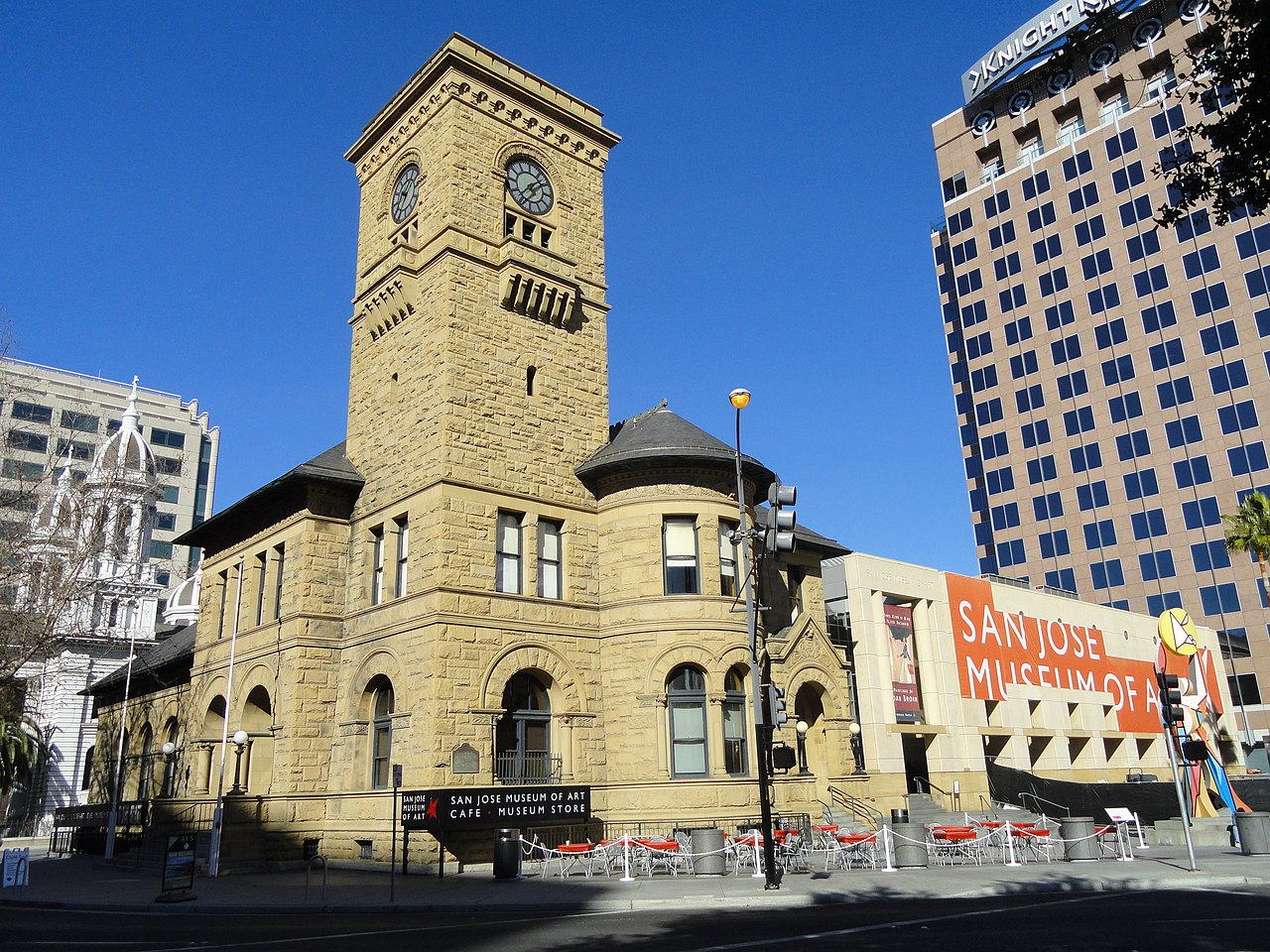
Summer in San Jose (June through August)
Summer in San Jose runs warmer and drier than most Bay Area destinations. The city sits far enough inland to avoid the persistent afternoon fog that rolls through San Francisco and the peninsula, so expect sunny afternoons with genuine warmth — and during heat waves in July and August, genuine heat. That said, evenings reliably cool down, a regional pattern that makes summer more comfortable than raw afternoon highs might suggest.
This is peak travel season. Visitors converge on the Bay Area throughout the summer months, and San Jose reflects that demand in hotel availability and pricing. Booking accommodations well in advance is a practical step for summer visits, particularly for stays near the downtown core or the convention center corridor.
The upside is a full calendar of outdoor events, concerts, and community festivals. If an energetic atmosphere is part of what you're after, summer provides it. Just expect longer waits at popular indoor attractions and higher prices across the board.
Fall in San Jose (September through November)
Fall is widely regarded as the most agreeable season in San Jose, and the conditions support that reputation. Summer heat fades, but the warm, dry character of the valley lingers well into October. Rainfall is minimal until at least November, and skies are frequently clear. Days grow shorter, but afternoon temperatures remain comfortable enough for outdoor activity well past Labor Day.
Visitor numbers drop noticeably after the summer peak. The San Jose McEnery Convention Center hosts a concentration of technology and business conferences in fall, which can create short windows of elevated hotel demand downtown around specific events. Checking the convention schedule before booking is worth the effort — outside those dates, the city is considerably more navigable than during summer.
Fall also opens up reasonable conditions for day trips. Pinnacles National Park, located roughly 80 miles south of San Jose near Hollister, offers hiking that is far more approachable in fall temperatures than in the summer heat — check the National Park Service website for current access and conditions before heading out.
Winter in San Jose (December through February)
Winter in San Jose is mild relative to most of the country, but it is the rainy season. Storms move through periodically between December and February, and while the surrounding hills can receive snow at elevation, the valley floor sees rain rather than cold. Frost is occasional but not routine.
This is the low season for tourism, and that translates directly into lower hotel rates and thinner crowds at museums and cultural sites. San Jose has approximately 328 mapped attractions, museums, and historic sites in the area — places like the Rosicrucian Egyptian Museum, the Winchester Mystery House, and The Tech Interactive are meaningfully easier to move through during a weekday in January than on a summer Saturday.
The late-December holiday window is a partial exception. The downtown area and Santana Row see increased foot traffic around the winter holidays, and accommodation rates tend to rise during that stretch. Travelers targeting the lowest prices and fewest crowds are generally better served by the weeks between New Year's Day and mid-February.
Shoulder Seasons: The Case for March and October
For travelers with schedule flexibility, March and October stand out as particularly practical windows. Both sit at the transition between off-peak and peak periods and tend to offer a combination of favorable weather and reasonable pricing.
March catches the tail end of the rainy season: winter storms are largely finished, the hills are still green, and summer accommodation rates have not yet arrived. It's a good month for outdoor activity — hiking the Alum Rock Park area or exploring city neighborhoods — before the heat of summer sets in.
October offers complementary logic on the other end. Summer's peak demand has passed, the weather remains warm and dry, and the city is easier to move through without the congestion of the high season. For travelers who are not bound by school calendars or summer vacation windows, October is a strong choice.
Events and the Convention Calendar
San Jose maintains an active events calendar year-round, spanning technology conferences, cultural festivals, outdoor concerts, community gatherings, and food events tied to the city's diverse neighborhoods. Specific dates shift from year to year, so checking official city tourism resources or the convention center's schedule is the most reliable way to plan around events rather than into them.
The convention calendar matters practically: large-scale conferences at the McEnery Convention Center — many tied to the region's technology and business sectors — can cause significant spikes in downtown hotel demand over their run dates. Building a search around those dates, rather than ignoring them, often yields noticeably better availability and rates.
San Jose also has a substantial dining scene, with roughly 2,190 mapped restaurants and cafes across the area. What's on offer spans a wide range of cuisines and price points — a reflection of the city's demographics and its position in one of the country's more economically active metro areas. For an overview of the food landscape by neighborhood and type, see Where to Eat in San Jose.
Getting Around San Jose
San Jose is laid out for cars, but the city also has an extensive light rail and bus network operated by the Valley Transportation Authority. Many parts of the downtown core, the Japantown neighborhood, and the areas around major museums are walkable, and contactless payment options are available on many VTA services — confirm current options on the VTA website alongside current route maps, schedules, and fare information before your visit — transit details change.
Norman Y. Mineta San José International Airport sits a few miles northwest of downtown and connects to the transit network, making it reasonably accessible without a rental car if you're staying centrally. Rideshare services operate city-wide.
Quick Planning Reference
- Best overall conditions: October — warm, dry, and past the summer peak
- Best value months: January through February and late March
- Best for outdoor activity: Spring (March–May) for green landscapes; fall for clear skies and day-trip weather
- Highest prices and crowds: June through August, plus the late-December holiday window
- Rain to factor in: November through March, with the heaviest likelihood in December and January
- Convention disruptions: Check the McEnery Convention Center schedule before booking downtown hotels in any season
Once you've settled on your travel window, the Best Things To Do in San Jose page covers the full range of activities across the city. If you want a structured framework for a specific trip length, the San Jose 1-Day Itinerary and San Jose 3-Day Itinerary offer practical day-by-day layouts. Common planning questions are also addressed in the San Jose FAQ.