Wilkes-Barre Travel Guide: Things to Do, Landmarks, Food, and Itineraries

Wilkes-Barre sits in the Wyoming Valley of northeastern Pennsylvania, along the Susquehanna River, and it's the kind of mid-sized city that works well as both a standalone weekend trip and a home base for exploring the broader Poconos and coal-region area. With a population of a little over 44,000 (per 2024 ACS 5-year estimates), Wilkes-Barre has a compact, walkable core, a downtown built around a historic public square, and a mix of museums, theaters, and outdoor spaces that reflect its long history as a coal and railroad hub. This guide covers the basics of visiting — where to go, how to get around, and what to expect — and links out to more detailed pages for specific planning needs.
Why Visit Wilkes-Barre
Wilkes-Barre offers a manageable, walkable downtown paired with easy access to river trails, mountain scenery, and small-town Pennsylvania character. It's a practical stop for travelers heading between New York City and destinations further into central Pennsylvania, and it also draws visitors interested in regional history, particularly the area's coal-mining and industrial past. According to 2024 ACS 5-year estimates, the city has a median age of 35.3, a median household income of roughly $47,970, and a median gross rent of $939 — figures that describe the city's demographic and housing profile rather than the cost of visiting or dining there.
For a full rundown of activities, see Best Things To Do in Wilkes-Barre, and for a curated look at the city's most notable sites, check Top Landmarks in Wilkes-Barre.
Neighborhoods and Areas Worth Knowing
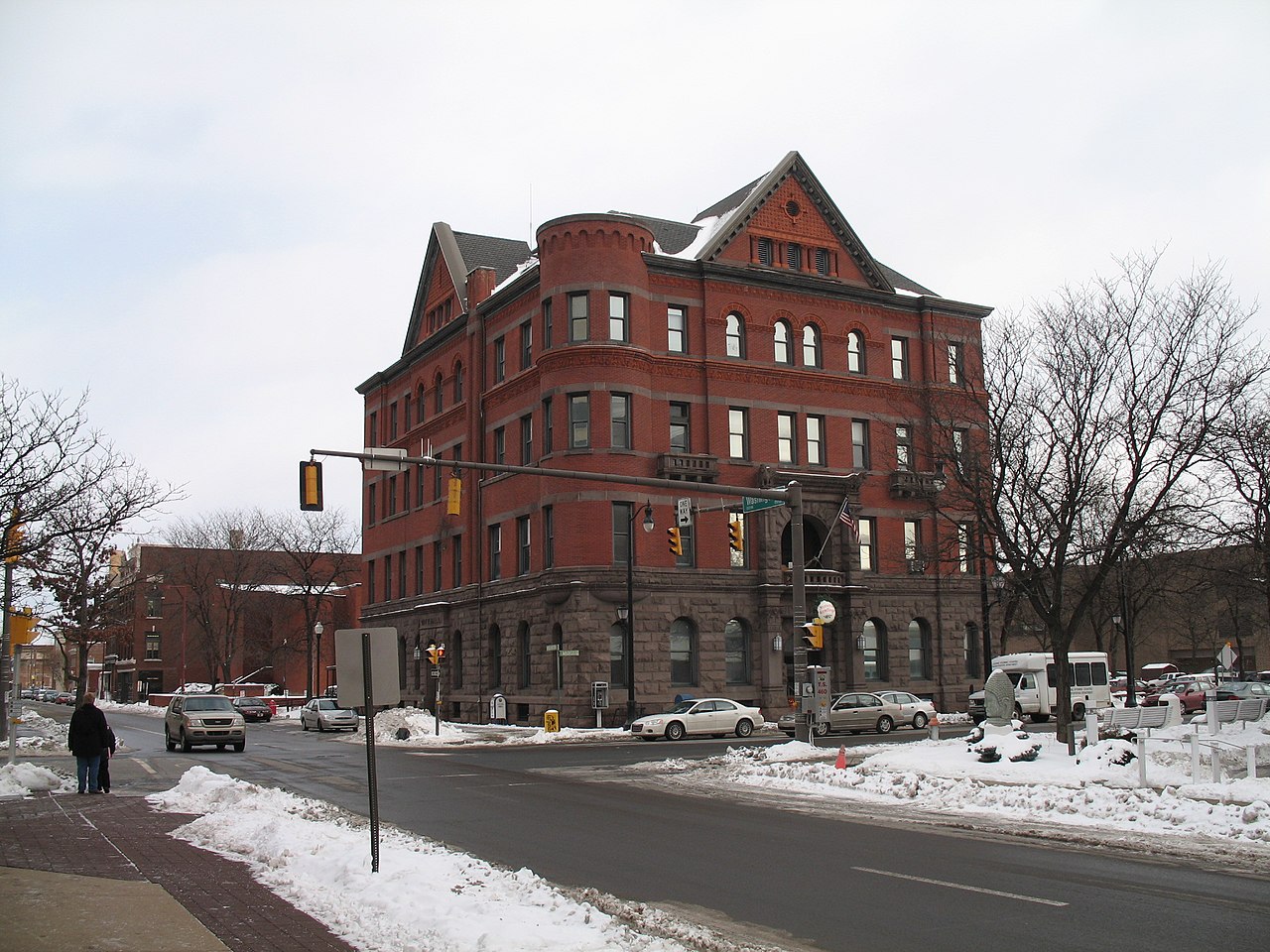
Downtown / Public Square is the historic and civic center of Wilkes-Barre, anchored by the courthouse and surrounded by office buildings, restaurants, and performance venues. It's the most walkable part of the city and a natural starting point for a first visit.
South Wilkes-Barre and the River Common area runs along the Susquehanna River, where a landscaped riverfront park offers walking and biking paths with views across the water. This is a good area for a low-key outdoor break between museum stops.
Wilkes-Barre/Scranton area (Luzerne County broadly) includes several small boroughs and townships that blend into the metro area, useful to know if your lodging or a specific attraction sits just outside the city line rather than downtown proper.
Kirby Park and the North End offer a quieter, more residential feel with green space along the river, a reasonable option for families or anyone wanting a break from downtown traffic.
Things to Do: A High-Level Pass
Wilkes-Barre's attractions lean toward regional history, performing arts, and outdoor recreation. Downtown has a cluster of theaters and museums within walking distance of each other, making it easy to string together a few stops in an afternoon. The riverfront paths are popular with joggers and cyclists, and the surrounding Wyoming Valley has additional parks and trailheads a short drive away. Sports fans may also want to check the schedule for the city's minor-league baseball and hockey venues, which host games seasonally.
Because specific hours, seasonal schedules, and event calendars change, it's worth checking official sites before finalizing plans. For a more complete list of activities organized by type, see Best Things To Do in Wilkes-Barre, and for the landmarks that anchor most itineraries, visit Top Landmarks in Wilkes-Barre.
If you're also planning a broader regional trip, the National Park Service maintains several sites in the wider northeastern Pennsylvania and Mid-Atlantic region that some travelers pair with a Wilkes-Barre stop; check the NPS website directly for current details on any specific site you're considering.

Where to Eat
Wilkes-Barre's dining scene reflects its working-class Pennsylvania roots alongside a growing number of newer restaurants downtown. Expect a mix of diners, pizzerias, and family-owned Italian and Eastern European spots that have served the area for generations, plus casual American restaurants and a handful of coffee shops and bakeries clustered around Public Square.
Rather than chasing a single must-eat spot, it's worth treating a Wilkes-Barre visit as a chance to sample a few different corners of downtown and the surrounding neighborhoods. For a fuller overview of where locals and visitors tend to eat, see Where to Eat in Wilkes-Barre.
Getting Around
Wilkes-Barre is compact enough that downtown is easily walkable once you've parked or arrived. For trips beyond downtown, the local bus system connects the city with surrounding Luzerne County communities, and many riders now use contactless tap-to-pay options where available — check the local transit authority's site for current routes and payment details, since fare structures and card systems can change. A personal vehicle or rideshare service is the most flexible option for reaching riverfront parks, outlying attractions, or day-trip destinations outside the immediate downtown area.
If you're arriving from out of town, the region is served by a regional airport as well as major highways connecting to Scranton, the Poconos, and points toward New York and Philadelphia, making Wilkes-Barre a reasonably convenient stop for road-trippers.
Parking Considerations
Downtown Wilkes-Barre has a mix of on-street metered parking and off-street lots and garages, with availability generally better on weekends and evenings than on weekday business hours. As with any city, posted signage and payment requirements can change, so it's best to check current rates and time limits posted at the specific lot or meter rather than assuming a flat rule applies citywide. If you're visiting during a downtown event, arriving a bit early can help with finding convenient parking near your first stop.
Visitor Tips
Plan for seasonal weather swings — northeastern Pennsylvania winters can bring significant snow, while summers are generally mild to warm, so pack accordingly. As with most small and mid-sized U.S. cities, ordinary urban awareness applies: keep valuables out of sight in parked cars, stay alert in less-trafficked areas after dark, and use well-lit, populated routes when walking at night. For guidance on choosing when to schedule your trip around weather and seasonal events, see Best Time to Visit Wilkes-Barre.
Family Tips
Families will find the riverfront parks and open green spaces useful for breaking up museum or downtown walking time, and the minor-league sports venues can make for an approachable, budget-friendly outing. Many downtown attractions are within a few blocks of each other, which helps limit the amount of walking required with young children. As always, check individual venue websites for age-specific programming or family ticket options before you go.
Sample Itineraries
If you're short on time, a single day is enough to cover Public Square, a landmark or two, and a sit-down meal downtown — see the Wilkes-Barre 1-Day Itinerary for a suggested route. For a fuller visit that includes the riverfront, additional museums, and a day trip into the surrounding valley, the Wilkes-Barre 3-Day Itinerary lays out a more relaxed pace.
Frequently Asked Questions
Common questions about visiting Wilkes-Barre — including logistics, safety framing, and seasonal planning — are addressed in more detail on the Wilkes-Barre FAQ page, which is a good next stop if you still have specific questions after reading this overview.