Best Things To Do in Wilkes-Barre
Wilkes-Barre sits along the Susquehanna River in Pennsylvania's Wyoming Valley, and much of what visitors gravitate toward is organized around that river, the compact downtown, and the region's coal-mining and industrial past. This guide groups activities by interest so you can build a day around what you actually want to see, whether that's outdoor space, a museum stop, or a stretch of historic streets. For a broader orientation to the city, start with the Wilkes-Barre Travel Guide: Things to Do, Landmarks, Food, and Itineraries, and pair this page with the Top Landmarks in Wilkes-Barre for specific sites worth targeting.
Parks and Outdoor Space
The riverfront is the easiest starting point for anyone who wants to walk, jog, or just sit outside. The Susquehanna River levee has a paved path that runs along the water and connects several green spaces, including River Common near downtown and Kirby Park a bit further along the loop that the river makes around the west side of the city. Nesbitt Park, on the Kingston side of the river, offers additional open lawn and playground space and is a common spot for picnicking or watching the water. These riverside parks are free to access and tend to be the most reliable outdoor option regardless of what else is on your itinerary.
Outside the city proper, the Wyoming Valley sits within reach of several state parks and natural areas in Luzerne County, including wooded trail systems and small waterfalls that draw day-trippers from Wilkes-Barre. If hiking or a change of scenery from the urban core is part of your plan, it's worth checking current trail conditions and access details on the relevant state park websites before heading out, since seasonal closures and maintenance schedules do shift.

Museums and Culture
For indoor, culture-focused stops, Wilkes-Barre has a small but genuine museum and performing-arts scene. The Luzerne County Historical Society operates a museum downtown that focuses on the region's settlement history and its coal-mining economy, which is a useful way to understand the built environment you'll see elsewhere in the city. The F.M. Kirby Center for the Performing Arts hosts touring concerts, comedy, and theater in a restored downtown venue, and checking its calendar ahead of a visit is a reasonable way to plan an evening around a live show. Because performance schedules and museum hours change, confirm current listings on each venue's official site rather than assuming availability. Several of these cultural stops are ticketed, while others, like walking the historic downtown blocks around them, cost nothing beyond your time.
Waterfronts and Views
Beyond the parks already mentioned, the river itself is the city's defining visual feature, and several points along the levee path offer open views across the water toward Kingston and the surrounding hills. Public Square, the historic center of downtown, sits a short walk from the riverfront and functions as a gathering point with seasonal markets and community events; it's a useful anchor if you're orienting yourself on foot. None of these viewpoints require an admission fee, which makes them an easy way to fill time between other planned stops.
Historic Sites
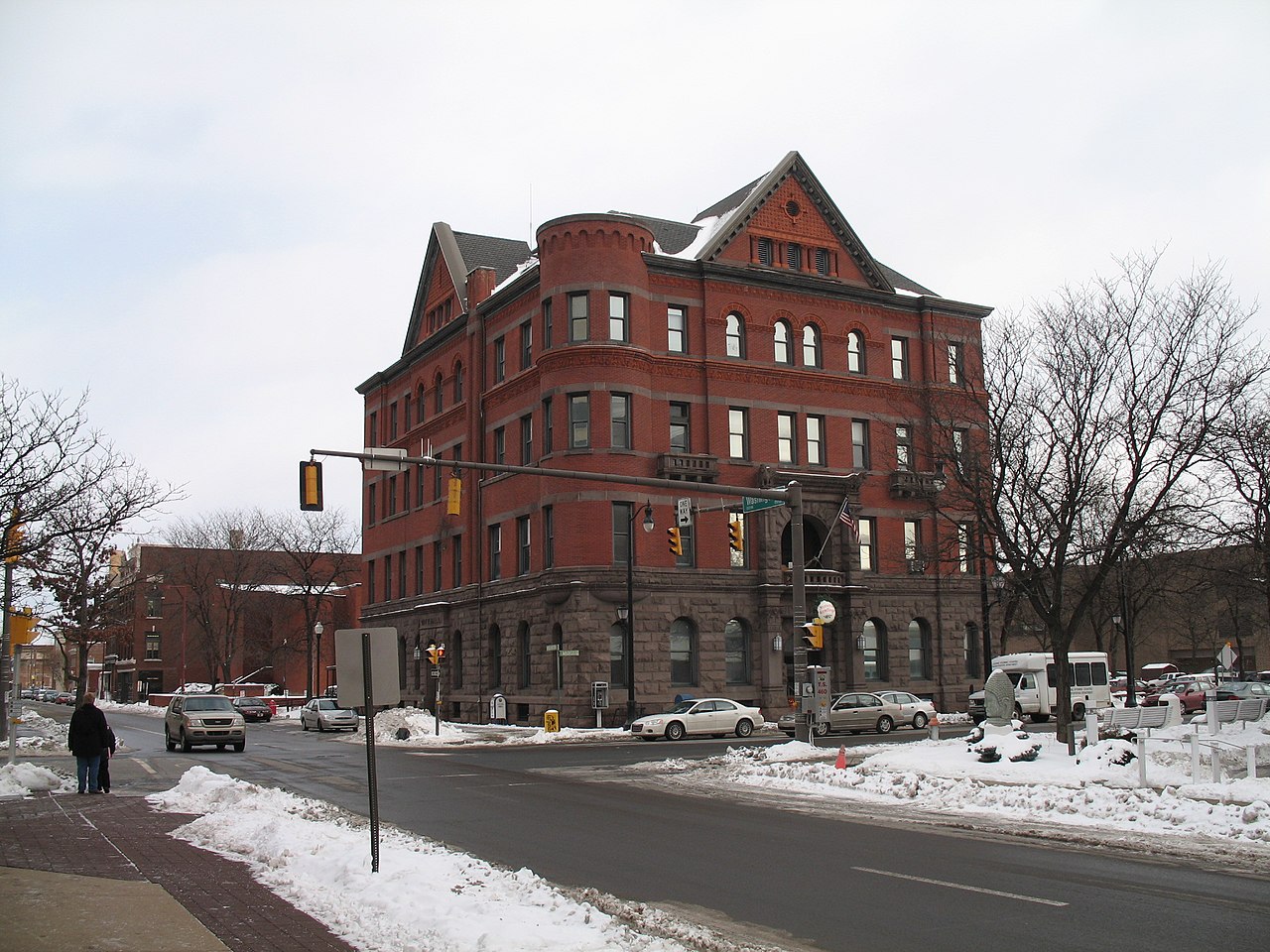
Wilkes-Barre's downtown includes a historic district with commercial and residential buildings dating to the late 19th and early 20th centuries, reflecting the wealth generated by the anthracite coal industry during that period. Walking through this district, particularly around Public Square and the streets branching off it, gives a sense of that era's architecture without needing a guided tour. The broader region around Wilkes-Barre also includes numerous properties listed on the National Register of Historic Places, a federal program administered in part through the National Park Service; if a specific historic address interests you, it's worth verifying its current public access status before visiting, since many are private buildings. For a curated rundown of specific named sites, the Top Landmarks in Wilkes-Barre page goes into more detail.
Neighborhoods to Wander
Downtown Wilkes-Barre, centered on Public Square, is walkable and mixes government buildings, restaurants, and the Wilkes University and King's College campuses, which give parts of the core a college-town feel. Wandering here works well on foot since most points of interest sit within a few blocks of each other. Across the river, Kingston and the surrounding boroughs offer a quieter, more residential contrast if you want a break from downtown density, and the levee path makes it straightforward to cross between the two areas without a car.
Planning Around Free and Ticketed Options
A practical way to structure a visit is to treat outdoor space, riverfront walking, and the historic downtown streets as no-cost anchors for your day, then layer in a museum visit or a Kirby Center show as the ticketed centerpiece. This keeps a trip flexible if weather or scheduling shifts your plans. When you're ready to eat, the Where to Eat in Wilkes-Barre page covers the general dining landscape without ranking specific spots. If you'd rather follow a structured plan than build your own, see the Wilkes-Barre 1-Day Itinerary or the Wilkes-Barre 3-Day Itinerary for a route that sequences these categories for you.
Practical Notes
Wilkes-Barre is a mid-sized city, with a population of roughly 44,000, so distances between downtown attractions are generally short and manageable on foot, though a car is useful for reaching state parks or attractions outside the immediate core. As with any downtown area, ordinary urban awareness is a reasonable approach, particularly around Public Square in the evening. Because seasonal conditions affect outdoor activities and event calendars shift throughout the year, it's worth reviewing the Best Time to Visit Wilkes-Barre page before finalizing your plans, and the Wilkes-Barre FAQ if you have logistical questions that come up while you're there.