Best Things To Do in Washington, DC

Washington, DC draws visitors for a reason that few American cities can match: an enormous share of its most significant attractions cost nothing to enter. The National Mall alone concentrates more free museums, monuments, and open green space than most people can cover in a single trip. But the city extends well beyond that central corridor — historic neighborhoods, waterfront promenades, independent cultural institutions, and a dense restaurant scene spread across all four quadrants and into adjacent communities. Whether you have a single afternoon or a full week, this guide breaks down what to do, organized by interest and by what's free versus ticketed.
For a fuller overview of the city, see the Washington Travel Guide: Things to Do, Landmarks, Food, and Itineraries.
Parks, Green Space, and the Outdoors
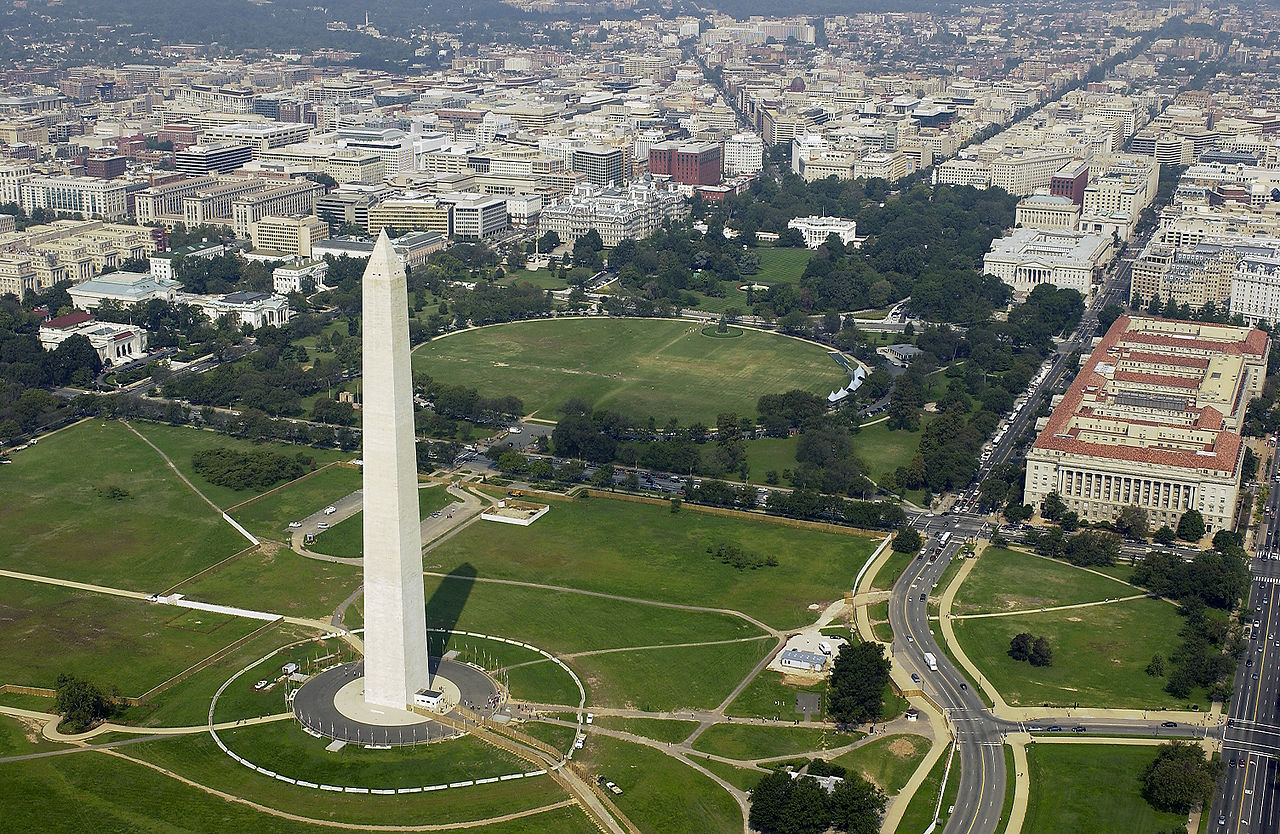
Washington, DC sits within a network of parkland managed in part by the National Park Service, which oversees 67 sites in and around the city. The most visited stretch is the National Mall — a long, open greensward running roughly from the Lincoln Memorial to the U.S. Capitol. Walking its length, you pass reflecting pools, open lawns, and the Washington Monument along the way. It functions as a public park as much as a civic landmark, and it's entirely free to walk at any hour.
East Potomac Park and the Tidal Basin extend south and west of the Mall. The Tidal Basin is a particularly scenic spot in spring when the cherry trees along its edge are in bloom, though that period draws large crowds. The area is walkable year-round and connects to several memorial sites. Rock Creek Park, one of the larger urban parks in the country, cuts through the northwest part of the city and offers trails for running, hiking, and cycling well away from the downtown grid.
For cyclists and casual walkers, the Capital Crescent Trail runs along a former rail corridor between Georgetown and suburban Maryland, offering a paved, low-traffic route. Rental bikes and dockless scooters are available in many parts of the city if you'd rather not bring your own.
Free Museums and Cultural Institutions
The Smithsonian Institution operates the majority of museums along the National Mall, and admission to all of them is free. The National Museum of Natural History, the National Museum of American History, the National Air and Space Museum, and the National Gallery of Art are among the most commonly visited. Each is large enough that a single focused visit will cover only a portion of what's inside, so repeat visits or strategic planning pay off.
The National Portrait Gallery and the American Art Museum share a building in Penn Quarter, a short walk from the Mall, and are also free. The National Zoo, operated by the Smithsonian and located in the Cleveland Park neighborhood, is free to enter, though check the official site for information on parking and any timed-entry requirements that may be in effect.
For a broader look at the Top Landmarks in Washington, that guide covers the major monuments and sites in more detail.
Ticketed Museums and Paid Attractions
Several well-regarded institutions in Washington, DC do charge admission, though prices vary and change over time — always check the official site before visiting. The United States Holocaust Memorial Museum is a significant cultural institution just off the Mall; free passes for timed entry to the permanent exhibition are typically required and can be reserved in advance. Tickets for Capitol tours and certain White House tours require advance coordination through a congressional representative's office, so plan well ahead if those are priorities.
Spy Museum in Penn Quarter is a popular paid attraction covering the history of espionage. The Newseum operated in the same area for years before closing, so verify any similar institutions are still active before planning around them. The National Building Museum near Judiciary Square covers architecture and design and charges admission.
Outside the core, the National Cathedral in the Cleveland Park area charges for certain tours and access to specific areas; confirm the current policy on their official site.
Waterfront Areas and Views
Georgetown Waterfront Park sits along the Potomac River and offers a relaxed spot for walking, sitting by the water, and watching boat traffic. The neighborhood directly behind it — Georgetown itself — is one of the most walkable commercial corridors in the city, with independent shops and restaurants along M Street and Wisconsin Avenue.
The Southwest Waterfront and The Wharf development along the Washington Channel transformed a formerly quiet stretch of waterfront into a densely used public space. The area has a marina, outdoor event spaces, and a mix of bars and restaurants. It connects to Maine Avenue, where a fish market has operated along the water for a very long time. Further east, the Navy Yard neighborhood and Yards Park along the Anacostia River offer another waterfront option that feels distinct from the tourist-heavy Mall corridor.
Historic Sites and Monuments
Beyond the monuments on the National Mall — the Lincoln, Jefferson, Vietnam Veterans, Korean War Veterans, and World War II memorials among them — the city has older layers of history that reward walking. Capitol Hill, as a neighborhood, extends well beyond the Capitol building itself and includes 19th-century row houses, Eastern Market (a public market hall open most days), and a walkable commercial strip along Barracks Row on Eighth Street SE.
Georgetown predates the federal city and has its own dense stock of Federal and Victorian architecture. The Old Stone House on M Street is a National Park Service site and one of the few surviving pre-Revolutionary structures in the district. Ford's Theatre, where Abraham Lincoln was shot in 1865, operates as both a working theater and a museum; check the official site for current exhibition and ticketing details.
Neighborhoods Worth Wandering
Washington, DC's neighborhoods each have their own character, and several are worth exploring on foot rather than just passing through.
Adams Morgan runs along 18th Street NW and Columbia Road and has a mix of restaurants representing a wide range of cuisines, bars, and a few independent shops. It's at its most active on weekend evenings.
U Street Corridor carries significant historical weight as a center of African American culture and commerce in the early 20th century. The neighborhood around U Street NW and 14th Street NW now hosts a dense concentration of restaurants and music venues. The African American Civil War Memorial and Museum is located here.
H Street NE is an eastern stretch that has developed considerably in recent years with restaurants, bars, and a streetcar line. It connects to the Atlas Performing Arts Center, a neighborhood theater that programs a wide range of performances.
Dupont Circle is a good base for gallery hopping — the Phillips Collection, a private art museum, is located here and charges admission. The circle itself is a social gathering spot with outdoor chess tables and benches.
Shaw and the area around Logan Circle have developed a dense dining scene and are worth walking if food and drink are high priorities.
For eating and drinking across the city, see Where to Eat in Washington for a broader overview of what the roughly 4,400-plus restaurants and cafes across the area have to offer.
Getting Around
Washington, DC's subway system — the Metro — covers most major visitor destinations and connects to both Reagan National Airport and Union Station. Buses extend service further into neighborhoods the rail lines don't reach. The system accepts contactless tap-to-pay at fare gates; check the Washington Metropolitan Area Transit Authority's official site for current fares and any service advisories. Rideshare apps are widely available, and many visitors find the combination of Metro and walking sufficient for most of the city.
Parking in central Washington, DC is limited and expensive. If you're driving from outside the city, parking at a Metro station in the suburbs and riding in is a commonly used approach — confirm which lots are available and their current rates on the WMATA site.
Planning Your Visit
How much time you have will shape what's realistic. The National Mall alone can fill a full day, and the free museums are substantial enough that rushing through them costs more than it saves.
If you're working with limited time, the Washington 1-Day Itinerary offers a practical framework. For more time in the city, the Washington 3-Day Itinerary extends coverage into neighborhoods and sites that a single-day visit can't reach.
Timing matters for crowds and weather. Spring and early fall are the most popular seasons; summer is busy and can be hot and humid; winter tends to see fewer tourists and shorter lines at popular sites. For a fuller breakdown, see Best Time to Visit Washington.
Common questions about logistics — transportation, neighborhoods, safety, accessibility — are covered in the Washington FAQ.