Best Time to Visit Washington, DC
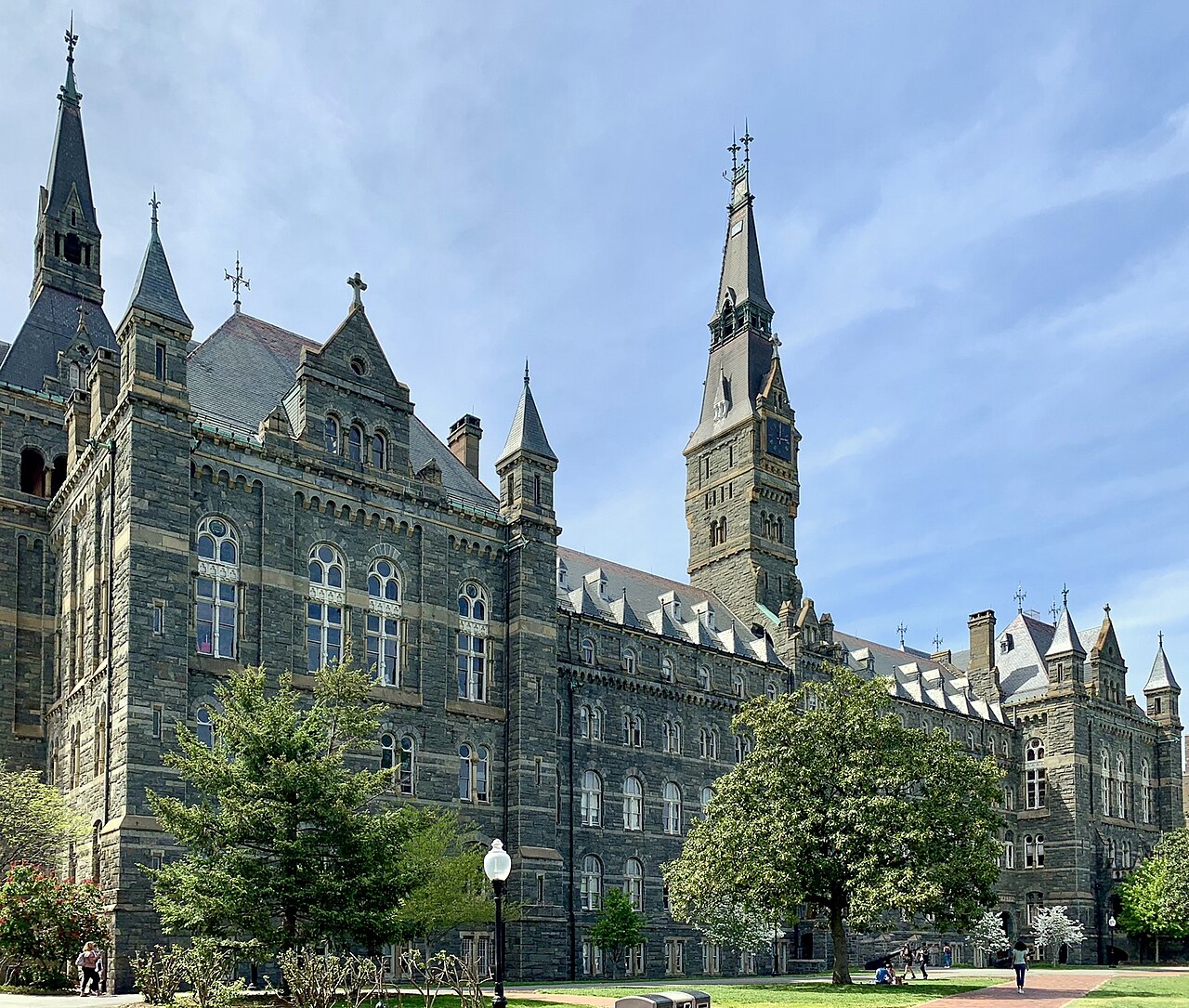
Washington, DC draws visitors in every month of the year, and for good reason. The city is home to dozens of free Smithsonian museums, an extensive network of National Park Service sites, and a walkable core that makes it accessible without a car. But the experience of being here changes considerably depending on the season. Understanding what each time of year actually feels like — the weather, the crowd levels, and the general rhythm of the city — helps you get the most out of your visit.
Spring: Popular for a Reason
Spring is the most heavily visited season in Washington, DC, and the draw is easy to understand. The city's famous cherry trees, planted around the Tidal Basin, bloom for a relatively brief window each year, typically somewhere between late March and mid-April depending on weather conditions. The bloom period attracts enormous crowds, and the National Mall can feel genuinely packed on peak weekends. If you're planning around the blossoms, arrive early in the day and consider visiting on a weekday if your schedule allows.
Beyond the trees, spring brings mild temperatures, longer daylight hours, and the kind of weather that makes outdoor exploration comfortable. The monuments and memorials along the Mall are especially pleasant to visit on foot during this period, and the outdoor spaces around the Capitol and Tidal Basin see steady activity. If you're working through a Washington 3-Day Itinerary, spring is a strong choice for covering a lot of ground without battling summer heat.
Keep in mind that spring also coincides with school group season. Organized field trips from across the country descend on the major museums and monuments from roughly mid-April through May, so popular indoor spaces can be crowded during midday hours on weekdays.

Summer: Busy and Hot
Summer is peak tourist season in Washington, DC. Families with school-age children make up a significant portion of the visitor base, and the city's free museum admission policy — most Smithsonian institutions charge nothing to enter, though you should verify current policies on official sites before visiting — makes it an attractive and relatively affordable destination for groups. The downside is that the heat and humidity can be genuinely intense. Washington, DC sits in a Mid-Atlantic climate zone, and the combination of summer sun on open pavement and high humidity can make extended time outdoors uncomfortable, especially midday.
That said, summer does have real advantages. Outdoor evening events, concerts on the Mall, and waterfront programming are common throughout the season. The city stays lively well into the evening, and the relatively late sunsets mean you can visit outdoor landmarks comfortably in the late afternoon. The area around the Top Landmarks in Washington — the Lincoln Memorial, Washington Monument, and surrounding grounds — is often at its most atmospheric right around dusk.
If you visit in summer, plan outdoor sightseeing for the morning or late afternoon, and use the indoor museum hours for the midday heat. The city's subway system connects major visitor areas efficiently, and contactless tap-to-pay is the standard way to pay for fares — check the transit authority's website for current fare information before your trip.
Fall: The Understated Sweet Spot
Many locals and frequent visitors consider fall the most enjoyable time to be in Washington, DC. The weather cools to comfortable levels, the summer crowds thin considerably after Labor Day, and the city's trees offer solid foliage color through October and into November. The pace of the city shifts slightly — Congress is typically back in session, lobbyists and policy staff are moving through the halls of the Capitol complex, and the restaurants and neighborhoods around Dupont Circle, Capitol Hill, and Adams Morgan settle into their regular rhythms.
For travelers, fall means shorter lines at major museums, easier reservations at popular dining spots, and more room to breathe on the National Mall. It's also a good season for neighborhood exploration. Washington, DC has distinct and walkable neighborhoods beyond the tourist core, and fall weather makes that kind of wandering genuinely pleasant. The Best Things To Do in Washington page covers options across the city, including areas that don't see the same foot traffic as the central monuments.
October tends to hold favorable weather longer than November, which can turn cold and rainy. If you have flexibility, earlier in the fall season is generally the more comfortable choice.
Winter: Quiet and Underrated
Winter is Washington, DC's least-visited season, and for visitors who don't mind cooler temperatures, that's actually a genuine advantage. The crowds at major museums drop to their lowest levels of the year, and the city's indoor cultural spaces — there are roughly 1,350 mapped attractions, museums, and historic sites across the area — become much easier to experience without fighting through organized tour groups.
The winter months also bring a particular energy to parts of the city. Holiday markets, ice skating opportunities, and seasonal programming around the Mall and Georgetown waterfront give the city some warmth during the colder stretch. January and February can bring snow or ice storms, which occasionally affect transit service and outdoor accessibility, so it's worth monitoring forecasts if you're traveling during those months.
For a Washington 1-Day Itinerary on a tight budget, winter is genuinely hard to beat — the free Smithsonian museums are accessible without the long entry queues of spring and summer, and indoor dining options are plentiful across the city's more than 4,400 restaurants and cafes.
Shoulder Seasons: The Practical Choice
If you're trying to balance good weather with manageable crowds, the shoulder periods — late February to early March and mid-September to October — are worth serious consideration. Late winter catches the city before the cherry blossom rush but after the slowest part of the visitor calendar, and you may get a mild preview of spring weather. Early fall, as noted above, is probably the strongest all-around option for most visitors.
Events happen throughout the year in Washington, DC, from outdoor cultural festivals in warmer months to film screenings, lecture series, and gallery openings that fill the fall and winter calendar. Rather than planning around a specific event, which can lead to disappointment if dates shift or programming changes, it's often better to choose your season based on weather and crowd preferences, then look into what's happening during your dates closer to your trip. The Washington FAQ and the Washington Travel Guide are useful starting points for general planning.
Practical Notes for Any Season
Regardless of when you visit, a few things hold across all seasons. Washington, DC is a walkable city in its core areas, but the distances between major sites are longer than they appear on a map. Comfortable shoes matter year-round. The Metro covers the major visitor corridors well, and surface bus routes fill in additional areas — tap-to-pay is standard on both. For dining, the city's restaurant scene spans well over four thousand options across every neighborhood and price range; the Where to Eat in Washington page covers the landscape in more detail.
As with any urban destination, ordinary awareness of your surroundings is sensible practice, particularly in less-trafficked areas after dark.
Whatever season you choose, Washington, DC rewards visitors who go beyond the immediate Mall area and take time to explore the neighborhoods that give the city its actual character alongside its civic monuments.