Petaluma Travel Guide: Things to Do, Landmarks, Food, and Itineraries

Petaluma sits in Sonoma County, an easy drive north of San Francisco along the edge of the Petaluma River, and it has built a reputation as a walkable base for exploring wine country without the more concentrated tourist crowds of towns farther north. With a population of around 59,321, Petaluma is large enough to support a genuine downtown restaurant and shopping scene but still compact enough to cover much of it on foot. Its brick warehouse buildings, riverfront pathways, and surrounding dairy-and-orchard countryside give the city a working-agricultural backdrop that shows up in its food, its seasonal markets, and its historic architecture.
This guide is a starting point. For deeper detail, use the linked sibling pages throughout: the Best Things To Do in Petaluma for a fuller activity rundown, Top Landmarks in Petaluma for historic sites, Where to Eat in Petaluma for dining overviews, and the Petaluma 1-Day Itinerary or Petaluma 3-Day Itinerary if you want a structured plan. The Best Time to Visit Petaluma page covers seasonal considerations, and the Petaluma FAQ answers common visitor questions.
Why Visit Petaluma
Petaluma's appeal is largely about pace and setting. The historic downtown, centered on brick commercial buildings dating to the late 1800s, has become a popular stop for visitors moving between San Francisco and the wine regions of Sonoma and Napa counties. Its riverfront, once a working shipping channel for the local dairy and poultry trade, now anchors a downtown of independent shops, cafes, and restaurants. The surrounding countryside, with its rolling hills and agricultural land, gives Petaluma a strong connection to the region's farming history, and that history is visible in the architecture, the seasonal food markets, and the number of farms open to visitors nearby.
The area also has meaningful ties to American film and television history, since Petaluma's Victorian-lined streets and downtown blocks have served as filming locations over the decades, a detail covered in more depth on the landmarks page.

Neighborhoods and Areas Worth Knowing
Downtown / Historic Petaluma is the core visitor area, built around Petaluma Boulevard and the river crossing at the Petaluma Turning Basin. This is where most shops, restaurants, and historic buildings are concentrated, and it's the most walkable part of the city.
The Petaluma River waterfront runs along and near downtown, with a public walking path in places. It's a good area for a slower pace after browsing downtown streets.
East Petaluma, across the river from the historic core, has a more residential and commercial character, with shopping centers and neighborhoods that give a sense of everyday life in the city rather than a visitor-focused district.
The surrounding countryside, including areas toward the coast and the agricultural land north and west of the city, is where many of the dairy farms, ranches, and rural roads that define the region's character are found. It's better explored by car and pairs well with a day built around the outdoors.
Things to Do at a Glance
Petaluma works well for visitors who like a mix of walkable downtown time and short countryside drives. Common activities include browsing the antique and specialty shops downtown, walking or cycling along the river, visiting seasonal farmers markets, and touring nearby dairy and agricultural operations that welcome visitors. History-minded travelers often spend time at the historic downtown core and at sites tied to the city's 19th-century commercial growth. The area is also within reach of several National Park Service units in the broader region, including sites connected to Point Reyes and the Golden Gate National Recreation Area system; check official National Park Service pages for current visitor information before planning a trip out to any of them. For a more complete list of activities organized by interest, see the Best Things To Do in Petaluma page, and for historic sites specifically, see Top Landmarks in Petaluma.
Where to Eat
Petaluma's dining scene reflects its agricultural surroundings, with a number of restaurants built around locally sourced dairy, produce, and meat. Downtown has a concentration of cafes, bakeries, and sit-down restaurants within walking distance of one another, making it easy to pair a meal with browsing nearby shops. Beyond downtown, you'll find casual spots geared toward families and quick meals, as well as venues connected to the area's brewing and food-production history. For a fuller overview organized by cuisine and setting, visit Where to Eat in Petaluma.
Getting Around
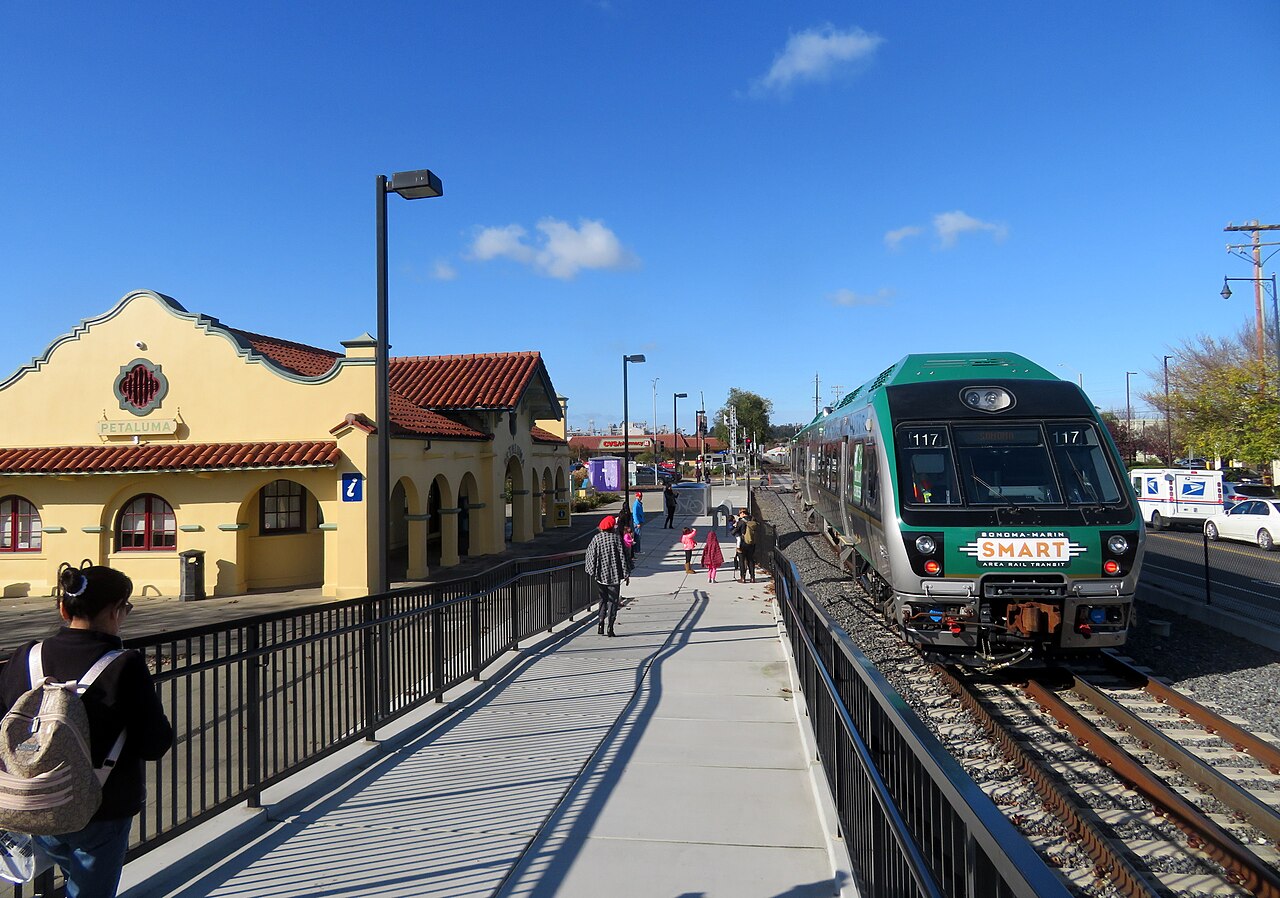
Most visitors arrive by car, since Petaluma sits just off Highway 101 and is a manageable drive from the greater San Francisco Bay Area. Downtown Petaluma is compact enough to explore on foot once you've parked, and many of the shops, restaurants, and historic buildings sit within a few blocks of each other. Regional bus service connects Petaluma to nearby Sonoma County communities, and commuter rail service links the city toward the North Bay and, with connections, toward San Francisco; if you plan to use public transit, check current route maps and look for contactless tap-to-pay options rather than relying on older fare systems. Bicycling is a reasonable way to cover more ground, particularly along the riverfront paths, though helmets and normal road awareness are advisable since not all corridors have dedicated bike lanes.
Parking Considerations
Downtown Petaluma has a mix of on-street parking and public lots, and availability can tighten during weekend mornings, farmers market days, or local events. As with any downtown core, check posted signage for time limits and any posted restrictions, and confirm current rates and rules on the city's official parking pages rather than assuming they match past visits, since these details are subject to change.
Visitor Tips
Petaluma's downtown is generally comfortable to explore on foot during the day, but it's worth using the same ordinary-urban-awareness habits you'd use in any small city: keep valuables out of sight in parked cars, stay alert around the riverfront after dark, and check current conditions before heading out to more remote countryside roads, especially in wet winter weather when some rural routes can be affected by flooding or fog. Layers are a good idea year-round, since coastal fog and inland warmth can both show up in the same day depending on the season; see the Best Time to Visit Petaluma page for a fuller seasonal breakdown.
Family Tips
Petaluma's walkable downtown, farm visits, and river paths make it a workable stop for families with kids of a range of ages. Look for family-friendly restaurant options downtown, and consider pacing a day around one major activity, like a farm tour or a river walk, rather than packing in too much driving between stops. If you're combining Petaluma with a broader Sonoma County trip, the Petaluma 1-Day Itinerary offers a sample schedule that balances walking time with car travel, while the Petaluma 3-Day Itinerary spreads things out for a more relaxed pace.
Frequently Asked Questions
Is Petaluma worth visiting on its own, or only as a stop between San Francisco and wine country? Many visitors treat it as a stop along the way, but its downtown and riverfront have enough to fill a half-day or full day on their own, particularly for travelers interested in historic architecture and locally focused food.
How many days should I plan for? A single day is enough to cover the core downtown and a nearby farm or park visit, but a longer stay allows time for the surrounding countryside and coastal areas. Compare the 1-Day and 3-Day itineraries to decide what fits your schedule.
Do I need a car? A car makes it far easier to reach farms, coastal areas, and other countryside sites around Petaluma, though downtown itself is walkable once you've arrived.
For more specifics, including answers to common logistics questions, see the Petaluma FAQ.