Best Things To Do in Petaluma

Petaluma, California, sits in Sonoma County along a tidal river that once made it a working port for dairy and poultry shipments, and that river still shapes much of what visitors do here today. The town's downtown core, ironwork storefronts, and surrounding farmland give it a layered identity: part agricultural hub, part small-city arts scene, part outdoor destination. This guide organizes activities by interest and by whether they're free to enjoy or involve a ticketed component, so you can plan a visit around what matters most to you. For a broader orientation, see the full Petaluma Travel Guide: Things to Do, Landmarks, Food, and Itineraries.
Parks and Outdoor Spaces
Petaluma's outdoor options range from riverside paths to open hillside preserves, and most of these are free to access.
Shollenberger Park and the adjacent Ellis Creek Water Recycling Facility trails form a popular network of flat, easy walking paths through wetlands on the edge of town. Birdwatchers frequent this area, since the seasonal marshes attract a range of waterfowl and shorebirds. Nearby, Alman Marsh connects into the same trail system, making it possible to string together a longer loop without backtracking.
For more elevation and a different kind of landscape, Helen Putnam Regional Park on the western edge of town offers oak woodland and grassland trails with views back toward the Petaluma Valley. It's commonly visited by hikers, trail runners, and people walking dogs, and it tends to be quieter than the riverside parks.
Closer to downtown, Lucchesi Park is a general-purpose community park with open lawn space, a small lake, and paths that make it a reasonable stop for a break between other activities. Walnut Park, one of the city's older green spaces, sits within easy walking distance of the historic downtown and works well as a rest point during a walking tour.
Waterfront and River Views
The Petaluma River is central to the city's identity and offers some of the more distinctive views in town. The Turning Basin downtown, where the river was historically used for shipping, is now lined with a walkway and small marina area that's worth considering for an easy stroll, especially around sunset. Watching working boats and kayakers share the water with pleasure craft gives a sense of the river's continued dual role.
Kayak and paddleboard rentals operate seasonally along the river, offering a way to see the historic warehouses and ironfront buildings from the water. Because operating seasons and conditions vary, check current listings before planning a trip on the water.
Museums and Culture
Petaluma's cultural offerings lean toward small, focused institutions rather than large museum complexes, which makes them approachable for a shorter visit.
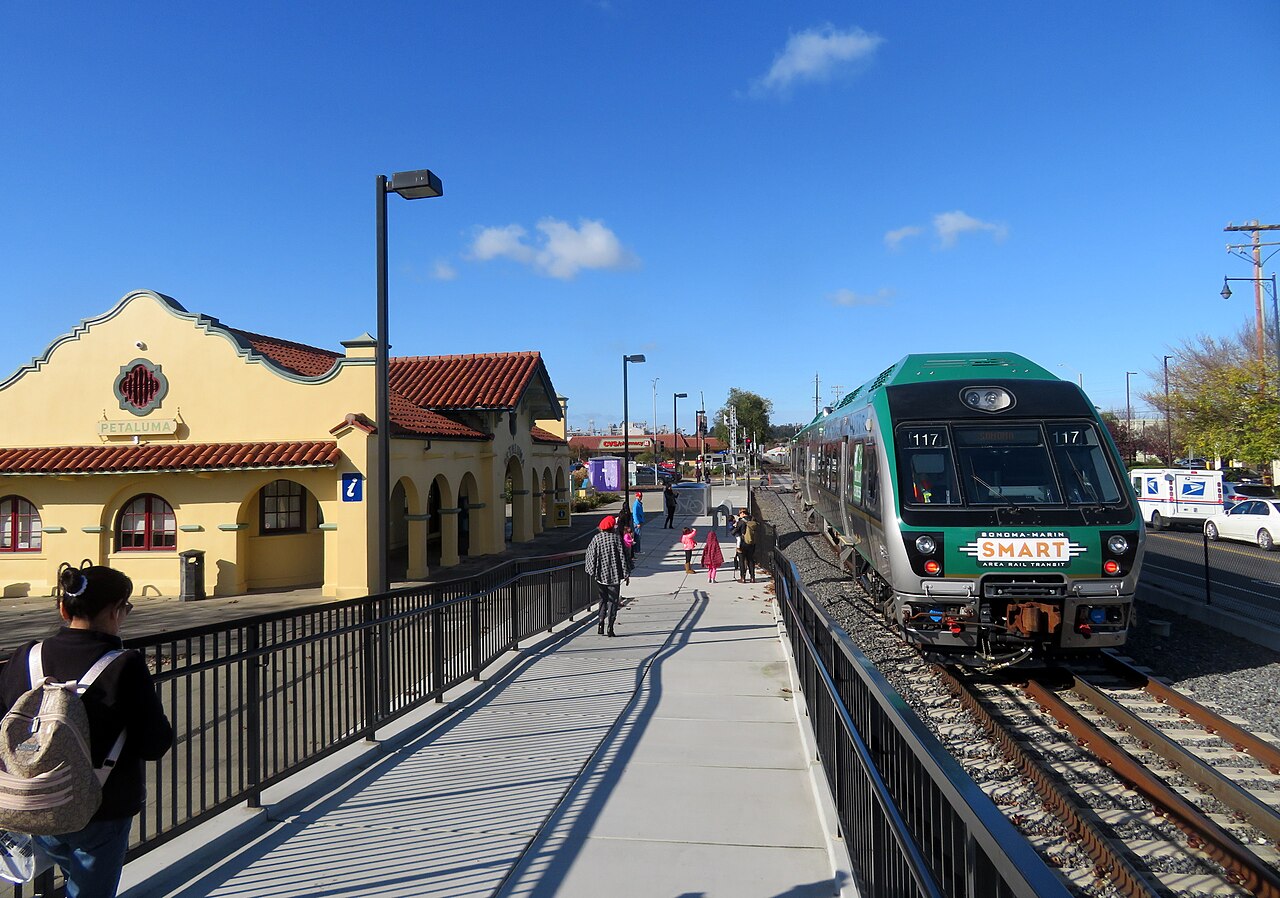
The Petaluma Historical Library & Museum, housed in a domed Carnegie library building downtown, covers the city's dairy, poultry, and river-trade history through rotating exhibits. It's a ticketed or donation-based stop depending on current policy, so check the official site for current visitor information. The Petaluma Arts Center, located in a converted train depot, focuses on contemporary regional artists and typically rotates its exhibitions, meaning the experience varies visit to visit.
Smaller galleries are scattered through the downtown core, particularly along Kentucky Street and Petaluma Boulevard, and many participate in periodic gallery walks. Because event schedules shift, it's worth checking local listings or the Petaluma FAQ for guidance on timing a visit around cultural events.
Historic Sites and Architecture
Petaluma's downtown is known for one of the more intact collections of late 19th-century ironfront commercial buildings in California, a result of the city rebuilding in brick and iron after early fires. Walking Petaluma Boulevard and the surrounding blocks gives a concentrated look at this architecture, and many of the storefronts now house independent shops and restaurants rather than their original businesses.
A short drive from downtown, Petaluma Adobe State Historic Park preserves a 19th-century rancho building connected to the region's Mexican-era land grant history. It's a relevant stop for visitors interested in California's pre-statehood period, and as with any state historic park, checking current visitor information before going is recommended.
For a full rundown of specific sites, the Top Landmarks in Petaluma page goes into more depth on individual buildings and their backgrounds.
Neighborhoods to Wander
Beyond individual sites, Petaluma rewards unstructured walking. The Downtown/Historic District combines the ironfront commercial blocks with side streets of Victorian homes, and it's compact enough to cover on foot in a couple of hours. The Oak Hill–Brewster neighborhood, just north of downtown, is known for its concentration of well-preserved Victorian and early 20th-century houses and makes for a quieter architectural walk once you've seen the commercial core.
East Petaluma, across the river, has a more industrial and working-class residential character, with some older warehouse buildings that hint at the city's shipping-era economy.
Planning Your Visit
Because Petaluma mixes free outdoor space with a handful of ticketed cultural sites, it's a manageable destination for a single day or worth extending into a multi-day trip. The Petaluma 1-Day Itinerary lays out a compact route through downtown and the riverfront, while the Petaluma 3-Day Itinerary folds in the parks, historic park sites, and more time for wandering neighborhoods.
Given Petaluma's mild coastal-influenced climate, conditions vary meaningfully by season for outdoor activities like river paddling and hiking; the Best Time to Visit Petaluma page covers those seasonal differences in more detail. For food options to pair with a day of sightseeing, see Where to Eat in Petaluma, which covers the range of casual and sit-down options downtown and along the riverfront.
As with any city, ordinary urban awareness is reasonable when walking downtown areas at night or exploring less-trafficked park trails alone, and checking current conditions and any posted advisories before heading out on the water is a sensible precaution.