Newark Travel Guide: Things to Do, Landmarks, Food, and Itineraries

Newark, New Jersey sits a short train ride from Manhattan, near the Passaic River and Newark Bay, and functions as one of the primary gateways to the New York metropolitan area, thanks in large part to Newark Liberty International Airport. But the city is also a destination in its own right, with a downtown arts scene, a historic waterfront-adjacent core, and a population of roughly 307,188 residents (2024 ACS 5-Year Estimate) that reflects a long history as a manufacturing, transportation, and immigration hub. Visitors passing through on their way elsewhere, and those planning a dedicated stay, will find a city with enough museums, historic architecture, and neighborhood dining to fill a full day or more.
This guide is a starting point. For deeper detail on specific parts of a Newark visit, use the linked pages throughout, including the Newark FAQ for quick answers to common visitor questions.
Why Visit Newark
Newark's appeal for travelers comes from a combination of accessibility and density of things to see. The city is served by major train lines, making it an easy add-on for anyone already visiting the New York area, and its downtown core is compact enough to explore on foot. The area is home to an estimated 1,001 mapped attractions, museums, and historic sites, ranging from grand civic architecture to smaller neighborhood institutions, plus around 4,210 mapped restaurants and cafes that reflect the city's varied immigrant communities and culinary traditions. That density means a short visit can still cover a meaningful cross-section of what the city offers, while a multi-day stay allows for a more relaxed pace through several neighborhoods.
Newark has a median age of 34.8 (2024 ACS 5-Year Estimate), with median rents reported in recent Census estimates (2024 ACS 5-Year Estimate). The city also has an active local scene of independent restaurants, performance venues, and community events, which gives it a different rhythm than its more heavily touristed neighbors across the river.

Neighborhoods and Areas Worth Knowing
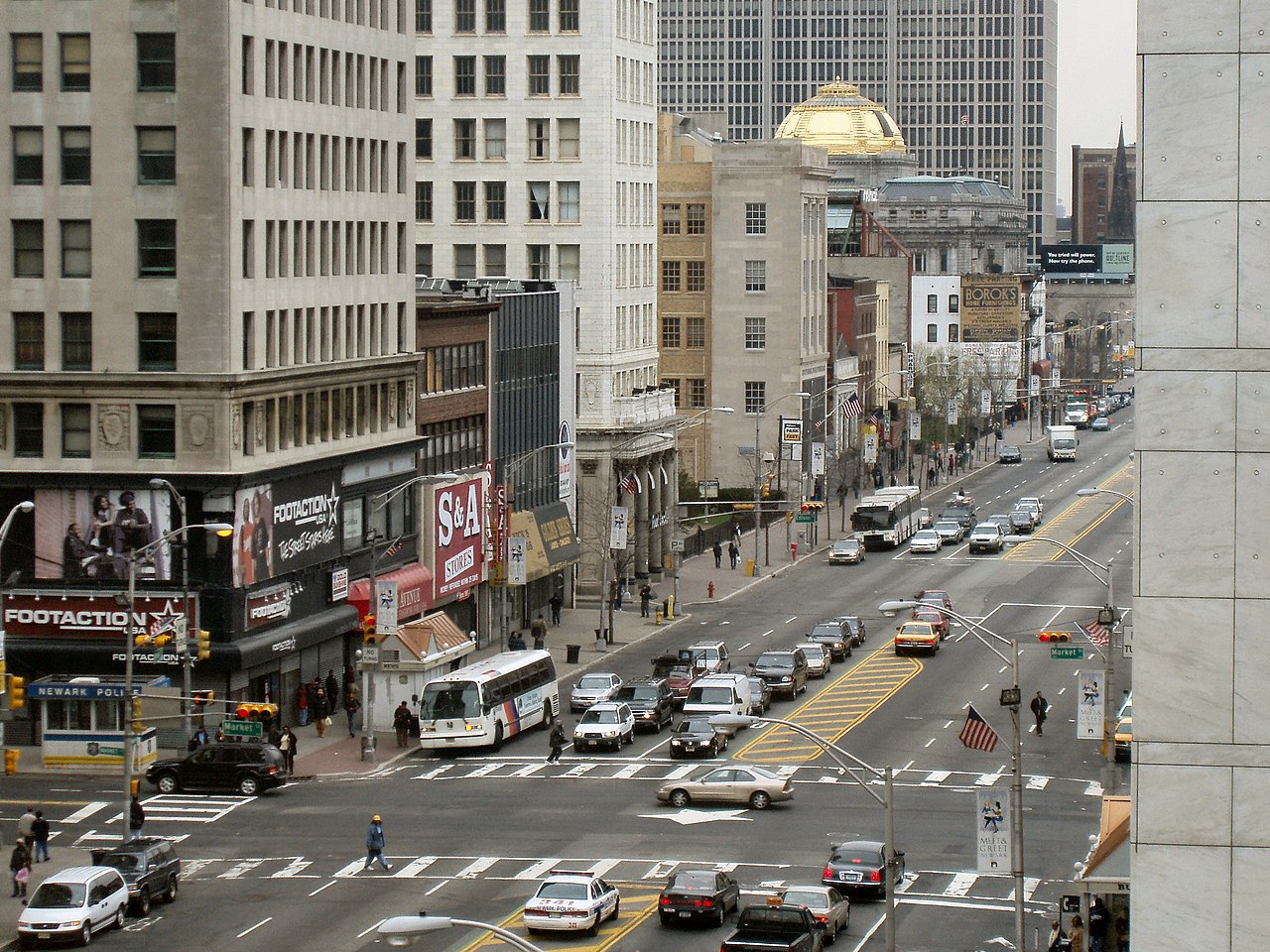
Downtown Newark is the natural starting point for most visitors. It's home to the city's largest concentration of civic buildings, museums, and performance venues, along with Newark Penn Station, which anchors most transit connections into the city. Much of downtown is walkable, and it's a reasonable base for a first-time visit.
The Ironbound District, sometimes called Down Neck, is known for its Portuguese and Brazilian dining scene and lively street life, particularly along Ferry Street. It's one of the more popular areas for visitors specifically interested in food.
University Heights encompasses the campuses of several higher-education institutions and brings a younger, more student-oriented energy to that part of the city, with cafes and casual dining geared toward that population.
The North Ward and Branch Brook Park area offer green space and a more residential feel, useful for visitors who want a break from downtown's denser blocks. Branch Brook Park itself is a well-known city park with seasonal appeal.
Each of these areas connects easily to the others by bus, rideshare, or a short walk from downtown, so it's practical to combine two or three neighborhoods even on a single-day visit.
Things to Do
Newark's cultural institutions cover a wide range of interests, from fine art to science to performance. Given the number of mapped attractions and historic sites in the area, a first pass at planning should focus on matching interests to neighborhoods rather than trying to cover everything at once. For a full rundown organized by category and audience, see Best Things To Do in Newark.
Newark's civic and religious architecture is a notable draw as well, including landmark buildings that reflect the city's late 19th- and early 20th-century growth. A dedicated breakdown of the city's most well-known structures, including historic churches, courthouses, and civic monuments, is available at Top Landmarks in Newark.
Outdoor space is easy to find too. Branch Brook Park, one of the older county parks in the country, offers walking paths and seasonal scenery, while smaller downtown plazas provide places to rest between stops on foot.
Where to Eat
With around 4,210 mapped restaurants and cafes, Newark's dining scene is large enough that visitors benefit from narrowing by neighborhood and cuisine rather than trying to browse at random. The Ironbound District is especially well known for its Portuguese and Brazilian restaurants, seafood-focused menus, and bakeries, and it's a popular stop for visitors specifically planning a meal out. Downtown offers a broader mix, including options convenient to the arts and civic buildings, while University Heights leans toward casual and budget-friendly spots suited to a quick bite between sightseeing stops.
For a more complete overview of where to eat by neighborhood and cuisine type, visit Where to Eat in Newark. As with any city, it's worth checking current hours and reservation policies directly with individual restaurants before visiting, since these can change.
Getting Around
Newark is served by regional and local train lines, a light rail system, and local bus routes, all of which connect reasonably well to downtown and to Newark Penn Station. Some of these systems may support contactless tap-to-pay for fare payment, but fare payment methods can change, so it's worth confirming current options directly with NJ Transit or the relevant operating agency before you travel. Because specific fares, passes, and route schedules are also subject to change, it's best to check the official transit agency site for current information before a trip rather than relying on older published figures.
Within downtown and neighborhoods like the Ironbound, walking is often the most practical way to get around, especially for a single-day visit focused on a compact area. For trips between more distant neighborhoods, or for visitors connecting to and from Newark Liberty International Airport, rideshare services and local trains are both common options.
Parking Considerations
Parking in Newark varies significantly by neighborhood and time of day. Downtown areas near major venues and government buildings tend to have the most competition for street parking, particularly around events, while neighborhoods like the Ironbound can be easier for short visits outside of peak dining hours. Garage parking is available in and around downtown for visitors who prefer not to search for street spots. Because posted rates, permit rules, and enforcement hours can change, it's worth checking signage on-site or the relevant municipal parking authority page rather than assuming older information still applies.
Visitors arriving by car for a single attraction, such as a museum or performance venue, should check whether that specific venue offers on-site or validated parking, since this varies by location.
Visitor Tips
Ordinary urban awareness applies in Newark as it would in any similarly sized U.S. city: stay attentive in unfamiliar areas, keep valuables secured, and use well-lit, active streets when walking at night. Downtown and the Ironbound District tend to have consistent foot traffic during the day and into the evening, particularly around dining and entertainment venues.
Because Newark functions as a transit hub, it's common for visitors to pass through on a layover or short connection. Even a few hours are enough to see a landmark or two and grab a meal, particularly in areas close to Newark Penn Station. For those with more time, spacing out museum visits, neighborhood walks, and meals across a full day or a multi-day stay tends to work better than trying to concentrate everything downtown.
Family Tips
Families visiting Newark will find that many of the city's museums and cultural institutions offer programming suited to a range of ages, though it's worth checking each venue's website in advance for family-specific exhibits or activities, since these can change seasonally. Outdoor spaces like Branch Brook Park provide open areas for kids to move around between more structured stops. As with any city, keeping an eye on younger children in busy transit stations and along active streets is a reasonable precaution, and mapping out restroom and food stops in advance can make a day easier to manage with kids in tow.
Suggested Itineraries
For visitors deciding how to structure their time, two ready-made itineraries can help:
- The Newark 1-Day Itinerary is built for travelers with limited time, such as those on a layover or a brief stop between other plans, and focuses on a compact, walkable route through downtown's highlights.
- The Newark 3-Day Itinerary spreads visits across multiple neighborhoods, allowing time for museums, landmark architecture, and a more thorough look at the city's dining scene, including the Ironbound District.
Best Time to Visit
Newark's appeal shifts somewhat with the seasons, particularly around outdoor spaces like Branch Brook Park and any seasonal events downtown. For guidance on weather patterns, seasonal considerations, and how they might affect a visit, see Best Time to Visit Newark.
Planning Ahead
Newark rewards a bit of upfront planning, mostly because its attractions, dining scene, and neighborhoods are spread widely enough that a random walk downtown won't capture everything the city offers. Starting with the Best Things To Do in Newark and Top Landmarks in Newark pages, then layering in a meal plan from Where to Eat in Newark, gives most visitors a solid framework. From there, the Newark FAQ can help answer more specific logistical questions that come up while finalizing a trip.