New Orleans 3-Day Itinerary
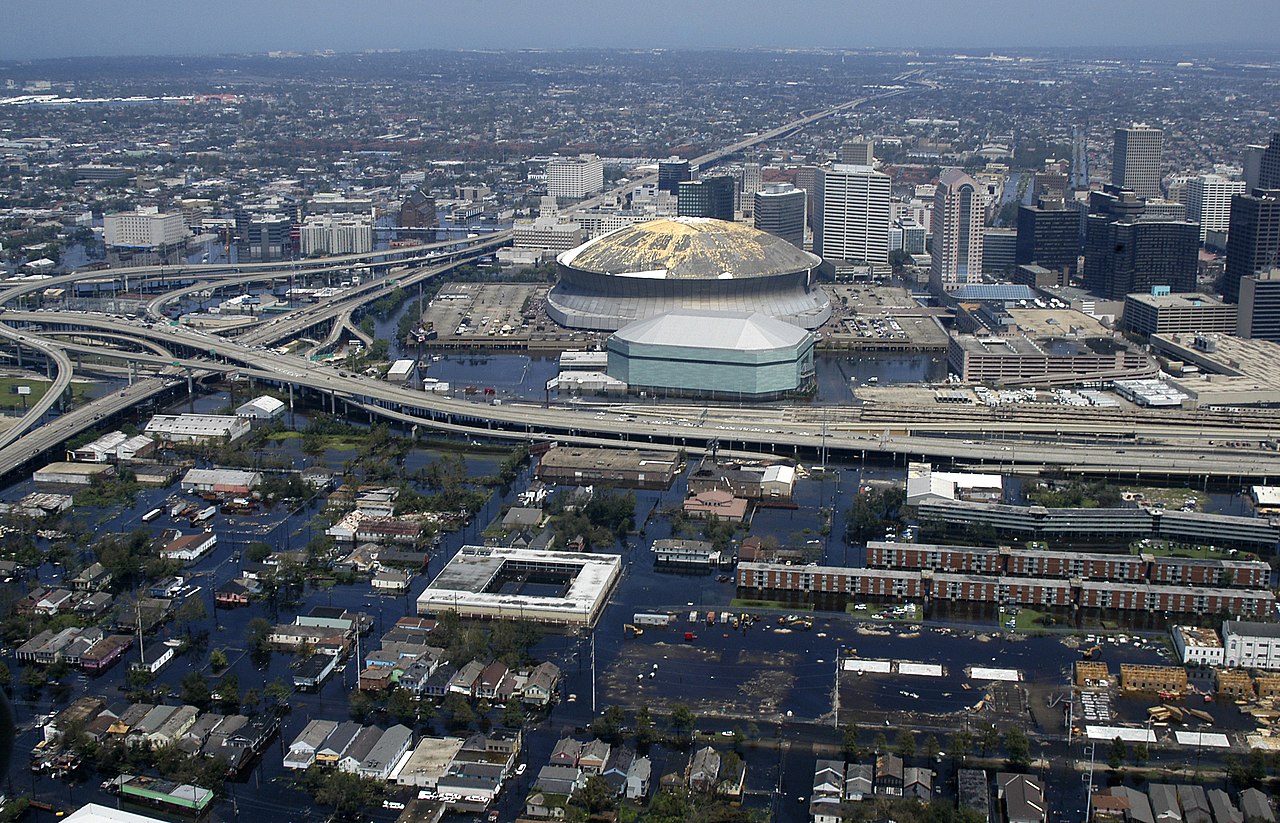
New Orleans, Louisiana rewards time. With a population of around 376,000 and a geography shaped by the Mississippi River and the surrounding wetlands, the city packs a concentrated range of architectural styles, distinct neighborhoods, and cultural institutions into a relatively walkable footprint — especially in and around the historic core. Three days gives you enough room to move through different parts of the city without feeling rushed.
This itinerary divides New Orleans into three themed days: the first anchored in the French Quarter and along the riverfront, the second moving through Uptown and the arts districts, and the third focused on parks, bayous, and an optional excursion into the surrounding landscape. If you're only in town for a shorter visit, see the New Orleans 1-Day Itinerary for a condensed version.
For a broader orientation before you arrive, the New Orleans Travel Guide: Things to Do, Landmarks, Food, and Itineraries covers logistics, neighborhoods, and general planning basics.
Day 1: The French Quarter and the Riverfront
The French Quarter is where most first-time visitors to New Orleans begin, and it earns that position — the neighborhood concentrates some of the city's most recognizable architecture and public spaces within about a square mile. The street grid, ironwork balconies, and low-rise building scale give it a look that stands apart from most American cities.
Morning: Jackson Square and the Cathedral District
Start at Jackson Square, the open plaza at the heart of the French Quarter facing the Mississippi River. St. Louis Cathedral anchors the upper end of the square — one of the oldest continuously active cathedrals in the United States — and is flanked by the Cabildo and the Presbytère, two Louisiana State Museum buildings that hold collections related to the state's history and culture. Check the Louisiana State Museum's website for current hours and admission before visiting either building.
Street performers and artists set up along the square's perimeter throughout the day, making it a lively place to orient yourself before heading deeper into the neighborhood.
Midday: Royal Street and Café Du Monde
Walk north from the square along Royal Street rather than Bourbon Street for a quieter look at the Quarter. Royal Street runs through a stretch of galleries, antique dealers, and well-maintained townhouses. The residential blocks further into the neighborhood, away from the main tourist corridor, are worth exploring on foot.
Café Du Monde on Decatur Street, just off the square, is among the most widely recognized spots in New Orleans — an open-air café known for beignets and café au lait. Check current hours on their official site, as it draws steady crowds throughout the day. The nearby French Market, which stretches along Decatur Street, is also worth a walk-through for local goods and produce.
Afternoon: The Riverfront and the New Orleans Jazz National Historical Park
From Café Du Monde, the Mississippi River levee is a short walk. The river sits notably higher than the surrounding city here — one of the more striking geographic features of New Orleans — and the view across to Algiers Point is clear on most days. Crescent Park, accessible from the Marigny side of the riverfront, offers a longer walk with good sight lines upstream and down.
The New Orleans Jazz National Historical Park has a visitor center in the French Quarter. The park is dedicated to the origins and development of jazz in the city and offers programming that varies by season. Check the NPS website for current schedules and any applicable fees before visiting.
Evening: Frenchmen Street
Frenchmen Street, just outside the French Quarter in the adjacent Marigny neighborhood, is where a significant portion of the city's live music scene plays out on any given night. The street has a cluster of bars and small venues with nightly performances across jazz, funk, brass band, and other styles. The scene tends to get going later in the evening. Cover charges and policies vary by venue, so check directly with individual clubs when you arrive.
Day 2: Garden District, Magazine Street, and the Warehouse Arts District
The second day moves from the residential character of Uptown into the arts and museum concentration near the Central Business District — two very different registers of the city that are closer together than they might seem on a map.
Morning: Garden District by Streetcar
The St. Charles Avenue streetcar is one of the oldest continuously operating streetcar lines in the country and a practical way to reach the Garden District from the downtown core. It runs from Canal Street through the Central Business District and up St. Charles Avenue into Uptown. Check the Regional Transit Authority's website for current schedules and fares before boarding.
The Garden District is known for its 19th-century architecture — large wood-frame houses on wide lots along streets like Prytania, Coliseum, and Chestnut. Lafayette Cemetery No. 1, on Washington Avenue, is a historic above-ground cemetery accessible to visitors; confirm current access and any tour requirements before going. Walking the neighborhood at a slow pace is itself the activity.
Midday: Magazine Street
Magazine Street runs parallel to St. Charles Avenue through Uptown over several miles and is lined with independent shops, cafés, and restaurants. The character of the street shifts as you move from block to block — some stretches are quiet and residential, others are more active with retail and dining. It's a reasonable place to spend a couple of hours and stop for lunch.
Afternoon: Warehouse Arts District
The Warehouse District — also called the Arts District — sits between the Central Business District and the river, and houses a notable concentration of museums. The National WWII Museum is one of the most-visited attractions in New Orleans, covering the American experience of the Second World War across multiple large pavilions. Plan for a significant amount of time here. Check the museum's official site for admission details, current hours, and any timed entry requirements.
Nearby, the Ogden Museum of Southern Art focuses on work from across the American South and covers a range of media and time periods. Check their website for current hours and admission costs.
Evening: Bywater or Frenchmen Street
A second evening on Frenchmen Street is a reasonable choice if live music is a priority. The Bywater neighborhood, further along the river from the Marigny, has a quieter, more local character with bars and restaurants that see somewhat fewer tourists. Either makes for a low-key way to end the day.
Day 3: City Park, Bayou St. John, and Outdoor Options
The third day moves away from the historic core and into the city's green spaces, with an option to reach outside New Orleans entirely into the surrounding wetland landscape.
Morning: City Park and the New Orleans Museum of Art
City Park covers around 1,300 acres in the northern part of New Orleans and is among the larger urban parks in the country. It contains lagoons, stands of live oaks that are several centuries old, and a range of recreational facilities. The New Orleans Museum of Art (NOMA) sits at the park's primary entrance and holds a permanent collection of several thousand works spanning multiple centuries and media. Adjacent to the museum is the Sydney and Walda Besthoff Sculpture Garden, an outdoor space with sculpture spread across several acres of grounds. Both are worth a visit — check current admission and hours on NOMA's website before going.
Midday: Bayou St. John
Bayou St. John is a narrow waterway running through the Mid-City neighborhood just south of City Park. The surrounding streets have the feel of a working residential neighborhood, and the bayou banks are a common spot for locals to walk, cycle, or sit along the water. Moss Street and the adjacent blocks have a handful of neighborhood cafés and restaurants, and the area provides a useful change of pace from the more tourist-oriented parts of New Orleans.
Afternoon: Audubon Park or Jean Lafitte
For the afternoon, two options are worth considering depending on your transportation and interests:
Audubon Park (in Uptown, along the river bend) is a well-used city park with a large walking loop, mature trees, and a small lagoon. It offers a slower afternoon with space to walk or sit. The Audubon Zoo is located within the park and focuses on Louisiana wildlife alongside a broader range of exhibits. Check the zoo's website for current admission and hours.
Jean Lafitte National Historical Park and Preserve — specifically the Barataria Preserve, located roughly 30 miles southwest of New Orleans — offers trail access into Louisiana's coastal wetlands. The preserve has several miles of boardwalk and elevated trail through swamp and marsh habitat, and it represents a landscape that is genuinely unlike anything within the city itself. It is one of two National Park Service units serving the New Orleans area. Check nps.gov for current trail conditions, visitor center hours, and any fees before making the drive.
The Jean Lafitte option requires a car; public transit does not serve the Barataria Preserve. If you're relying on buses and the streetcar throughout your stay, Audubon Park is the more practical afternoon choice.
Getting Around New Orleans
New Orleans is walkable within individual neighborhoods but has meaningful distances between them. The Regional Transit Authority operates bus routes and the St. Charles Avenue streetcar; check their website for routes, schedules, and current fares before traveling. Rideshare services are widely available and often the most practical option for cross-city trips.
Driving into the French Quarter is generally not recommended — parking is limited, streets are narrow, and traffic around events can become significant. For most of the days outlined above, a combination of walking, the streetcar, and rideshare will cover the ground effectively.
Where to Eat
New Orleans has a distinct local food culture with a range of dishes — from gumbo and red beans and rice to po'boys and muffulettas — that are genuinely regional and worth seeking out. The city has roughly 139 mapped restaurants and cafés spread across its neighborhoods and various price points.
For a full overview of dining areas and what to expect in each part of the city, see Where to Eat in New Orleans.
Practical Tips
- Timing your trip: New Orleans has a warm, humid climate and distinct festival seasons that affect crowds, hotel prices, and the overall character of the city. See Best Time to Visit New Orleans for a seasonal breakdown.
- Street awareness: New Orleans is a large city, and ordinary urban awareness applies throughout — especially late at night or in less-trafficked areas. The French Quarter and Frenchmen Street can be very active late into the evening; exercise the same level of situational awareness you would in any dense urban environment.
- Attractions and advance tickets: New Orleans has around 74 mapped attractions, museums, and historic sites in and around the city. A number of the more popular ones require advance ticket purchases or timed entry — always check official websites before you go. See Best Things To Do in New Orleans and Top Landmarks in New Orleans for broader overviews.
- Common questions: The New Orleans FAQ covers frequently asked planning questions including transportation, timing, and neighborhood basics.
Three days in New Orleans covers a meaningful amount of ground without forcing a hurried pace. The French Quarter is dense and oriented toward visitors; the Garden District is quieter and residential; City Park and the bayou feel considerably more local. Moving between those different registers over three days gives a fuller picture of how New Orleans actually fits together as a city.