Best Things To Do in New Orleans

New Orleans, Louisiana sits at a distinct crossroads of American history, architecture, and street life that draws visitors from across the country year-round. With a city population of around 376,000 and dozens of mapped attractions and cultural sites, there is enough range here to fill a long weekend or more without revisiting the same block twice. Whether you prefer spending your time outdoors, inside museums, or simply wandering a well-preserved neighborhood on foot, New Orleans, LA offers a broader menu of experiences than its most photographed blocks suggest.
This guide organizes what to do in New Orleans by interest and by cost — free and low-cost options alongside ticketed experiences — so you can plan according to your schedule and budget. For a full day-by-day framework, see the New Orleans 1-Day Itinerary or the New Orleans 3-Day Itinerary.
Historic Neighborhoods to Wander
The French Quarter
The French Quarter is the oldest neighborhood in New Orleans and the area most first-time visitors anchor their trip around. The street grid is compact and walkable, and most of what makes it interesting — the ironwork balconies, the narrow Creole townhouses, the street musicians on corners — is visible from the sidewalk at no cost.
Royal Street is worth a slow walk for its galleries and architecture. Jackson Square, the central plaza, is a free outdoor gathering point flanked by the St. Louis Cathedral and the Pontalba Buildings, two of the oldest apartment buildings in the United States. Artists and tarot readers set up along the square's iron fence most days.
Bourbon Street is the loudest, most commercially active corridor in the Quarter and is openly oriented toward nightlife. It is worth seeing, but the parallel streets — Dauphine, Burgundy, Chartres — give a better sense of how the neighborhood actually functions as a place to live and linger.
The Garden District
Across Canal Street from the Quarter, the Garden District is a 19th-century residential neighborhood known for its large Greek Revival and Italianate mansions set behind deep front gardens. Magazine Street cuts through the area and carries a long stretch of independent shops, cafes, and galleries that make for a good afternoon on foot.
The Garden District is primarily a walking neighborhood. No single landmark anchors it — the point is the architecture and the street-level detail.
Faubourg Marigny and Treme
Immediately downriver from the French Quarter, Faubourg Marigny is a close-knit residential neighborhood with a strong presence of live music venues, particularly along Frenchmen Street. Treme, just north of the Quarter, is one of the oldest African American neighborhoods in the country and has deep connections to New Orleans jazz history. Both areas reward a slow walk and are generally explored on foot from the Quarter.
Parks and Outdoor Spaces
City Park
City Park is one of the larger urban parks in the United States and sits a few miles from the Quarter via streetcar or ride-share. The park itself is free to enter and includes lagoons, walking and cycling paths, a botanical garden, and the New Orleans Sculpture Garden — a large permanent outdoor collection open to the public without charge. The New Orleans Museum of Art is located inside the park and requires a separate ticket; check the museum's official site for current hours and admission details.
Audubon Park
Audubon Park occupies a long stretch of the Uptown neighborhood near Tulane and Loyola universities. It is a free, open green space with a 1.8-mile loop road popular with joggers and cyclists, a small lagoon, and mature live oak canopy throughout. The adjacent Audubon Zoo is a separately ticketed attraction — confirm current rates and hours directly with the zoo.
Woldenberg Riverfront Park and Crescent Park
Woldenberg Riverfront Park runs along the Mississippi River at the edge of the French Quarter and is free to access. It offers an unobstructed view of the river and a place to sit and watch barge traffic on the water. Downstream, Crescent Park is a longer linear park along the river in the Bywater and Marigny neighborhoods, accessible via a pedestrian bridge. Both parks are well-used during daylight and give visitors a sense of New Orleans' relationship to the Mississippi.
Museums and Cultural Sites
The National WWII Museum
The National WWII Museum is one of the most extensively developed history museums in the country and draws visitors well beyond those with a specific interest in military history. It occupies several connected pavilions in the Warehouse District, and the scope of the collection is substantial. Plan for at least a half-day. Check the museum's official website for current admission pricing, hours, and any timed-entry requirements.
The Cabildo and The Presbytere
The Cabildo and the Presbytere are side-by-side historic buildings flanking the St. Louis Cathedral on Jackson Square and are part of the Louisiana State Museum system. The Cabildo is the site where the Louisiana Purchase was transferred in 1803; both buildings now function as history museums. Admission is ticketed — confirm current details on the Louisiana State Museum's official site.
New Orleans Jazz National Historical Park
The New Orleans Jazz National Historical Park is one of two National Park Service sites in or near the city and is free to visit. Rangers offer regular programming around the history and cultural roots of jazz in New Orleans. Check the NPS website for current programming schedules and ranger talk times, as these can vary by season.
Jean Lafitte National Historical Park and Preserve
Jean Lafitte National Historical Park and Preserve is the second NPS site with a presence in the New Orleans area. Its French Quarter Visitor Center provides historical context on the city and the surrounding region's natural and cultural landscape. The park also manages sites beyond the city limits, including wetland trails and a battlefield site; check the NPS website for directions and any seasonal access notes.
Waterfront and Views
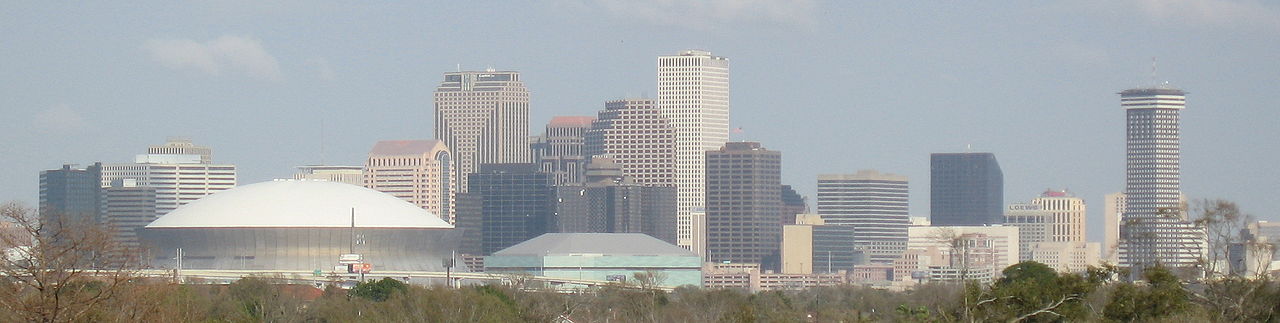
The Mississippi River is present throughout any visit to New Orleans, but a few spots offer particularly good vantage points. The levee at Woldenberg Riverfront Park puts you at river level, and the river is active with commercial traffic throughout the day and evening. For a different perspective, the ferry to Algiers Point crosses the Mississippi in a few minutes and is run by the regional transit authority — check the current schedule and fare on the RTA's official site. Algiers Point itself is a quiet residential neighborhood with good views back across the river toward the French Quarter skyline.
Practical Considerations
Getting Around
The French Quarter and adjacent neighborhoods are genuinely walkable. The regional transit authority operates bus routes and the St. Charles streetcar line, which connects the Quarter to Uptown and City Park. Fares are paid by contactless methods or transit cards purchased at machines — check the RTA's official site for current fares. Ride-share is widely available across the city.
Free vs. Ticketed at a Glance
Free to access without advance planning: Jackson Square, the French Quarter streetscape, Woldenberg Riverfront Park, Crescent Park, City Park grounds and Sculpture Garden, Audubon Park, Faubourg Marigny, the Garden District, and the New Orleans Jazz National Historical Park.
Ticketed attractions (confirm current details at official sites before visiting): New Orleans Museum of Art, the National WWII Museum, the Cabildo and Presbytere, Audubon Zoo, and most organized cemetery tours.
Safety
New Orleans is an active city, and the same common sense that applies in any urban environment applies here — keep an eye on your surroundings, particularly after dark in quieter blocks. The busiest tourist areas are well-trafficked most evenings, but neighborhoods vary, and it is worth being attentive when venturing beyond the major corridors.
Planning Your Visit
For timing considerations around weather and major events, the Best Time to Visit New Orleans page covers what each season looks like in practical terms. If you have specific questions about logistics or local customs, the New Orleans FAQ addresses common visitor questions.
For a complete overview of landmarks — including context on the sites mentioned above — see Top Landmarks in New Orleans. And when it comes to food, New Orleans has a distinctive local cuisine worth exploring; the Where to Eat in New Orleans page covers the neighborhood dining landscape without ranked lists. The broader New Orleans Travel Guide is the starting point if you are still in the early planning stage.