Where to Eat in New Orleans

New Orleans, Louisiana stands apart from most American cities when it comes to food. The cooking traditions here draw from French and Spanish colonial roots, West African culinary practices, Native American ingredients, Caribbean technique, and waves of immigration from Sicily, Vietnam, and elsewhere — producing a local cuisine that is genuinely distinct. Whether you're spending a single afternoon or the better part of a week, eating in New Orleans rewards a little advance orientation. This guide covers where to look across the city's main neighborhoods, what dishes define the local table, and how food maps onto the landmarks and areas most visitors pass through.
For a broader overview of the city before diving into food, the New Orleans Travel Guide: Things to Do, Landmarks, Food, and Itineraries is a useful starting point.
The Foundations of New Orleans Cooking
A few culinary terms come up constantly in New Orleans, and understanding them before you arrive helps a great deal.
Creole cooking is associated with the city itself — a tradition shaped by French, Spanish, and African culinary exchange over centuries. It tends toward sauces, tomatoes, and seafood, and it's what you'll encounter in many of the older, established dining rooms in the city.
Cajun cooking has rural origins in the parishes surrounding New Orleans and is generally heartier and less refined — built on the "holy trinity" of onion, celery, and bell pepper, with heavy use of pork, game, and rice. The two traditions overlap considerably in New Orleans restaurants, and the line between them blurs often.
Dishes worth understanding before you order:
- Gumbo — a thick, roux-based stew. Versions vary enormously depending on the cook: seafood gumbo, chicken and andouille, or combinations. The roux color and seasoning shift the flavor significantly.
- Jambalaya — a one-pot rice dish cooked with meat, vegetables, and seasoning. Creole versions tend to include tomatoes; Cajun versions typically don't.
- Po-boys — long French bread sandwiches filled with fried shrimp, oysters, catfish, roast beef, or other proteins. Ordering one "dressed" means lettuce, tomato, pickles, and mayonnaise.
- Muffalettas — a large round Sicilian-style sandwich layered with Italian cold cuts, cheeses, and olive salad. A contribution of the city's Italian immigrant community, associated especially with the Central Grocery in the French Quarter.
- Red beans and rice — a Monday tradition in New Orleans homes and restaurants, made with slowly cooked kidney beans, sausage, and seasoning. It appears on menus throughout the week.
- Beignets — fried dough squares generously covered in powdered sugar. Closely associated with the city's café culture, particularly at breakfast and alongside chicory-laced café au lait.
- Oysters — Gulf Coast oysters are central to New Orleans eating. They appear raw on the half shell, chargrilled with butter and garlic, baked, and in soups and stews throughout the city.
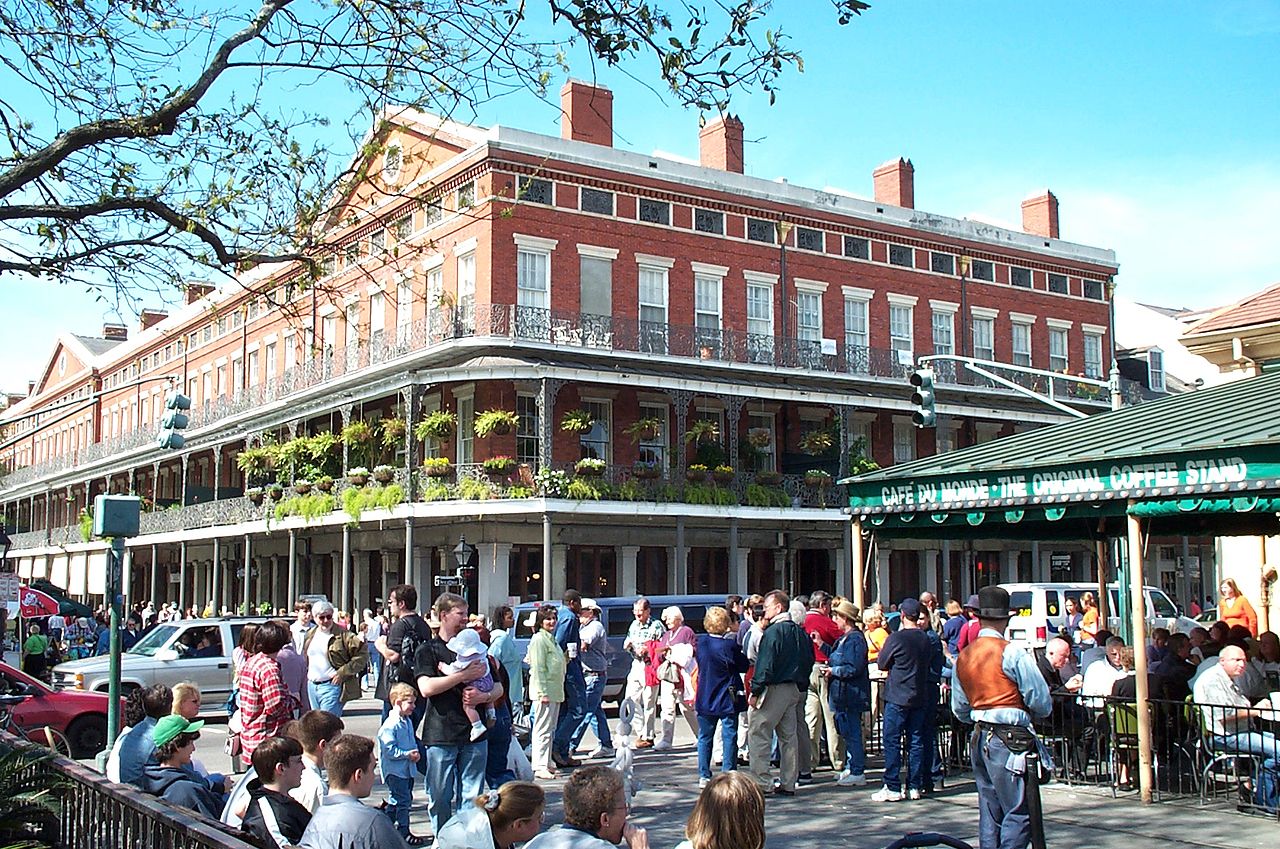
Eating in the French Quarter
The French Quarter is the most commonly visited part of New Orleans, and it has the restaurant concentration to match. The range here is wide: tourist-facing spots along Bourbon Street sit alongside long-established Creole dining rooms tucked onto quieter cross streets, and café counters serving beignets and coffee operate near Jackson Square from early morning.
The food quality in the Quarter varies considerably. Restaurants closest to the highest foot-traffic corridors often cater heavily to visitor volume. Walking a block or two off the main drag generally leads to calmer, more neighborhood-oriented spots. Seafood — oyster bars, fried seafood counters, and shrimp po-boys — is easy to find throughout the Quarter at both lunch and dinner.
The French Market, running along the river from Decatur Street toward the Marigny, offers a mix of food vendors, produce, and prepared foods worth walking through even if you're not looking for a sit-down meal.
If you're working with a compressed schedule, the New Orleans 1-Day Itinerary covers how to structure your time in and around the Quarter, including where meals fit naturally into a day of sightseeing.
The Faubourg Marigny and Bywater
Just downriver from the French Quarter, the Marigny and Bywater neighborhoods have developed active food scenes that tend to draw more local crowds than tourist ones. The scale here is different — smaller restaurants, neighborhood cafes, bars with thoughtful food programs rather than high-volume dining rooms.
Frenchmen Street, while primarily known as a live music corridor, has food options within easy reach. The Bywater has seen a notable rise in independently run restaurants over the past decade, and the area rewards exploration for visitors with more than a day in the city.
The Garden District and Uptown
The Garden District and Uptown are accessible by the St. Charles streetcar line from downtown, and the ride itself is a useful way to move between the city's different eating zones. Magazine Street is the primary commercial corridor here, running roughly parallel to St. Charles for several miles and lined with a mix of casual po-boy shops, neighborhood lunch counters, coffee shops, and more formal dinner spots.
Soul food and Southern cooking appear frequently throughout Uptown alongside Creole staples. The neighborhood draws students from Tulane and Loyola, longtime residents, and families — and the restaurant mix reflects that breadth.
The New Orleans 3-Day Itinerary includes practical suggestions for distributing meals across the city, including when it makes sense to head uptown versus staying closer to the Quarter.
Mid-City and the Bayou St. John Area
Mid-City sits between the French Quarter and Lake Pontchartrain, centered loosely around City Park and the residential streets near Bayou St. John. The eating here is decidedly neighborhood-oriented: fewer tourist-facing menus, more locals at lunch.
Vietnamese cuisine and Vietnamese-Cajun cooking — a fusion style particular to the Gulf South, combining crawfish and crab boil seasoning with Vietnamese techniques — have a meaningful presence in Mid-City and along nearby stretches of Tulane Avenue. This reflects the Vietnamese community that has been part of New Orleans since the 1970s and has contributed substantially to the city's food culture.
City Park itself is one of the largest urban parks in the country, and the surrounding area has cafes and casual spots worth knowing about if you're spending time there. See Best Things To Do in New Orleans for more on what draws visitors to this part of the city.
The Warehouse District and Central Business District
The Warehouse District, running along the river south of Canal Street, has evolved into one of the more polished dining areas in New Orleans. Its proximity to several of the city's major museums and the Top Landmarks in New Orleans in this part of the city brings a mix of visitors and professionals through at mealtimes.
The restaurant density here is notable for the neighborhood's footprint. Options range from oyster bars and casual lunch spots to more formal dinner restaurants offering contemporary takes on Louisiana cooking. Magazine Street and Camp Street both have food options worth looking into when you're in the area.
The Central Business District proper tends toward workday lunch culture — quick service, plate lunches, and sandwich counters — with the dinner scene thinning out considerably on nights and weekends.
Tremé
The Tremé neighborhood, one of the oldest continuously inhabited African American neighborhoods in the United States, has culinary traditions deeply rooted in Creole cooking and the city's foundational food culture. Red beans, soul food, and locally inflected Creole cooking have long histories here.
The number of restaurants in Tremé is smaller than in the Quarter or Uptown, and the neighborhood doesn't see the same tourist volume as those areas. Visitors specifically interested in the historical and cultural dimensions of New Orleans food will find Tremé worth including in their itinerary.
Food Near Major Attractions
New Orleans has roughly 74 mapped attractions, museums, and historic sites in and around the city. Several of the most commonly visited cluster in areas where food is easy to find nearby.
Near Jackson Square and the French Market: This stretch has the highest concentration of food options in the city. Street vendors, café counters, restaurants along Decatur and Royal streets, and the French Market itself all sit within easy walking distance of Jackson Square.
Near City Park: The park has food options at its edges, and the surrounding Mid-City streets have cafes and restaurants accessible by a short walk or ride. Check City Park's official website for any on-site dining options, as these can change by season.
Near the National World War II Museum: This major museum in the Warehouse District is surrounded by restaurants along Magazine Street, Camp Street, and the nearby blocks. The museum's official site has current information on any on-site dining.
Near Audubon Park and the Audubon Zoo: Magazine Street runs through this part of Uptown and has restaurants and cafes at intervals along its length, making it straightforward to combine a visit to the park or zoo with a meal.
Dietary Considerations
New Orleans cooking is traditionally meat-forward, built on pork-based seasonings and shellfish. Dishes that appear vegetable-focused — red beans, greens, soups — are often prepared with animal stock or meat products. Travelers with vegetarian, vegan, or gluten-free needs will find options, but it's worth asking specifically about preparation methods when ordering from traditional Creole and Cajun menus. Roux, a flour-based thickener foundational to many dishes, will matter to anyone avoiding gluten.
The city has seen growth in plant-forward and internationally influenced restaurants, particularly in the Bywater, Mid-City, and along Magazine Street. These exist and are not difficult to find — they simply require more deliberate searching than in some other major U.S. cities.
Practical Tips
Hours and waits. Restaurants in New Orleans — particularly well-known spots in the French Quarter and Warehouse District — can develop long waits during peak dinner hours and around major festivals. Arriving earlier or later than the typical rush, or checking ahead by phone or online, is a reasonable approach. Always verify current hours directly with a restaurant before visiting; hours vary by season, day of week, and year.
Lunch as a strategy. Many of the city's established restaurants offer lunch menus that closely mirror their dinner offerings. Plate lunches — an entrée with sides, a local staple — appear at casual lunch counters throughout the city and often represent strong value for the money.
Festival timing. New Orleans hosts a notable number of festivals and large events through the year, and restaurant availability and crowd levels shift around them. For an overview of how the calendar affects a visit, see Best Time to Visit New Orleans.
Parking and transit. The French Quarter, Marigny, and Warehouse District are walkable areas. For longer distances — reaching Uptown or Mid-City from the Quarter, for instance — the Regional Transit Authority operates buses and streetcar lines throughout the city. Check the RTA's official site for current routes, schedules, and fare information.
For answers to common logistical questions about visiting New Orleans, the New Orleans FAQ is a useful reference before you go.