New Brunswick Travel Guide: Things to Do, Landmarks, Food, and Itineraries

New Brunswick, New Jersey sits along the Raritan River roughly midway between New York City and Philadelphia, and that geography shapes nearly everything about a visit here. It is a mid-sized city of around 55,744 residents (2024 ACS 5-year estimate) with a median age of just 24.5 (2024 ACS 5-year estimate) — a figure that reflects the significant presence of Rutgers University, one of the oldest public universities in the United States. That youthful energy runs alongside a genuine arts corridor, a remarkably diverse dining scene, and a cluster of historic sites that stretch back to the Revolutionary War era.
Whether you are arriving for a single afternoon or planning a longer stay, New Brunswick rewards visitors who look past its workaday exterior. The city packs roughly 110 mapped attractions, museums, and historic sites into a walkable core, and the surrounding Middlesex County region is dotted with National Park Service properties and green spaces worth adding to any itinerary.
Neighborhoods and Areas to Know
Downtown / George Street Corridor The stretch of George Street running through downtown is the city's cultural spine. The State Theatre New Jersey anchors the performing-arts scene here, and the surrounding blocks hold galleries, independent restaurants, and bars that stay busy well into the evening. This is the area most first-time visitors explore first, and it connects easily to the train station on foot.
The Rutgers University Area (College Avenue) Rutgers's College Avenue campus abuts downtown and gives this part of New Brunswick a distinct campus-town character. Old Queens — the university's signature Georgian building — faces the street from behind an open lawn, and the broader campus contains several museums open to the public. The neighborhood shifts character quickly depending on the academic calendar, so plan accordingly.
Albany Street and the Arts District Albany Street serves as a secondary corridor where some of the city's theater organizations, including the well-regarded Crossroads Theatre Company, have long been active. The area has drawn arts institutions that serve both residents and visitors looking for programming beyond mainstream stages.
Boyd Park and the Riverfront The Raritan River forms the city's southern edge, and Boyd Park runs along a stretch of that waterfront. The park offers open green space, river views, and access to recreational paths — a good option for a morning walk before diving into the denser urban core.

Things to Do in New Brunswick
New Brunswick's activity mix tilts toward the cultural and intellectual. Public museum galleries at Rutgers — including the Jane Voorhees Zimmerli Art Museum, one of the larger university art museums in the country — give visitors access to substantial permanent collections without requiring advance planning. The Rutgers Geology Museum is a compact but substantive stop that tends to appeal to visitors of all ages.
Performing arts are a genuine draw. The State Theatre New Jersey hosts touring Broadway productions, concerts, and local performances across a full season. Crossroads Theatre Company is one of the few theaters in the country with a long-running focus on African American theater, and it has earned national recognition for that work.
Outdoor options in and around New Brunswick extend further than the riverfront. Buccleuch Park, a city park with grounds that date to the colonial period and include a historic manor house, offers a quieter alternative to busier green spaces. For a broader sense of regional history, several National Park Service sites operate within reasonable driving distance — always check the NPS website directly for current access details and any reservation requirements.
For a more complete look at activities across the city, see the Best Things To Do in New Brunswick.
Landmarks Worth Seeing
The city's landmark layer reflects its dual identity as a colonial-era town and a modern university city. Old Queens at Rutgers was completed in 1825 and is among the more photographed buildings in central New Jersey. The broader historic campus contains several other 19th-century structures arranged around open quadrangles.
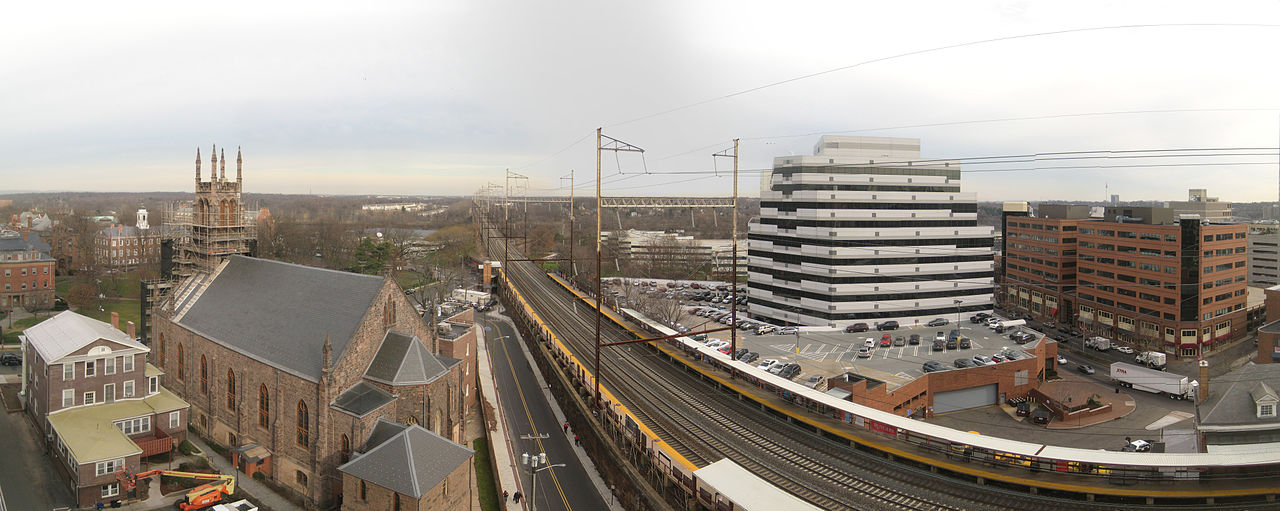
New Brunswick's downtown also preserves a handful of commercial and civic buildings from the late 19th and early 20th centuries that give George Street its visual character. The area around the train station has seen significant new development in recent years, but the historic core remains legible if you know where to look.
For a guided walk through the city's most historically significant sites, the Top Landmarks in New Brunswick page goes into detail on individual sites and their context.
Where to Eat in New Brunswick
The dining scene in New Brunswick is one of the city's clearest strengths. With roughly 864 mapped restaurants and cafes across the city and immediate area, the options span a wide range of cuisines, price points, and formats. The diversity of the local population — New Brunswick has long had a substantial Latin American community alongside Hungarian, Filipino, South Asian, and other immigrant communities — shows up directly in what is available to eat.
Downtown George Street concentrates a mix of sit-down restaurants, bars with food programs, and fast-casual spots that cater to both the university crowd and the professional population from nearby office campuses. Albany Street and the side streets off the main corridors turn up independent options that see less foot traffic but are worth seeking out.
For anyone arriving by train, the blocks immediately around the New Brunswick train station have seen new restaurant openings in recent years as the area has developed. A few of the city's older, longer-running establishments are farther from the tourist path and require a short walk or ride.
Before visiting any restaurant, check current hours directly — many places in a university-adjacent city adjust their schedules around academic breaks, and hours can shift without much public notice.
Browse the full dining overview at Where to Eat in New Brunswick.
Getting Around New Brunswick
New Brunswick is one of the better-connected mid-sized New Jersey cities for visitors arriving without a car. The New Brunswick train station sits on NJ Transit's Northeast Corridor line, which runs frequent service toward New York Penn Station to the northeast and Trenton to the southwest. Amtrak also stops at the station on several routes, making New Brunswick genuinely accessible from a wide range of origin cities. Check schedules and contactless payment options directly with each carrier, as both fares and payment methods can change.
Within the city, the walkable downtown core means that most visitors can reach major attractions, restaurants, and the university on foot from the train station in under 20 minutes. Bus service supplements rail for reaching neighborhoods farther from the center. If you are driving in from elsewhere in New Jersey, the city sits close to major interstate and state highway corridors — check current traffic conditions, as the area sees significant commuter volume during peak hours.
Parking Considerations
Street parking exists throughout downtown New Brunswick, but availability fluctuates significantly during weekday business hours, university events, and weekend evenings. The city and private operators run several parking garages in the downtown core; rates and hours vary, and it is worth checking posted signage and current rates on arrival rather than assuming consistency. Garages near the train station are often the most convenient for visitors arriving by car who plan to walk the rest of the day.
During major Rutgers events — home football games, graduation weekend, large performances at the State Theatre — parking becomes notably tighter across the city, and arriving early or using transit is often the practical choice.
Visitor Tips
- The city's energy shifts noticeably between the academic year and summer. If you are visiting specifically for the university museum collections or campus atmosphere, September through April tends to offer the most active environment.
- New Brunswick's downtown is generally walkable during the day and evening, and the city's compact scale makes it easy to cover a lot of ground on foot. Apply the same ordinary urban awareness you would use in any mid-sized city.
- Many of the Rutgers campus buildings and museums have their own entry policies and seasonal hours — always verify directly before planning a visit around a specific gallery or building.
- For regional day trips, the surrounding Middlesex County area and nearby NPS properties are accessible by car and add significant range to a New Brunswick-based stay.
- Check the Best Time to Visit New Brunswick page for seasonal guidance on weather, crowds, and local events.
Family-Friendly Tips
New Brunswick has several options that work well for visitors traveling with children. The Rutgers Geology Museum has historically offered free admission — confirm current entry policy on the Rutgers website before visiting — and is compact enough to hold younger visitors' attention without requiring a long commitment. The outdoor spaces at Boyd Park and Buccleuch Park offer room to move around, which matters when traveling with kids. The State Theatre occasionally programs family-oriented performances alongside its main season — check its calendar directly for current listings.
The scale of the downtown area is manageable for families on foot, and the train connection to New York City or Philadelphia gives families the option to base themselves in New Brunswick for a multi-city visit without dealing with urban driving on both ends.
Plan Your Visit
If you have one day in the city, the New Brunswick 1-Day Itinerary lays out a structured route that covers the main areas efficiently. Visitors with more time can follow the New Brunswick 3-Day Itinerary, which builds in day trips to the broader region and more time for the city's dining and arts scenes.
Frequently Asked Questions
Is New Brunswick worth visiting? For travelers interested in university culture, performing arts, and a diverse food scene within easy reach of the Northeast rail corridor, New Brunswick offers a genuine and sometimes underestimated day-trip or short-stay destination.
How far is New Brunswick from New York City? New Brunswick is roughly 30 miles southwest of Manhattan. NJ Transit's Northeast Corridor line connects the two cities directly, with travel times varying by train type and time of day — check the NJ Transit schedule for current options.
What is New Brunswick known for? New Brunswick is widely associated with Rutgers University, long associated with Johnson & Johnson, which operated its global headquarters in the city for over a century, and a performing-arts corridor that includes the State Theatre New Jersey and Crossroads Theatre Company.
Is New Brunswick walkable? The downtown core and the Rutgers College Avenue campus area are walkable from the train station. Neighborhoods farther from the center require a bus, rideshare, or car.
What neighborhoods should I focus on? First-time visitors typically spend time along George Street, the Rutgers College Avenue area, and the Raritan riverfront. Each offers a different feel without requiring significant travel between them.
For a broader set of questions and answers, visit the New Brunswick FAQ.