New Brunswick FAQ
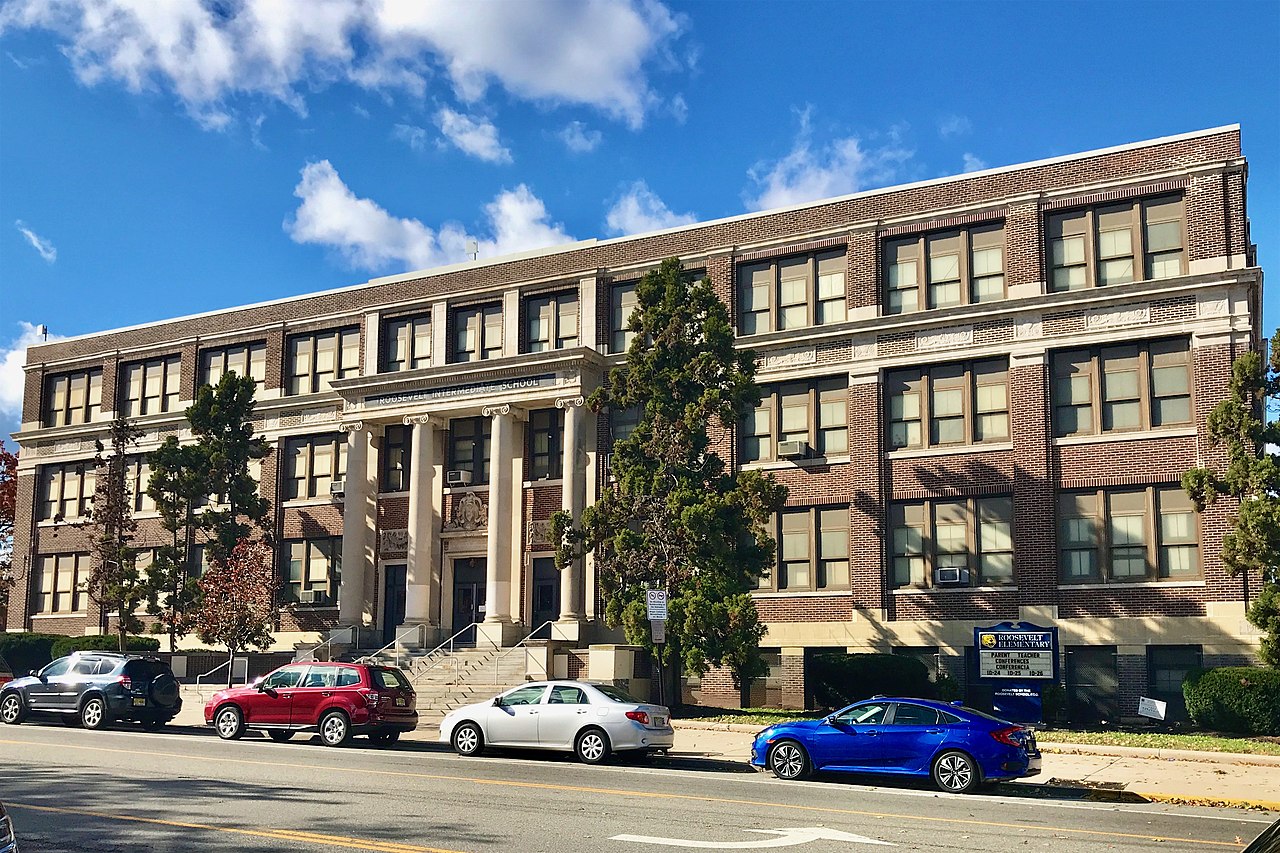
New Brunswick, NJ is a mid-size city of roughly 55,700 residents anchored by Rutgers University and a growing downtown. Visitors often arrive with logistical questions before they dive into planning. The answers below cover the most common ones — from airport connections and getting around to where to stay and when to come.
How do I get to New Brunswick from the nearest airports?
Newark Liberty International Airport (EWR) is the most convenient option. From there, you can connect to NJ Transit rail service on the Northeast Corridor line, which stops directly in New Brunswick. The trip is relatively short, though travel times vary depending on the time of day and connection. Taxis, rideshares, and car rentals are also available at the airport.
If you're flying into New York's John F. Kennedy or LaGuardia airports, plan for a longer journey — both require additional connections or ground transportation before you can board a New Jersey-bound train. Check NJ Transit's official site and the airport websites for current schedules and service options before you travel.

Do I need a car in New Brunswick?
For most visitors focused on downtown New Brunswick and the Rutgers University area, a car is not strictly necessary. The train station sits close to the center of the city, and much of what draws tourists — dining, the arts district, George Street, and the main university campus — is within a reasonable walking distance of the station.
That said, a car becomes more useful if you plan to explore surrounding towns, visit attractions in the wider Central Jersey region, or make day trips. Street parking and garages are available downtown, but availability and costs vary — check local signage and official sources for current rates and restrictions. If you're sticking close to the city core, public transit and your own two feet will carry you far.
How do I get around New Brunswick once I'm there?
Walking is the most practical way to move between the train station, downtown, and the main Rutgers campus. NJ Transit buses also serve New Brunswick and connect it to surrounding communities. For transit payments, contactless tap-to-pay is generally accepted on NJ Transit services — check the NJ Transit website for the latest fare and payment information before your trip.
Rideshare apps are active in the city, particularly around the university. Biking is another option; the flat terrain near the Raritan River corridor makes it manageable for most riders.
Is New Brunswick safe for tourists?
Like most urban areas, New Brunswick calls for the same ordinary awareness you'd apply anywhere — keep an eye on your belongings, stay aware of your surroundings, and stick to well-lit, populated streets after dark. The downtown core and areas around the university tend to have steady foot traffic, especially on evenings and weekends when students and visitors are out.
If you have specific concerns, the city's official website and local news sources are the best places to look for current information.
Is visiting New Brunswick expensive?
New Brunswick sits in a middle range. The city's large student population has helped sustain a wide variety of affordable dining options alongside more upscale restaurants. With roughly 860-plus dining spots in the broader area, there's real variety across price points. Lodging tends to reflect regional New Jersey pricing, which can lean higher than national averages — booking in advance generally helps.
For a full picture of how to budget your time here, the New Brunswick Travel Guide: Things to Do, Landmarks, Food, and Itineraries is a good starting point.
Where should I stay in New Brunswick?
Downtown New Brunswick is the most practical base. Staying within walking distance of the train station keeps transit connections straightforward and puts you close to restaurants, the State Theatre New Jersey, and the main university area. A handful of hotels operate in the downtown core and just outside it.
If you're flexible, some visitors choose to stay in nearby towns and commute in by train, which can open up additional lodging options. Look at the broader Somerset and Middlesex County areas if you need more choices.
When is the best time to visit New Brunswick?
Spring and fall are generally the most comfortable seasons in New Brunswick. Temperatures are moderate, the university grounds look their best, and the arts and dining scenes are fully active. Summer brings warmth and humidity typical of the Mid-Atlantic — manageable, but worth packing for. Winter is cold and can bring snow, though the city stays active year-round thanks to the university calendar.
One thing worth knowing: the city's rhythm is closely tied to Rutgers. Visiting during the academic year means more activity, more open restaurants, and a livelier street scene. Major university events — graduation, homecoming, and move-in weekends — can affect parking and hotel availability.
For a more detailed seasonal breakdown, see the dedicated Best Time to Visit New Brunswick page.
Is New Brunswick a good destination for families with kids?
Yes, with some planning. The State Theatre New Jersey hosts family-friendly productions throughout the year — check its official site for the current schedule. The Rutgers University campus offers open green spaces worth walking through, and the Raritan River waterfront area provides outdoor room to stretch out.
The city's dozen-plus mapped attractions and museums include options that can appeal to younger visitors. For specific ideas, the Best Things To Do in New Brunswick page covers the range of what's available. Dining with kids is straightforward given the sheer variety of restaurants; the Where to Eat in New Brunswick page gives a broader overview of the food landscape.
How much time should I spend in New Brunswick?
A full day gives you enough time to walk the downtown area, explore the main Rutgers campus, visit one or two attractions, and have a proper meal. If you want to go deeper — catching a performance, visiting more museums, or making a day trip into the surrounding region — a weekend is a more comfortable pace.
The New Brunswick 1-Day Itinerary lays out a focused single-day plan, while the New Brunswick 3-Day Itinerary covers a longer stay for those who want to move at a slower pace or explore beyond the city center.
What are common things visitors do in New Brunswick?
Most visitors spend time in the downtown arts and dining corridor along George Street and nearby blocks, walk through the Rutgers University campus, and take in a show or event at the State Theatre. The city's roughly 110 mapped attractions and historic sites give independent explorers plenty to discover at their own pace.
For a fuller look at what's worth your time, the Top Landmarks in New Brunswick page covers the city's most commonly visited sites in detail.
Are there national parks or natural areas near New Brunswick?
The broader Central New Jersey region has strong access to outdoor and natural areas, including dozens of National Park Service sites within reasonable driving distance. Parks, river trails, and historic preservation areas are distributed across the surrounding counties. For specific NPS locations and any entry requirements or fees, always check the National Park Service website (nps.gov) directly, as details change.
New Brunswick itself sits along the Raritan River, and the towpath corridor in the area offers accessible walking and biking for those who want to get outside without going far from the city.