Best Things To Do in Meriden
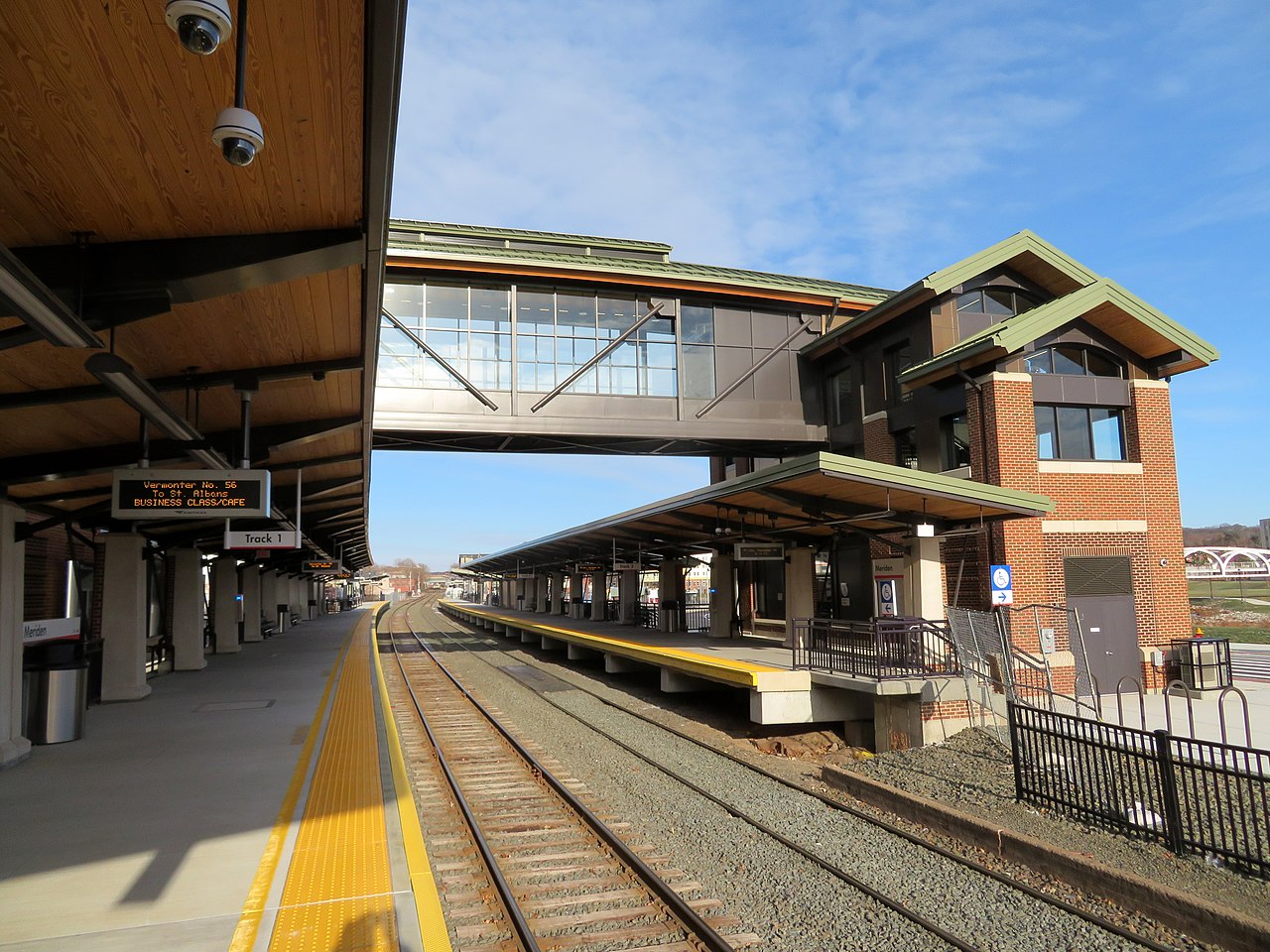
Meriden, Connecticut sits in the central part of the state, roughly midway between Hartford and New Haven, which makes it an approachable stop whether you're passing through or planning a longer visit. With a population of just over 60,000, the city has a manageable scale that suits a day trip or a weekend without requiring a car for every stop. This guide groups the city's attractions by interest — parks and outdoor space, museums and culture, waterfronts and views, historic sites, and neighborhoods worth exploring on foot — and notes which experiences are free to enjoy versus which involve an admission or program fee. For a broader overview of the city, start with the Meriden Travel Guide: Things to Do, Landmarks, Food, and Itineraries.
Parks and Outdoor Space
Meriden's most distinctive outdoor feature is Hubbard Park, a large municipal park that climbs into the Hanging Hills, a set of traprock ridges that rise sharply above the surrounding lowlands. The park includes wooded trails, picnic areas, and a pond, and it's free to enter and walk. At the top of East Peak stands Castle Craig, a stone observation tower that offers wide views across central Connecticut on clear days; reaching it typically involves a hike or a seasonal drive, and visitors should check the official park page for current access details since seasonal closures can apply. Giuffrida Park, on the opposite side of the Hanging Hills, has its own network of trails around Crescent Lake and tends to draw a mix of hikers, trail runners, and anglers. Both parks are free to use, making them a good starting point for visitors who want to spend a morning outdoors before heading into town. Closer to downtown, the Meriden Green functions as a public gathering space with open lawn, a splash pad in warmer months, and occasional community programming — a convenient midday stop between other activities.

Museums and Culture
Downtown Meriden has been building out its cultural offerings alongside its transit-oriented redevelopment near the train station. The Meriden Historical Society maintains exhibits on the city's manufacturing past, when Meriden was known for silverware and metal goods production, and it's a useful stop for visitors curious about how that industrial history shaped the city's neighborhoods. Some cultural venues and programs in the area charge admission or require advance registration, so it's worth checking official sites before visiting rather than assuming free entry. For a fuller rundown of specific sites and how to sequence them, the Top Landmarks in Meriden page breaks things down in more detail.
Waterfronts and Views
Beyond the elevated views from Castle Craig, Meriden has several smaller water features that offer a change of pace. Hanover Pond, near the eastern edge of the city, has a walking path along its edge and is a common spot for a quiet stroll or some casual birdwatching. Mixville Pond, near Giuffrida Park, serves a similar role on the western side of town. Neither location involves an admission fee, and both are best visited during daylight hours with ordinary outdoor awareness, as with any public park space. If you're arriving by train, the walk from the Meriden station into the downtown core also passes along some of the city's newer green infrastructure, including landscaped areas tied to flood-control improvements around the Harbor Brook corridor.
Historic Sites
Meriden's historic character is visible in its older residential architecture and a handful of preserved structures scattered through the city and its surrounding villages, including the Solomon Goffe House, one of the area's older surviving homes and a reference point for the region's colonial-era history. Because access to historic house museums often depends on volunteer-run schedules or seasonal programming, it's a good idea to confirm open days directly with the site rather than planning around assumed hours. Walking or driving past these structures still offers a sense of the city's development from an agricultural settlement into an industrial manufacturing center, even without going inside.
Neighborhoods to Wander
Downtown Meriden, centered around the train station and the Meriden Green, has seen steady investment in recent years, with a walkable core of shops, dining, and public space. Broad Street and State Street form the spine of this area and are worth a slow walk to get a sense of the city's civic buildings and commercial storefronts. The Westfield section, on the city's western edge, has a more residential, small-village feel and is worth a detour if you're already headed toward Giuffrida Park. Wherever you wander, downtown is also where you'll find the bulk of Meriden's dining options — for an overview of what's available without a ranked list, see Where to Eat in Meriden.
Planning Your Visit
Because Meriden mixes free outdoor recreation with a smaller number of ticketed or schedule-dependent cultural stops, it helps to plan loosely rather than rigidly. Visitors with a single day tend to pair a morning in Hubbard Park with an afternoon downtown; the Meriden 1-Day Itinerary lays out one way to sequence that. If you have more time, the Meriden 3-Day Itinerary spreads the parks, historic sites, and neighboring towns across a longer stay. Seasonal conditions matter here — the Hanging Hills trails and Castle Craig views change considerably between summer and winter — so it's worth reviewing the Best Time to Visit Meriden guide before finalizing dates. And if you still have logistical questions after reading through these guides, the Meriden FAQ covers common practical concerns from parking to getting around without a car.