Best Time to Visit Meriden

Meriden, Connecticut sits in the central part of the state, within reach of both Hartford and New Haven, and its climate follows the classic New England pattern of four distinct seasons. Deciding when to visit largely comes down to what kind of trip you're planning: outdoor exploration, a quieter walk through downtown, or a visit built around a specific seasonal event. This guide walks through what each season generally feels like in Meriden, who tends to show up when, and how to think about shoulder-season timing if you'd rather avoid both summer heat and winter chill.
Before diving into seasonal detail, it helps to have a general sense of the destination. The Meriden Travel Guide: Things to Do, Landmarks, Food, and Itineraries offers a broader introduction to the area, while this page focuses specifically on timing your trip.
Spring (March through May)
Spring in Meriden tends to arrive gradually, with cooler, damp conditions early on giving way to milder, more comfortable days as the season progresses. Trees and gardens around the city's parks start to fill in, and outdoor spaces become noticeably more inviting than they are in winter. Hubbard Park, one of the city's best-known green spaces, is a good example of this shift — it's also home to Meriden's long-running Daffodil Festival, a recurring spring event worth checking the current schedule for if you want to time a visit around it. Because spring isn't a peak travel season for this part of Connecticut, visitors can generally expect quieter conditions at local landmarks and easier availability at area restaurants.
This is a reasonable time to explore some of the Top Landmarks in Meriden without the crowds that warmer months can bring, and outdoor-oriented attractions become more comfortable to visit as the season goes on. Layered clothing is a practical choice, since temperatures and precipitation can vary from week to week.
Summer (June through August)
Summer is typically the most active season in Meriden, with warm, humid weather that supports outdoor dining, walking tours, and time spent in the city's green spaces. Longer daylight hours make it easier to fit more into a single day, which is useful if you're following the Meriden 1-Day Itinerary or the more expansive Meriden 3-Day Itinerary.
Summer also tends to be when community events, outdoor markets, and local gatherings are most common in the region, though exact scheduling changes from year to year, so it's worth checking local event listings or the city's official channels closer to your travel dates rather than planning around a fixed calendar. Humidity and occasional thunderstorms are part of a typical summer, so it's worth keeping that in mind when packing.
Fall (September through November)
Fall is often considered one of the more comfortable times to visit central Connecticut, with cooler air, lower humidity, and foliage color that draws visitors to the broader region. Early fall can still feel summery, while later fall brings a crisper, more distinctly autumnal feel. This shift makes it a popular window for travelers who want pleasant walking weather without the peak-season crowds of summer.
Because foliage timing shifts each year depending on weather patterns, it's best to check current regional foliage reports if leaf-peeping is a priority rather than relying on a set date range. Fall is also a comfortable season for exploring Best Things To Do in Meriden, since outdoor attractions remain accessible while the heat of summer has eased.
Winter (December through February)
Winter in Meriden brings cold temperatures and the possibility of snow, consistent with the broader New England climate. This is generally the quietest season for visitors, which can be an advantage for travelers who prefer a slower pace and don't mind bundling up. Indoor attractions, local restaurants, and shorter itineraries tend to work well during this stretch, since outdoor activity is more weather-dependent.
If you're visiting in winter, it's worth checking road and weather conditions ahead of time, particularly if you're driving in from out of state. Winter is also a season when it's especially useful to confirm attraction and business schedules directly with the venue, since hours can shift around the colder months.
Shoulder-Season Advice
For travelers trying to balance comfortable weather with manageable crowds, late spring (May) and early-to-mid fall (September and October) are generally the most favorable shoulder-season windows. These periods tend to offer moderate temperatures, fewer weather extremes, and a more relaxed pace at popular spots compared to peak summer months. Shoulder-season travel can also make it easier to find flexibility in dining reservations, since summer weekends tend to draw more visitors to the city's restaurants — see Where to Eat in Meriden for a general sense of the local dining landscape.
If your travel dates are flexible, aiming for shoulder-season timing is a reasonable strategy regardless of whether your priority is outdoor sightseeing, casual walking tours, or simply avoiding summer humidity.
Events and General Timing
Meriden hosts a range of community and seasonal events throughout the year, many of which cluster in the warmer months when outdoor gathering spaces are more usable. Because specific event dates change annually and are set by local organizers, it's best to check the city's official event calendar or tourism resources close to your planned visit rather than assuming a recurring date. This approach also applies to any attraction hours, admission details, or seasonal closures you're planning around, since these can be updated from year to year.
Getting Around During Your Visit
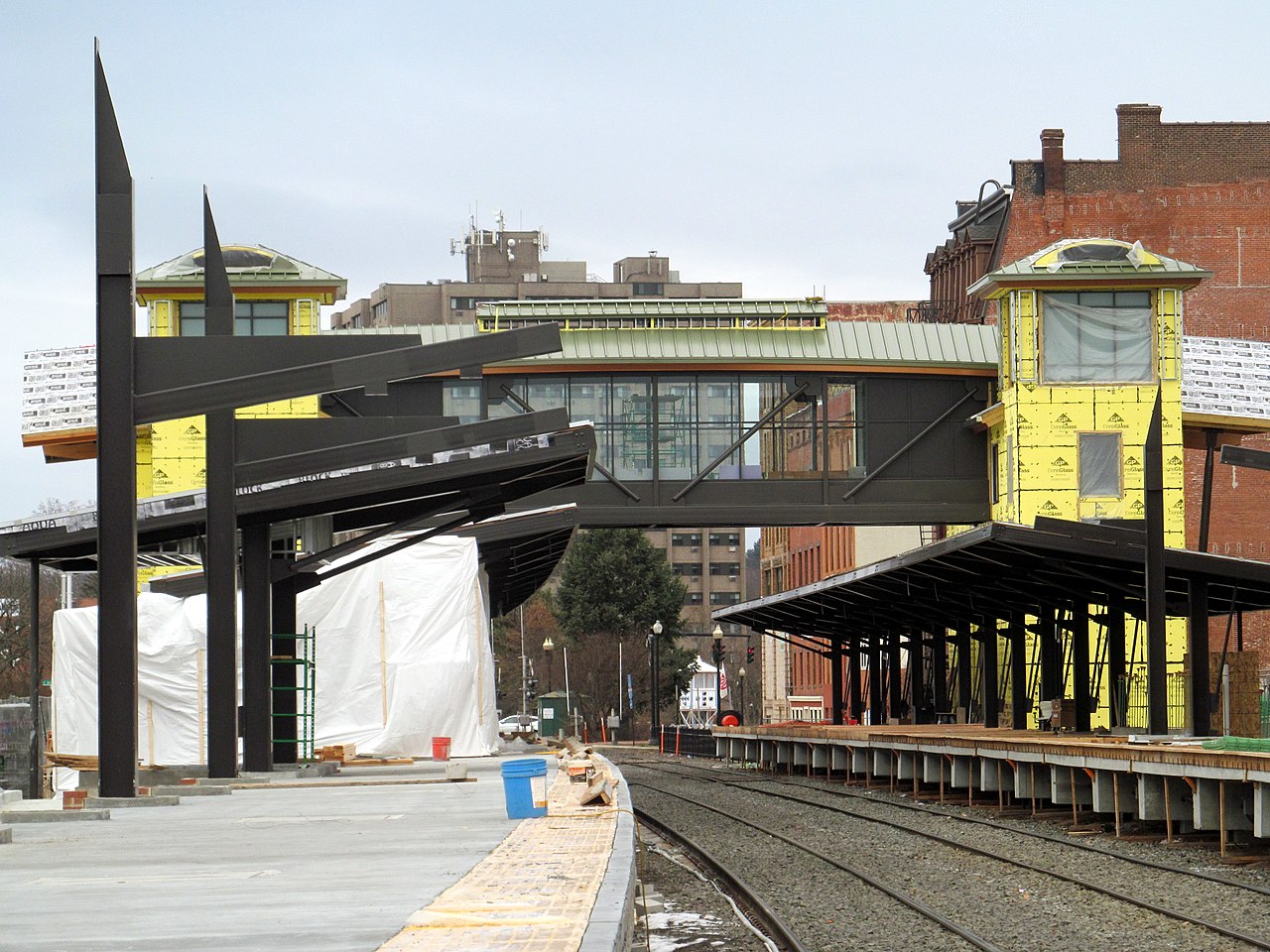
Regardless of season, getting around Meriden and the surrounding area typically involves a mix of driving and regional transit, including the CTrail Hartford Line train service that stops in the city. Winter weather can affect travel times, so it's worth building extra buffer into your schedule during the colder months, and it's a good idea to confirm current schedules and fares directly with the transit provider before you travel.
Final Thoughts
There isn't a single "correct" time to visit Meriden — each season offers a different experience, from summer's longer days and active community calendar to winter's quieter, slower pace. For general planning purposes, spring and fall shoulder seasons tend to offer the most balanced combination of comfortable weather and manageable crowds. Whichever season you choose, pairing this guide with the Meriden FAQ can help you confirm practical details before you go.