Top Landmarks in Meriden
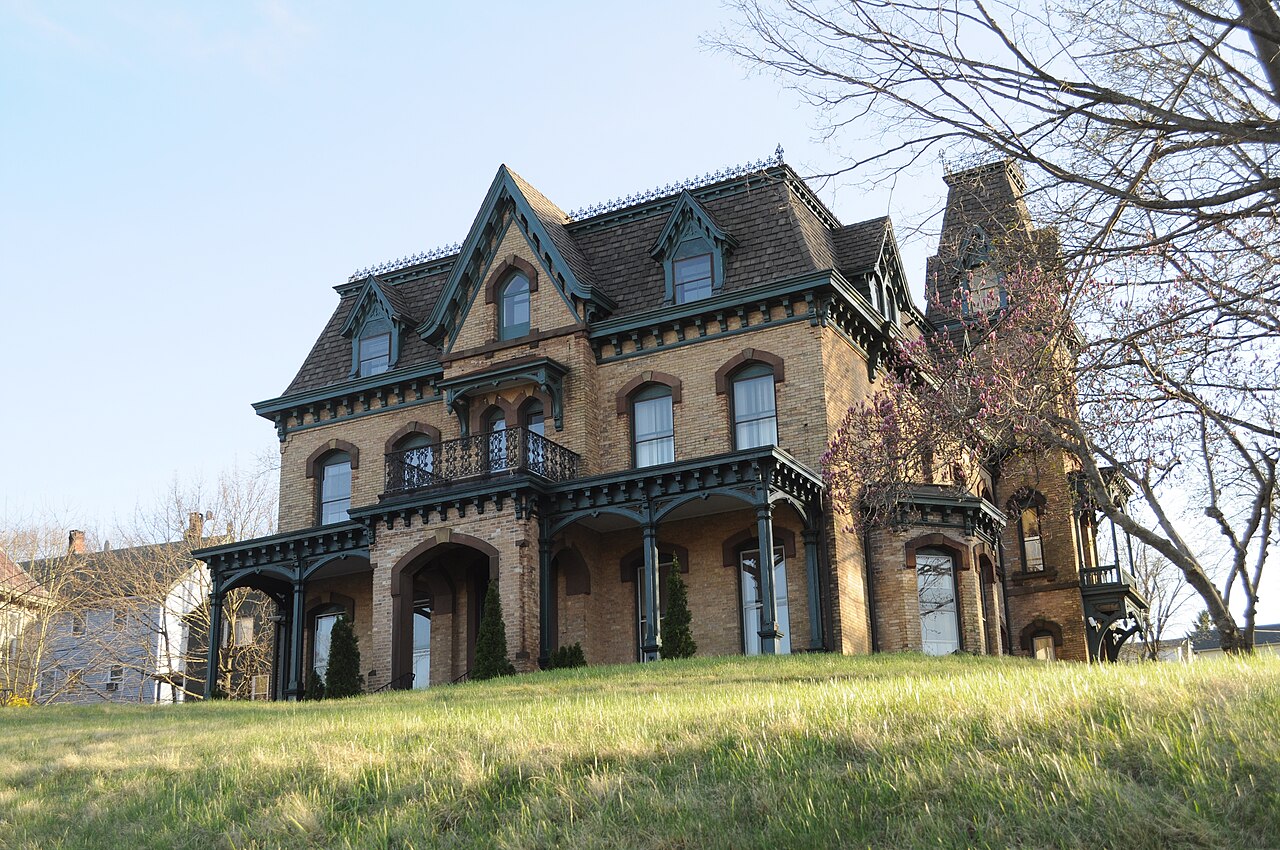
Meriden, Connecticut, sits in the state's central valley between New Haven and Hartford, and its landmarks reflect that in-between geography: a wooded ridge park with sweeping views to the west, a rebuilt downtown green at the city's core, and a scattering of historic buildings that trace Meriden's growth from a colonial settlement into a manufacturing city sometimes called the "Silver City" for its metalware trade. For visitors putting together a Meriden Travel Guide: Things to Do, Landmarks, Food, and Itineraries, the landmarks below are the most commonly referenced starting points, and most of them cluster into two or three walkable or short-drive groupings.
Castle Craig and Hubbard Park
The most recognizable landmark associated with Meriden is Castle Craig, a stone observation tower built at the turn of the 20th century atop West Peak, one of the higher points in the Metacomet Ridge that runs through central Connecticut. The tower was a gift to the city and is listed on the National Register of Historic Places. On a clear day, the climb to the top rewards visitors with views that reportedly extend across several states, which has made it a long-standing point of local pride.
Castle Craig sits within Hubbard Park, a large municipal park whose design work involved the landscape architecture firm associated with Frederick Law Olmsted. The park spans a good portion of West Peak and includes hiking trails, a pond, picnic areas, and seasonal plantings that draw visitors, particularly in spring. Because the tower and the park are part of the same property, they're typically visited together, and the network of trails makes it possible to approach Castle Craig from a few different directions depending on how much of a hike you're looking for. As with any hilltop or trail destination, it's worth checking the official park pages before visiting, since access points and any seasonal notices can change.

Meriden Green and Downtown
At the opposite end of the landscape spectrum is Meriden Green, a redeveloped public green space in the heart of downtown Meriden. Built around flood-control and transit improvements, the Green functions as the city's civic gathering space, with open lawn area, walking paths, and proximity to the Meriden train station. It's a useful anchor point for a downtown walk, since several of the city's civic buildings and a number of dining options sit within a short distance. Visitors planning meals nearby can look at Where to Eat in Meriden for an overview of the kinds of restaurants clustered around the downtown core.
Near the Green, downtown Meriden's historic commercial buildings reflect the city's manufacturing-era architecture, and the Curtis Memorial Library, a Richardsonian Romanesque stone building dating to the late 1800s, is one of the more visually distinctive structures in this part of the city. Its arches and heavy stonework are characteristic of the architectural style popular for civic buildings of that period, and it remains an active public library today.
Solomon Goffe House
A short distance from downtown, the Solomon Goffe House is one of Meriden's oldest surviving structures, dating to the early 18th century. It's maintained as a historic house museum by a local preservation organization and offers a look at colonial-era construction and domestic life in central Connecticut. Because house museums like this one often operate on limited or seasonal schedules, it's a good idea to check the official listing for current visiting information rather than assuming it's open on any given day.
Giuffrida Park and the City's Trap Rock Ridges
East of downtown, Giuffrida Park offers another example of the trap rock ridge scenery that defines much of this part of Connecticut, centered on Chauncey Peak and Crescent Lake. While less architecturally notable than Castle Craig, it's commonly mentioned alongside Hubbard Park as part of Meriden's network of ridge-and-lake parks, and it appeals to visitors interested in hiking or simply taking in the landscape without a long drive out of the city.
How the Landmarks Cluster
For planning purposes, Meriden's landmarks fall into two general clusters. The first is the Hubbard Park and Castle Craig area to the west, which is best treated as its own outing given the elevation change and trail distances involved. The second is the downtown cluster around Meriden Green, the Curtis Memorial Library, and nearby streets, which is compact enough to cover on foot along with a meal. The Solomon Goffe House and Giuffrida Park sit a bit outside both clusters and are typically added as a short drive from either.
A single day is enough to see the highlights of one cluster in more depth, or to combine a downtown walk with a shorter visit to Hubbard Park; the Meriden 1-Day Itinerary lays out one way to sequence that. Visitors with more time, including those pairing Meriden with nearby New Haven or Hartford, may prefer the pacing in the Meriden 3-Day Itinerary, which allows time for both park areas plus the historic house.
Because outdoor landmarks like Castle Craig and Giuffrida Park are more rewarding in good weather and clear visibility, it's worth reviewing the Best Time to Visit Meriden guide before planning a trip built around hilltop views. For a broader rundown of parks, historic sites, and other attractions beyond this landmark list, see Best Things To Do in Meriden, and for logistics questions specific to the city, the Meriden FAQ covers common visitor questions.
Getting Around
Meriden is a compact city, and downtown landmarks around Meriden Green are easily reached on foot from the train station. Reaching Hubbard Park, Giuffrida Park, or the Solomon Goffe House generally involves a short drive or a local bus connection, since these sites sit outside the immediate downtown footprint. If you're arriving by train or bus, tapping a contactless card or using the local transit app at the point of boarding is the simplest way to pay; check the transit agency's official site for current routes and any details on fares before you go, since these are subject to change.
Overall, Meriden's landmarks favor visitors who enjoy a mix of outdoor scenery and small-city history over dense, single-site attractions. Ordinary urban awareness, like keeping to marked trails at the parks and being mindful of surroundings downtown after dark, applies here as it would in most similarly sized New England cities.