Menlo Park Travel Guide: Things to Do, Landmarks, Food, and Itineraries

Menlo Park sits on the San Francisco Peninsula, tucked between the bay flats to the east and the wooded foothills to the west, in the heart of Silicon Valley. It's a smaller stop on most Bay Area itineraries, which is part of the appeal: the pace is calmer than San Francisco or San Jose, the downtown core is walkable, and the surrounding area offers easy access to parks, waterfront trails, and a handful of well-known tech and research institutions. This guide is meant as a starting point — a hub that connects to more detailed pages on things to do, landmarks, restaurants, and suggested itineraries so you can plan a visit that fits the time you have.
Why Visit Menlo Park
Menlo Park works well as either a standalone destination for a day or two, or as a base for exploring the wider Peninsula and South Bay. The city has a reputation tied to the technology industry, since it sits near several major company campuses and venture capital offices along Sand Hill Road, but it also has a quieter, residential character shaped by tree-lined streets, small parks, and a compact downtown shopping district along Santa Cruz Avenue. With a median age around 38.5 and a median household income well above the national average (per 2024 ACS 5-year estimates from the U.S. Census Bureau), the local economy supports a steady mix of independent restaurants, boutique retail, and services aimed at both residents and visitors passing through.
For a full rundown of activities, see Best Things To Do in Menlo Park, and for a closer look at the city's most notable sites, check out Top Landmarks in Menlo Park.

Getting to Know the Neighborhoods
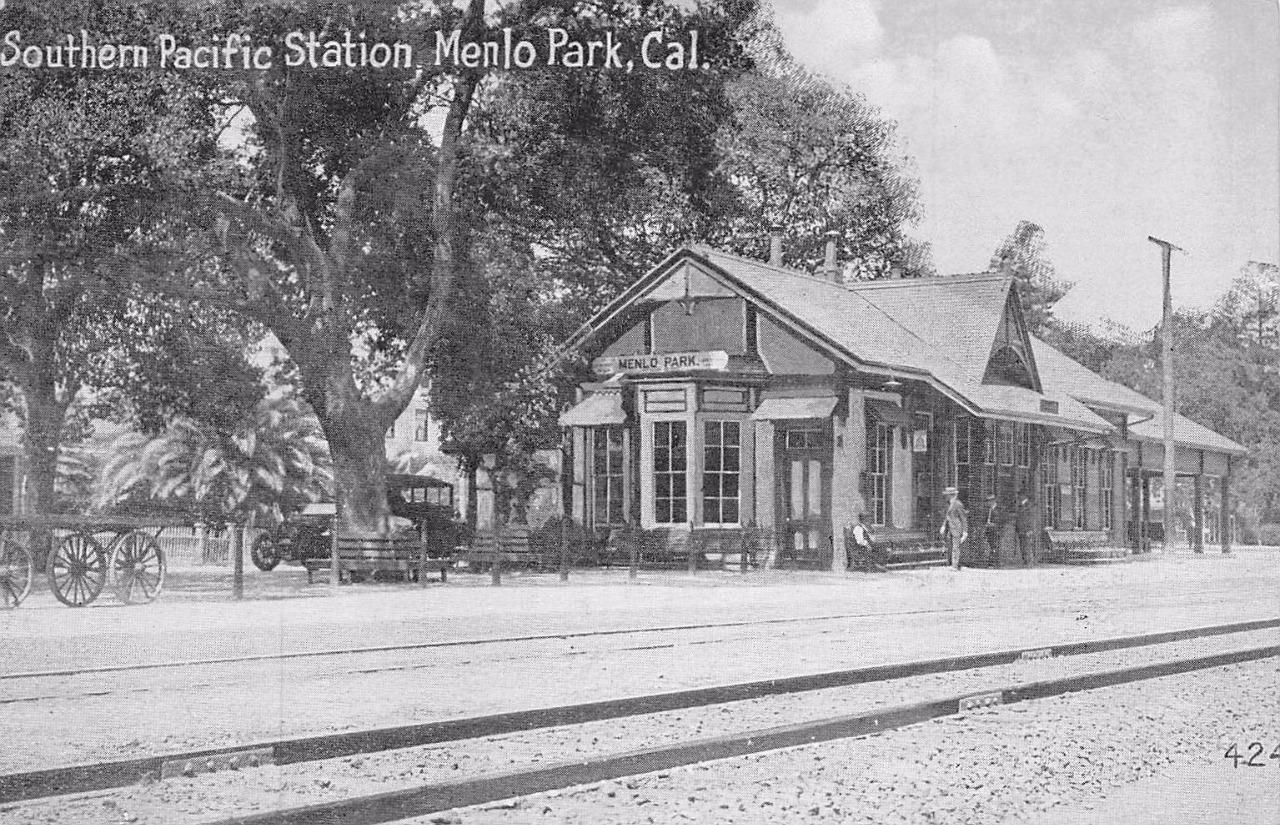
Downtown Menlo Park, centered on Santa Cruz Avenue and El Camino Real, is the most visitor-friendly area. It's dense with cafés, restaurants, bookstores, and small shops, and it's easy to cover on foot in an afternoon. The Caltrain station sits right at the edge of downtown, making this a convenient anchor point if you're arriving by train.
The Willows and Belle Haven neighborhoods, east of Highway 101, are primarily residential but border the Bayfront area, where you'll find open space and trail access along the bay's edge. This part of the city tends to be quieter and is worth a stop if you're interested in birdwatching or a flat, scenic walk or bike ride.
The Sand Hill Road corridor, within the city, leans more suburban and is close to Stanford University's campus, which technically sits just across the city line in unincorporated Santa Clara County but functions as a natural extension of the area for visitors. This part of town is greener and hillier, with larger lots and a slower pace. Just west of the city limits, the unincorporated community of West Menlo Park has a similar suburban, tree-lined character, though it falls under San Mateo County rather than the city of Menlo Park itself.
Each of these areas offers a different flavor of the city and its immediate surroundings, and combining a downtown stroll with a visit to the bayfront or the hills nearby gives a reasonably complete sense of what Menlo Park has to offer.
A First Look at Things to Do
Menlo Park's appeal leans toward outdoor space, small museums, and a walkable commercial core rather than large-scale attractions. The Bedwell Bayfront Park area offers trails with bay views, and the city's location near the Dumbarton Bridge connects to broader waterfront and wildlife refuge areas along San Francisco Bay. Because the region is home to a number of National Park Service–affiliated and nearby historic sites, history-minded travelers may also want to build in time for sites tied to early Bay Area and Silicon Valley history — details and specific names are covered in the dedicated Best Things To Do in Menlo Park and Top Landmarks in Menlo Park pages, since hours, access rules, and seasonal availability are best confirmed on official sites before you go.
If you're short on time, downtown Menlo Park itself is a reasonable way to spend a few hours — browsing shops, stopping for coffee, and walking tree-lined side streets gives a good sense of the city's character without much advance planning.
Where to Eat
Menlo Park's dining scene is concentrated along Santa Cruz Avenue and the surrounding downtown blocks, with a mix of casual cafés, sit-down restaurants, and a few longstanding neighborhood spots. Cuisine options run from Californian and Mediterranean to Japanese, Italian, and Mexican, reflecting the broader diversity of the Bay Area food scene. Because this is a well-known Peninsula food destination, it's common to see a wait at popular spots during weekday lunch hours, when nearby offices and campuses send people into downtown. For a fuller sense of the options and where they cluster, see Where to Eat in Menlo Park.
Getting Around
Menlo Park is compact enough that downtown can largely be explored on foot, and the city has a reasonably bike-friendly layout, especially around the flatter bayfront and downtown areas. Caltrain connects Menlo Park to San Francisco to the north and San Jose to the south, and local and regional bus routes serve the city as well; many Bay Area transit systems now support contactless tap-to-pay, but fare and payment options vary by operator and change over time, so it's worth checking current options for whichever systems you plan to use before you go. If you're coming from San Francisco International Airport or another regional airport, a rental car or rideshare is often the most direct option, though train connections are also workable depending on where you're staying.
If you plan to drive, keep in mind that downtown streets and shopping areas can have limited parking during busy periods, and postings on individual blocks vary — it's worth checking posted signage or the city's official parking information rather than assuming availability. Some areas near Stanford and the Sand Hill Road corridor also see heavier traffic on weekdays tied to commuter patterns.
Visitor Tips
Menlo Park is generally the kind of place where ordinary urban awareness — keeping an eye on belongings downtown, being mindful when crossing busier arterials like El Camino Real, and checking conditions before heading out on bayfront trails — covers most situations. Weather on the Peninsula is mild for much of the year, but coastal fog and cooler evenings are common enough that layers are a good idea regardless of season; for more specific seasonal guidance, see Best Time to Visit Menlo Park.
Family Tips
Families will find the bayfront trails and open space areas useful for burning off energy, and the flat, walkable downtown makes it easy to manage a day out with kids without a lot of backtracking. Many downtown restaurants are casual enough for a relaxed meal with children, and the city's parks and public spaces are generally low-key rather than crowded with major event traffic, which can make for an easier visit compared to bigger nearby cities.
Planning Your Visit
If you're mapping out an actual schedule, the Menlo Park 1-Day Itinerary is built for a single focused day covering downtown, a landmark or two, and a meal. For a longer stay that folds in the bayfront, nearby historic sites, and more of the surrounding area, the Menlo Park 3-Day Itinerary spreads things out at a more relaxed pace. And if questions come up along the way — about transit, timing, or logistics — the Menlo Park FAQ is a good place to check before you go.
Taken together, Menlo Park works best as a low-key, walkable stop that rewards a bit of planning: pair a downtown visit with time outdoors along the bay or in the hills, check official sources for anything time- or fee-related, and use the linked guides above to fill in the specifics for your trip.