Best Things To Do in Menlo Park

Menlo Park, California, sits on the San Francisco Peninsula between the bay and the foothills, and its list of things to do reflects that geography: bayfront trails, tree-lined residential streets, small parks, and a compact downtown built around a historic train depot. This guide organizes activities by interest — outdoors, culture, waterfront, history, and neighborhoods — and notes which options are typically free to explore versus which involve a ticket or reservation, without quoting specific prices, since those change. For a broader overview of the city, start with the Menlo Park Travel Guide: Things to Do, Landmarks, Food, and Itineraries.
Parks and Outdoor Spaces
Menlo Park's park system ranges from small neighborhood greens to larger open spaces suited to a longer visit. Burgess Park, near the civic center, is a common starting point for families, with sports fields and access to community facilities. Nealon Park and Kelly Park offer smaller, quieter settings for a picnic or a walk between errands downtown. On the western edge of town, Sharon Park provides a more residential, garden-like feel, while Willow Oaks Park serves the neighborhoods closer to the Bayfront.
For visitors who want a longer outdoor stretch, Bedwell Bayfront Park is worth considering. Built on a former landfill site along the edge of the bay, it now functions as an open, hilly green space with walking and biking paths and views across the water toward the East Bay hills. It's a good option for anyone who wants fresh air without a long drive, though as with any open, less-trafficked park, ordinary urban awareness (sticking to marked trails, visiting in daylight, keeping valuables out of sight) applies. Menlo Park's neighborhood parks are not generally ticketed attractions, but admission and access policies are set by the city and can change, so it's worth confirming current rules before planning a visit around any single park.
Museums and Culture
Menlo Park's cultural offerings tend to be smaller in scale than those in nearby San Francisco or San Jose, but the Allied Arts Guild is a notable stop. This complex of studios, gardens, and shops occupies a Spanish Colonial Revival-style property and has long served as a home base for local artisans working in ceramics, textiles, and other crafts. Walking the courtyards and gardens is generally free, while purchases from individual studios or a meal at the on-site restaurant would involve a cost. Because hours and seasonal programming can shift, check the official site or call ahead before planning a visit around a specific studio.
Beyond the Guild, cultural life in Menlo Park often centers on community programming through the public library system and occasional exhibits or events tied to the city's civic center — details on current offerings are best confirmed directly with the venue.
Waterfronts and Views
The Bayfront area is Menlo Park's main waterfront draw. In addition to Bedwell Bayfront Park, the broader Ravenswood Slough and marsh environment along the bay edge supports birdwatching and quiet walking, particularly for visitors interested in the tidal wetlands that define much of the South Bay shoreline. Trails here connect toward the Dumbarton Bridge area, giving longer-distance walkers and cyclists a route with open sightlines across the water. Because this area sits at the edge of the developed city, mornings and weekends tend to draw more visitors, which can be a plus for those who prefer not to be alone on the trail.
Historic Sites
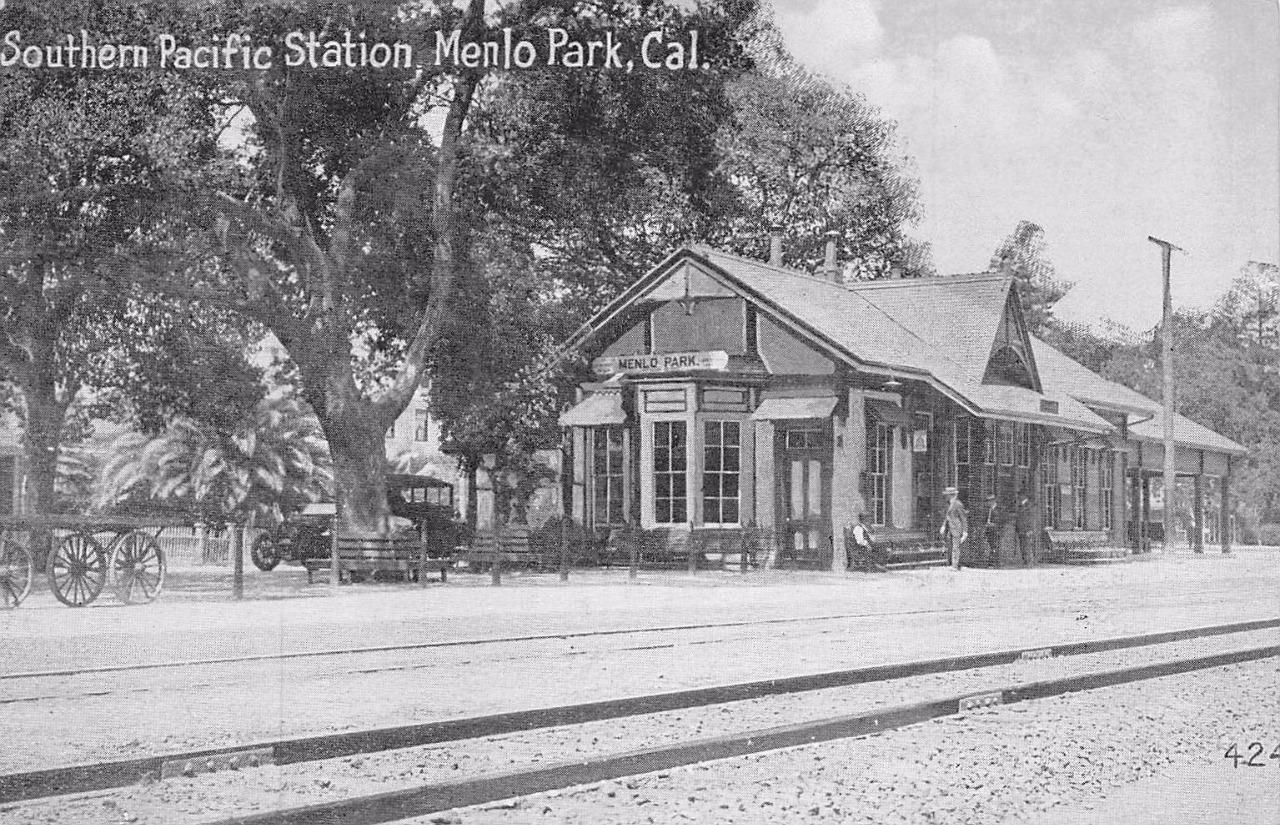
Downtown Menlo Park is anchored by its Caltrain station, a wood-frame depot that is among the older train stations still in use in California and gives the surrounding blocks a sense of continuity with the town's early development as a rail stop. Visitors interested in historic estate architecture sometimes also plan a stop at Holbrook-Palmer Park, a preserved estate property with period buildings and formal gardens — worth noting, though, that it sits in neighboring Atherton rather than Menlo Park itself, so it's a short drive rather than a walk from downtown. For a fuller rundown of specific sites and their backstories, see Top Landmarks in Menlo Park.
Neighborhoods to Wander
Santa Cruz Avenue is the commercial spine of downtown Menlo Park and a good place to spend an hour or two on foot, with independent shops, cafes, and a mix of architecture reflecting different eras of the city's growth. Side streets off the avenue lead into residential blocks with mature trees and a noticeably quieter pace. The Belle Haven neighborhood, closer to the Bayfront, offers a different character and proximity to the waterfront parks described above. Given that Menlo Park has a relatively small population — just under 33,000 residents, per U.S. Census Bureau 2024 ACS 5-year estimates — neighborhood exploration here tends to feel low-key rather than crowded, even in commonly visited areas.
Planning Your Visit
Most of Menlo Park's outdoor spaces and neighborhood walks involve no admission cost, while cultural stops like the Allied Arts Guild mix free areas with ticketed or purchase-based experiences. If you're deciding when to come, Best Time to Visit Menlo Park covers seasonal considerations. For food options after a day of sightseeing, see Where to Eat in Menlo Park. And if you want a structured plan rather than an a la carte list, the Menlo Park 1-Day Itinerary and Menlo Park 3-Day Itinerary lay out routes that combine several of the categories above. Common visitor questions, including logistics and access details, are addressed in the Menlo Park FAQ.