West Hartford Travel Guide: Things to Do, Landmarks, Food, and Itineraries
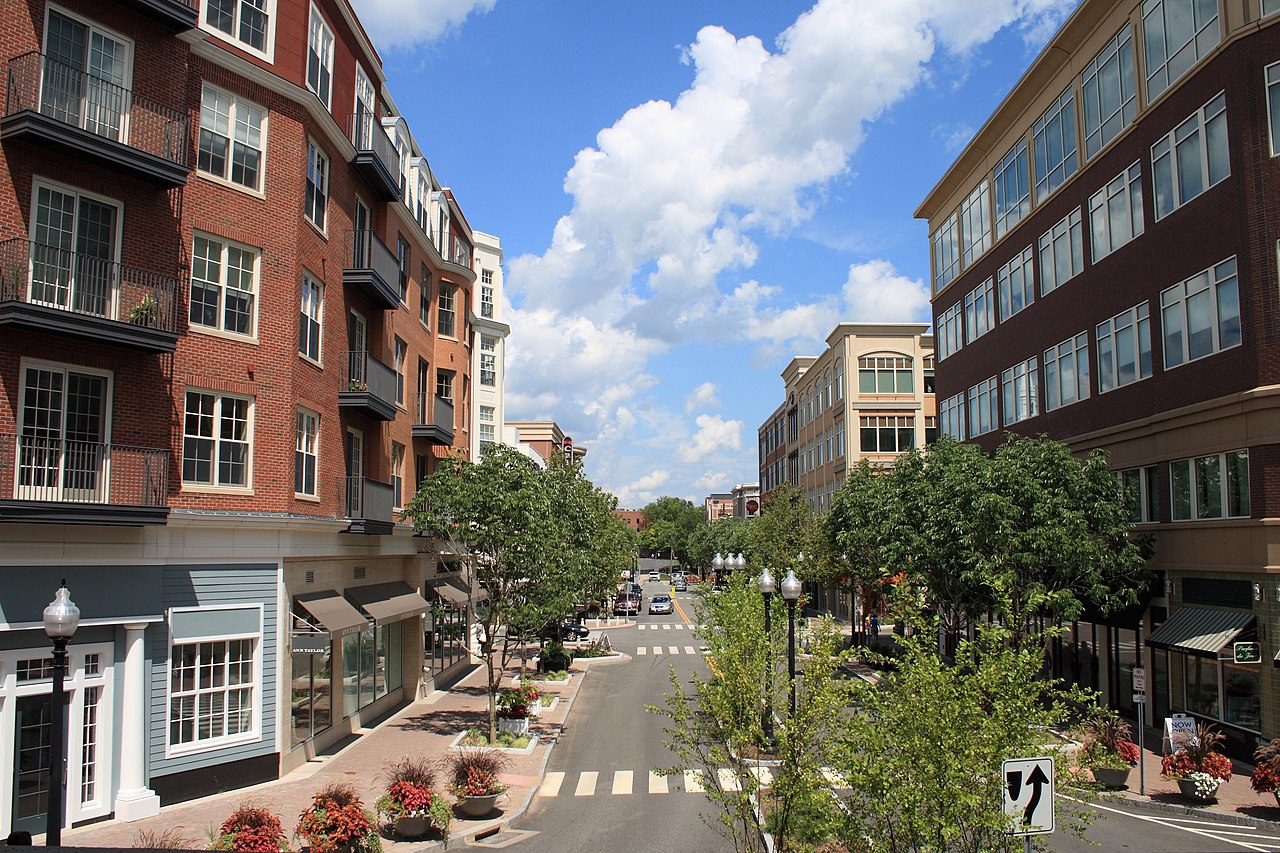
West Hartford, Connecticut sits just west of the state capital, Hartford, and carries a character distinctly its own. With a population of around 63,809 (2024 ACS 5-year estimates) and a walkable town center that draws visitors from across the region, West Hartford rewards the kind of traveler who wants a compact, well-rounded destination without the noise and pace of a major city. Tree-lined streets, a strong independent dining scene, and a mix of cultural institutions and outdoor spaces make West Hartford worth a dedicated visit — or a natural extension of time already spent in the greater Hartford area.
This guide covers the practical essentials: the areas worth knowing, how to spend your time, where to eat, how to get around, and what families and first-time visitors should keep in mind.
Why West Hartford
West Hartford occupies an interesting position in Connecticut travel. It is suburban in form but genuinely urban in texture along its main commercial corridors. The town consistently attracts visitors looking for quality dining, walkable retail, and cultural destinations without the logistical weight of a large city. Proximity to Hartford means several major state-level institutions — theaters, the capitol building, the Wadsworth Atheneum — are a short drive or ride away, effectively expanding what a visit here can cover.
Median household income is approximately $125,600 (2024 ACS 5-year estimates), and the town's median age of 40.3 reflects a predominantly established residential base.

Neighborhoods and Areas Worth Knowing
West Hartford Center is the anchor of any visit. This walkable district along LaSalle Road and Farmington Avenue concentrates the bulk of the town's restaurants, cafes, boutique shops, and a handful of cultural venues into a tight, strollable grid. Weekend afternoons here are lively, with sidewalk seating and foot traffic that makes the area easy to explore without a plan.
Blue Back Square sits adjacent to West Hartford Center and adds a more planned retail and dining environment with structured parking. It draws a mix of chain and independent businesses and tends to have evening activity well into weeknight hours.
Bishops Corner is a separate commercial node to the north, quieter than the Center but home to additional dining and everyday retail. Visitors staying multiple days may find it worth exploring for a change of pace.
The reservoir area on the western edge of town provides a green buffer that locals use extensively for walking, running, and general outdoor time. It offers a contrast to the commercial core that can be welcome after a few hours of shopping and eating.
Things to Do in West Hartford
West Hartford's mapped attractions, museums, and historic sites number in the hundreds when you include the broader surrounding area. The town itself concentrates a meaningful portion of those within easy reach. For a fuller breakdown, see the Best Things To Do in West Hartford.
Noah Webster House & West Hartford Historical Society is one of the most historically significant sites in the town. Webster, author of the first major American dictionary, was born in West Hartford, and the house associated with his early life is open to the public. Check the official site for current hours and admission details before visiting.
The Children's Museum is a long-standing institution that covers natural history, science, and live animals, making it a common stop for families. Admission policies and hours are updated periodically, so confirm directly with the museum.
Elizabeth Park straddles the border between West Hartford and Hartford and is widely known for its formal rose garden, which reaches peak bloom in late spring through early summer. The park is free to walk and offers a genuinely pleasant afternoon, particularly outside of peak summer heat. Paved paths, open lawns, and a pond make it accessible for a range of visitors.
The MDC Reservoir trails offer several miles of walking and jogging paths with views of open water and woodlands. No admission is required for the walking areas, though rules around access can vary — check posted signage or the Metropolitan District's official communications for current access conditions.
For visitors with a few days to explore the broader region, Connecticut hosts a significant number of National Park Service sites — the surrounding area encompasses roughly 36 NPS-affiliated locations. These range from heritage corridors to historic properties and are worth researching if your trip extends beyond the immediate West Hartford area.
For a curated look at the town's most commonly visited landmarks, the Top Landmarks in West Hartford page goes deeper.

Where to Eat in West Hartford
West Hartford has a dining environment that punches above its size. The town supports roughly 588 mapped restaurants and cafes across its commercial areas, with the highest concentration in and around West Hartford Center and Blue Back Square. The range covers casual lunch spots, sit-down dinner restaurants, specialty coffee shops, bakeries, and a diverse spread of international cuisines.
West Hartford Center in particular has developed a reputation as a dining destination for the broader Hartford metro area. On weekend evenings, many restaurants along Farmington Avenue and the surrounding blocks see notable foot traffic, so reservations are generally advisable for dinner. Lunch hours tend to be more forgiving.
Cuisine options across the town include Italian, Japanese, Indian, Mexican, Middle Eastern, and New American, among others. The density of independent operators — as opposed to chain restaurants — is a genuine characteristic of the dining scene here, particularly within the Center.
For a more detailed look at where to eat by category and area, visit Where to Eat in West Hartford.
Getting Around West Hartford
On foot: West Hartford Center and the Blue Back Square area are well-suited to walking. Most visitors staying near the Center find they can handle the bulk of their daytime activity without a car.
By car: A personal vehicle remains the most flexible way to move between West Hartford's commercial districts, the reservoir, and nearby Hartford attractions. Traffic along Farmington Avenue can slow during weekday commute hours and weekend evenings.
By transit: CTtransit operates bus service connecting West Hartford to Hartford and other surrounding communities. Routes along Farmington Avenue are among the more frequently served. Check the CTtransit website for current route maps, schedules, fare information, and accepted payment methods.
Between West Hartford and Hartford: The two communities are effectively adjacent. Many visitors base themselves in West Hartford and make easy day trips into Hartford to visit the Wadsworth Atheneum, the Mark Twain House, Bushnell Park, or the Connecticut Science Center.
Parking in West Hartford
West Hartford Center has structured parking available, including municipal lots near the main retail and dining blocks. Blue Back Square has its own structured garage. Street parking exists throughout the Center but can be competitive during peak hours on weekends and weekday evenings. Arriving earlier in the day or using the municipal lots tends to reduce friction. Parking rates and time limits can change, so check posted signage or the town's official parking information for current conditions.
Visitor Tips
- West Hartford rewards slow travel. The Center is compact enough that a morning or afternoon on foot covers a lot of ground without rushing.
- Weekends are the busiest time in West Hartford Center, particularly Saturday afternoons. Weekday visits tend to be quieter, and lunch hours on weekdays can mean shorter waits at popular restaurants.
- The best time to visit for outdoor activity is late spring through early fall, though West Hartford's commercial core stays active year-round. For more guidance on seasonal timing, see Best Time to Visit West Hartford.
- West Hartford is an ordinary suburban-urban environment. Standard urban awareness — keeping an eye on your belongings in busy areas — applies, but the town does not require special precautions beyond what any visitor to a populated area would practice.
- Many of the town's restaurants are independently owned, and smaller spots can fill up quickly without reservations. Planning ahead for dinner is advisable, especially on weekends.
Family Tips
West Hartford is a practical destination for families. The Children's Museum is an obvious anchor, but Elizabeth Park, the reservoir trails, and the walkable retail environment of West Hartford Center all work well with children. The Center has ice cream shops, casual cafes, and open plazas that make impromptu stops easy. Families spending more than a day will find enough variety to avoid retracing the same ground. If your group has older children or teenagers, the proximity to Hartford opens up additional options like the Connecticut Science Center and Bushnell Park.
Planning Your Time
If you have a single day, the West Hartford 1-Day Itinerary maps out a coherent route through the town's highlights. For visitors with more time, the West Hartford 3-Day Itinerary extends the coverage into Hartford proper and the surrounding Connecticut region.
West Hartford FAQ
Common questions about visiting West Hartford — including logistics, seasonal timing, and what to prioritize — are answered in the West Hartford FAQ.
A few quick answers to questions that come up frequently:
Is West Hartford worth visiting on its own, or is it just a Hartford add-on? West Hartford stands on its own for a day trip, particularly if dining and walkable neighborhoods are your primary interest. That said, the proximity to Hartford makes the two easy to combine.
How long do most visitors spend in West Hartford? A half-day to full day covers the Center and main attractions comfortably. Two to three days allows for a slower pace and day trips into the broader region.
Do you need a car to visit West Hartford? Not necessarily for West Hartford Center itself, which is walkable once you arrive. But reaching the reservoir, Bishops Corner, or Hartford-area attractions is more practical with a vehicle or reliable transit access.
What is West Hartford best known for? The town is most commonly associated with its walkable downtown center, its dining environment, Elizabeth Park, and the Noah Webster House.