Scranton Travel Guide: Things to Do, Landmarks, Food, and Itineraries
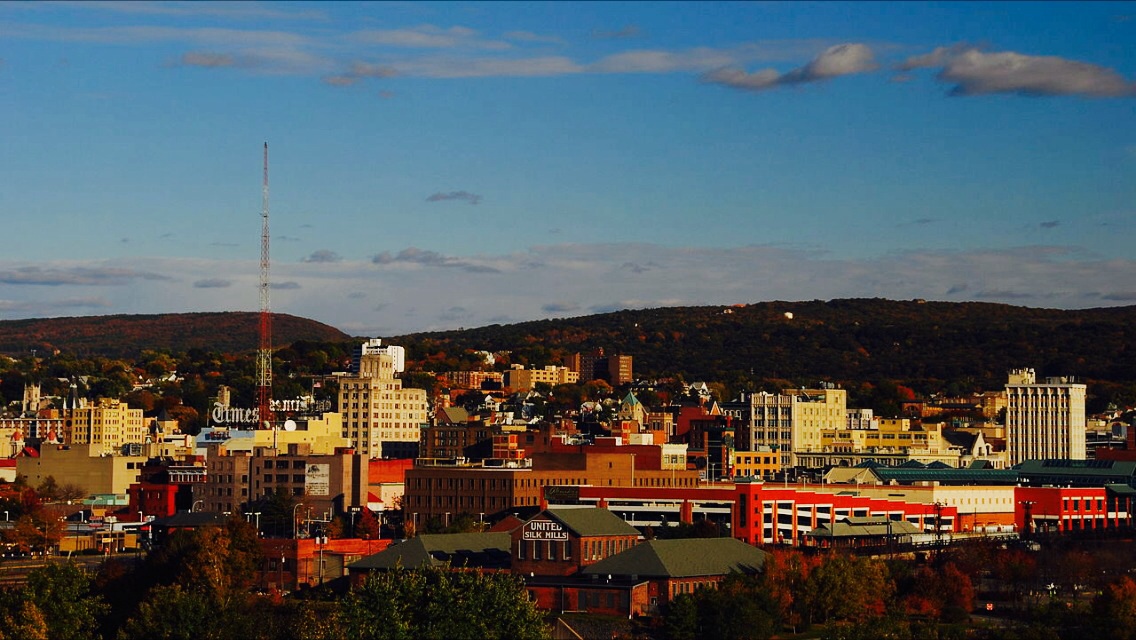
Scranton, Pennsylvania sits in the Lackawanna River Valley in the state's Northeastern region, a couple of hours from both New York City and Philadelphia. Once a center of anthracite coal mining and railroading, the city has spent recent decades reworking that industrial base into museums, trails, and public spaces that explain how the region grew. With a population of about 76,074, Scranton is compact enough to explore without a rigid plan, yet it holds enough variety in its downtown, historic districts, and surrounding valley to fill a full weekend.
This page is the starting point for planning a trip. For deeper detail on any one topic, use the linked guides throughout: Best Things To Do in Scranton, Top Landmarks in Scranton, Where to Eat in Scranton, the Scranton 1-Day Itinerary and Scranton 3-Day Itinerary, Best Time to Visit Scranton, and the Scranton FAQ for quick answers to common visitor questions.
Why Visit Scranton
Scranton's appeal is largely tied to its industrial heritage. The city was a hub for coal mining, iron production, and rail transport in the 19th and early 20th centuries, and much of that history is preserved rather than hidden — in converted rail yards, mine tours, and downtown architecture that still reflects the era. Beyond the history, Scranton offers a walkable downtown core, a handful of green spaces along the Lackawanna River, and a lower cost of visiting relative to nearby major metro areas. It's a reasonable stop for travelers driving between New York and points west, and a practical base for exploring the wider Pocono and Endless Mountains region.

Neighborhoods and Areas Worth Knowing
Downtown Scranton is the commercial and civic core, centered on Courthouse Square and the Lackawanna Avenue corridor. This is where most visitors spend their time, with a mix of government buildings, restaurants, and repurposed historic structures.
The Hill Section, just south and east of downtown, is a residential area known for older homes and tree-lined streets, along with the University of Scranton campus.
South Side and West Scranton are largely residential neighborhoods with their own commercial strips, reflecting the ethnic and working-class communities that grew up around the mining and railroad industries.
North Scranton leads toward Nay Aug Park, one of the city's larger green spaces, and connects to routes heading toward the surrounding suburbs of Lackawanna County.
Each of these areas has a different pace, but nearly all visitor-facing attractions cluster within a short drive or walk of downtown, which keeps logistics simple.
Things to Do: A First Look
Scranton's attractions lean toward museums, historic sites, and outdoor space rather than large-scale entertainment districts. The former rail yard turned Steamtown National Historic Site anchors the downtown area and gives a sense of the city's railroading past through preserved locomotives and rail infrastructure. Underground coal mine tours in the area let visitors see mining conditions firsthand, and several museums throughout the city cover topics from regional history to pop culture. Nay Aug Park offers trails, an overlook, and green space for a slower-paced afternoon.
Because the city sits within the broader Northeastern Pennsylvania and Mid-Atlantic region, it's also within reach of a number of National Park Service–affiliated sites and historic areas beyond Steamtown itself; check the National Park Service website for current details on any site you plan to visit, since hours and access can change. For a fuller rundown of attractions with more context, see the Best Things To Do in Scranton guide, and for a focused look at specific historic sites and buildings, check Top Landmarks in Scranton.

Where to Eat
Scranton's food scene reflects its immigrant and working-class roots, with a strong presence of Italian-American and Eastern European influences alongside more contemporary options. Downtown and the surrounding neighborhoods have a mix of casual pizzerias, delis, diners, and sit-down restaurants, along with coffee shops and bakeries that draw on long-running local traditions. Pierogi and other Eastern European dishes show up on menus around the city, a legacy of the communities that settled here during the mining era. For a broader overview of where to find different types of food and how the dining scene is organized by area, see Where to Eat in Scranton.
Getting Around Scranton
Scranton is a car-friendly city, and most visitors will find having a vehicle useful for reaching attractions spread across different neighborhoods or for day trips into the surrounding valley. Downtown itself is walkable once you've parked, with many attractions, restaurants, and historic buildings within a few blocks of each other.
Local public bus service connects downtown with surrounding neighborhoods and nearby municipalities, and contactless tap-to-pay options may be available depending on the current system in place — check the local transit authority's website for up-to-date route maps and payment details before you go. Rideshare services also operate in the area. If you're arriving from outside the region, Scranton is accessible by car via interstate highways, and regional bus service connects to larger cities including New York and Philadelphia.
Parking Considerations
Downtown Scranton has a combination of on-street parking and parking garages or surface lots serving the courthouse square area and nearby attractions. Because rates, time limits, and enforcement policies can change, it's worth checking signage on-site or the city's parking authority website rather than relying on older information. If you're visiting during a specific event or peak season, arriving a little early to secure convenient parking is a reasonable precaution.
Visitor Tips
Comfortable walking shoes are useful for downtown exploring and for any of the outdoor or mine-tour attractions, which often involve uneven terrain. Layered clothing is a practical choice given the seasonal swings typical of Northeastern Pennsylvania — for a closer look at how the seasons affect a visit, see Best Time to Visit Scranton. As with any city, ordinary urban awareness is a good habit: keep valuables out of sight in parked vehicles, stick to well-lit and populated areas after dark, and check current conditions or advisories before heading out to less-traveled trails or overlooks.
Family Tips
Scranton has several attractions that work well for families, particularly the hands-on history offered by rail and mining sites, which tend to appeal to a range of ages. Nay Aug Park and other green spaces provide room for kids to move around between museum stops. Many of the city's museums and historic sites offer some form of family or group pricing, though because these details change, it's best to check each attraction's official site directly rather than assume a rate in advance.
Planning Your Visit
For a quick trip, the Scranton 1-Day Itinerary lays out a practical route through the city's core attractions. If you have more time, the Scranton 3-Day Itinerary spreads things out to include day-trip options in the surrounding valley. And if you still have logistical questions after reading through this guide — from weather patterns to transit specifics — the Scranton FAQ is built to answer the most common ones in one place.
Scranton rewards visitors who are interested in industrial history and don't mind a slower, less crowded pace than a larger East Coast city. It won't suit travelers looking for large-scale nightlife or shopping, but as a well-known regional stop with a distinct historical identity, it's worth considering for a weekend trip or a stopover between larger destinations.