Where to Eat in San Diego
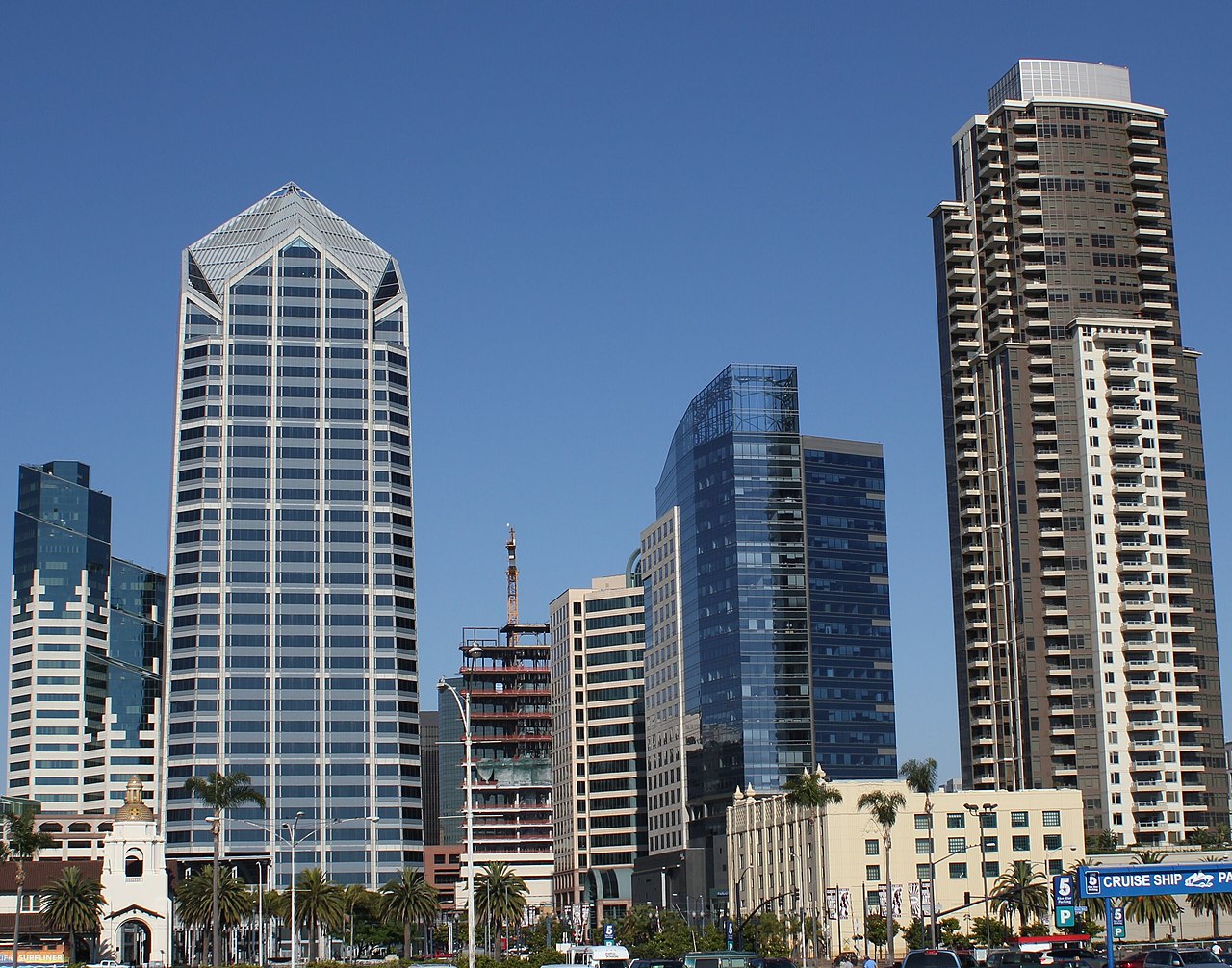
San Diego, CA sits at the southern edge of California where the Pacific Ocean, the U.S.-Mexico border, and a year-round mild climate combine to shape one of the more distinctive food scenes on the West Coast. With close to 3,000 mapped restaurants and cafes across the city, the range runs from fish tacos eaten at a picnic table to multi-course tasting menus served in converted Victorian buildings. This guide organizes that landscape by neighborhood and cuisine type so you can eat well wherever your itinerary takes you. If you're still planning your trip, the San Diego Travel Guide: Things to Do, Landmarks, Food, and Itineraries is a good place to start.
How San Diego Eating Works by Neighborhood
San Diego's dining geography follows its neighborhood geography, which is to say it's spread out. The city covers a large area with distinct pockets — downtown, the beach communities, the inland neighborhoods, and the border-adjacent zones — and each has its own culinary character. Getting between them typically means a car or rideshare, though the trolley and local bus network can connect several of the more central areas if you're staying downtown. Check current transit options and routes at the Metropolitan Transit System's official site before you rely on a specific line.

Downtown and the Gaslamp Quarter
The Gaslamp Quarter, just south of Petco Park, is among the most restaurant-dense stretches in central San Diego. The quarter-mile blocks along Fifth Avenue concentrate gastropubs, seafood spots, steakhouses, and rooftop bars within easy walking distance. Crowds pick up around game days and weekends, so if you prefer a quieter meal, arriving early or choosing a spot a block or two off the main drag tends to help.
East Village, directly adjacent to the ballpark, has seen significant development and now holds a solid mix of casual and sit-down options. The area works well if you're heading to or from a game and want to eat without committing to a long walk.
Little Italy
Little Italy runs north from downtown along India Street and has long attracted a concentration of Italian-American restaurants alongside newer spots serving different cuisines. The Little Italy Mercato, a well-established farmers market, typically runs on Saturday mornings — confirm the current schedule at the Little Italy Association's official site before visiting — and draws food vendors alongside produce stalls. For a full picture of what's happening in the neighborhood, the Best Things To Do in San Diego page covers the Mercato and other neighborhood draws in more detail.
Convoy District
The stretch of Convoy Street in Kearny Mesa is commonly referred to as San Diego's primary hub for East and Southeast Asian cuisine. Korean barbecue restaurants, Taiwanese noodle shops, Japanese ramen spots, Vietnamese pho houses, and Hong Kong-style cafes cluster here in a way that's difficult to find concentrated elsewhere in the city. Convoy is worth the drive from downtown if you have a specific craving for this type of food.
Barrio Logan and Logan Heights
Barrio Logan, just south of downtown along the bay, is known for its concentration of taqueries, Mexican bakeries, and restaurants serving regional Mexican cooking. Authentic preparations of dishes tied to Baja California and interior Mexican states — birria, carnitas, chile rellenos — are consistently available here. The neighborhood is also home to Chicano Park and a number of art murals, which makes it a natural pairing if you're spending a half-day exploring the southeastern waterfront.
North Park and South Park
North Park sits inland from Balboa Park and has accumulated a strong independent restaurant scene over the past decade. The intersection of 30th Street and University Avenue is a useful reference point — restaurants, bars, and cafes extend in several directions from there. South Park, just south of Balboa Park, skews slightly quieter and is known for brunch spots and neighborhood bistros with a local following.
Both neighborhoods work well if you're spending time around Balboa Park. For what to see in and around the park itself, check out Top Landmarks in San Diego.
Hillcrest
Hillcrest, north of Balboa Park, is a dense commercial strip with strong representation from brunch-focused cafes, LGBTQ+-owned businesses, and eclectic dinner spots. University Avenue through Hillcrest carries a lot of foot traffic on weekends. The neighborhood is also a reasonable base for eating if you're visiting Balboa Park's museums, since it sits within walking distance of the park's northern entrance.
Ocean Beach, Pacific Beach, and Mission Beach
The beach communities west of Interstate 5 operate at a different pace than downtown. Ocean Beach in particular maintains a casual, counter-service-friendly character — fish tacos, burritos, and craft beer define the eating culture here more than white-tablecloth dining. Newport Avenue is the main commercial street in Ocean Beach.
Pacific Beach along Garnet Avenue draws a younger crowd and has a solid lineup of casual restaurants and taco shops, particularly along the stretch closest to the boardwalk. Mission Beach, sandwiched between Ocean Beach and Pacific Beach, is smaller and primarily residential, but a few well-known breakfast and lunch spots operate near the boardwalk.
If you're visiting in the summer or around a holiday weekend, parking in all three beach communities can become a significant project. Many visitors park further inland and walk or use rideshare.
La Jolla
La Jolla sits about 15 miles north of downtown San Diego and carries a notably different dining character — upscale seafood restaurants, French-influenced bistros, and hotel dining rooms are more common here than taco stands. Prospect Street and Girard Avenue form the commercial core. The proximity to the ocean means fresh fish is well-represented on menus throughout the area.
Old Town San Diego
Old Town San Diego clusters around the state historic park and draws significant visitor traffic, which means the restaurants here lean heavily toward Mexican and Californio-style food served in a tourist-friendly format. Quality varies, as it tends to in high-traffic tourist corridors, but the neighborhood is convenient if you're already visiting the historic park and don't want to travel far for lunch. The San Diego 1-Day Itinerary routes through Old Town for travelers fitting multiple sites into a single day.
Point Loma and Liberty Station
Liberty Station, the redeveloped former Naval Training Center in Point Loma, holds a mix of restaurants and food vendors in a campus-style layout. The variety skews casual to mid-range, and the open-air layout makes it comfortable for families. Point Loma more broadly has a quieter dining scene than downtown but offers solid neighborhood options — particularly for seafood, given its position on the bay.
Food Near Major Landmarks
Balboa Park: The park itself contains a few cafes and a restaurant inside the historic buildings, but North Park and Hillcrest, both within walking distance, offer more choices. For a fuller meal before or after visiting the park's museums, heading to either neighborhood gives you significantly more range.
Petco Park and the Gaslamp Quarter: These two areas overlap enough that if you're at a game or event at Petco Park, the Gaslamp Quarter's restaurants are within easy walking distance. The San Diego 3-Day Itinerary includes suggestions for building a downtown evening around both.
Cabrillo National Monument: The monument sits at the tip of Point Loma, which has limited food options immediately adjacent to the park. Plan to eat before visiting, or head back toward Liberty Station or the main Point Loma commercial district afterward.
Sunset Cliffs Natural Park: Like the monument, the Cliffs area has minimal food infrastructure right at the site. Ocean Beach is the logical stop before or after, and it's only a short drive or walk north.
What to Eat in San Diego
Certain foods have a particularly strong local identity in San Diego, CA:
Fish tacos: Popularized by the proximity to Baja California, fish tacos — typically battered and fried or grilled, served with cabbage and a white sauce — are available across virtually every neighborhood and at nearly every price point. This is the most culturally specific "San Diego food" you'll find.
California burritos: A regional variation on the burrito that includes french fries inside the wrap. It's a Southern California phenomenon, and San Diego is often cited as its origin point.
Craft beer: San Diego is widely credited with being among the earliest and most active craft brewery scenes in the country. Most neighborhoods have at least one brewery taproom, and many restaurants maintain taps with locally produced beers. Balboa Park and North Park, in particular, have high concentrations of taprooms.
Seafood: The Pacific Ocean and proximity to the Gulf of California mean that fresh fish, ceviche, and shellfish preparations are a consistent presence on menus across the city, especially in La Jolla, Point Loma, and the Gaslamp Quarter.
Planning Tips
San Diego's restaurant scene skews casual compared to cities like Los Angeles or San Francisco, but high-end options exist in La Jolla and Little Italy. Reservations are worth making on weekends and in tourist-heavy areas like the Gaslamp Quarter. Many taco shops and counters operate late — in some cases through the night — which makes post-bar eating easier here than in many comparable cities.
If you're working out the timing for your visit, the Best Time to Visit San Diego page covers how season and local events affect crowds and availability. For any lingering questions about getting around or planning meals around specific attractions, the San Diego FAQ is a useful follow-up.