Best Time to Visit San Diego
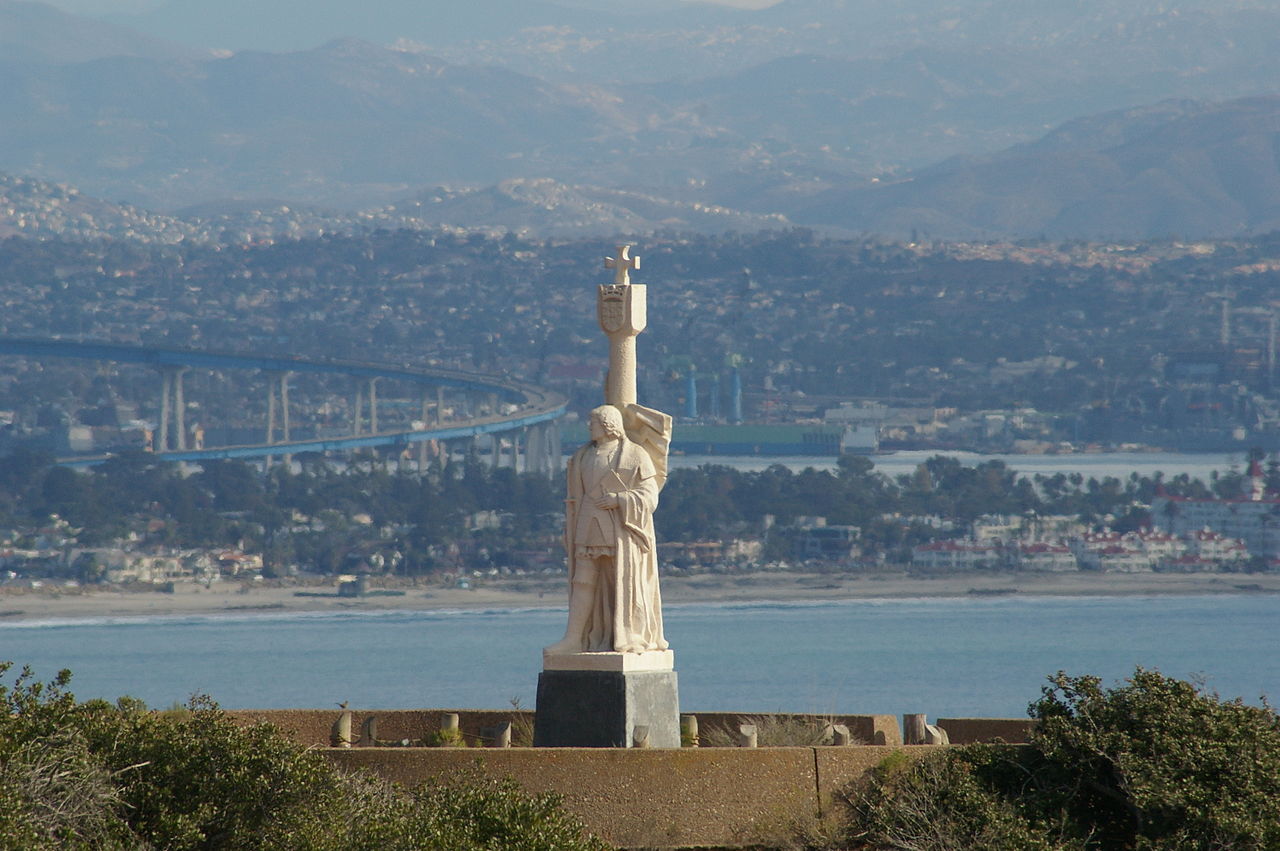
San Diego has a reputation for near-constant sunshine, and that reputation is mostly earned. The city's Mediterranean climate means warm, dry summers and mild, occasionally wet winters — a combination that makes it genuinely appealing throughout the year. That said, the experience of visiting in July versus January is quite different, and knowing what each season actually feels like on the ground helps you make the most of your trip. Whether you're planning a first visit or returning with more time to explore, here's a season-by-season look at what San Diego has to offer.
Spring (March through May)
Spring is one of the more underrated windows for visiting San Diego. The city begins to shake off its winter rain by March, and temperatures settle into a comfortable range that makes walking, hiking, and outdoor sightseeing genuinely pleasant without the intensity of summer heat. Coastal areas stay a bit cooler than inland neighborhoods, so what you wear may depend more on where you're spending your day than on the calendar date.
Crowds are lighter in spring than in summer, which means shorter waits at popular attractions and a bit more breathing room along the waterfront. The hillsides east of the city and parks like those surrounding Balboa Park often look their greenest in early spring, before the dry season sets in. For anyone interested in outdoor activities — hiking, cycling, or simply walking the neighborhoods — spring conditions tend to be some of the most comfortable San Diego offers.
Spring is also a shoulder season from a pricing standpoint. Flights and accommodations tend to be more available and, in many cases, more competitively priced than during the peak summer months, though that can shift depending on specific travel dates and events in the area.

Summer (June through August)
Summer is peak season in San Diego, and the city fills up noticeably — both with domestic visitors and with international travelers. If you're planning a beach-focused trip, this is the obvious season to consider, but there are a few things worth knowing before you go.
The first is what locals call "June Gloom." Through much of June and into early July, a marine layer rolls in from the Pacific, leaving coastal areas overcast in the mornings and sometimes for much of the day. The gray can catch first-time visitors off guard if they're expecting relentless sunshine. The overcast usually burns off by midday or afternoon, but it's a real phenomenon and worth factoring in.
By mid-July and August, the marine layer retreats and the days get sunnier and warmer. This is when the beaches draw the biggest crowds, and downtown San Diego — particularly the Gaslamp Quarter — sees heavy foot traffic on weekends. Balboa Park, the waterfront, and neighborhoods like Little Italy and La Jolla get busy. Parking and transit can be competitive; the city has an extensive bus and trolley network — check the San Diego Metropolitan Transit System (MTS) website for current fare and payment options — which can be a more practical way to move around during peak summer weekends than renting a car.
Summer also brings a number of large-scale events to San Diego — check local event calendars closer to your travel dates for what's scheduled, as the lineup shifts year to year.
For more on what to do once you arrive, see Best Things To Do in San Diego or consider using the San Diego 3-Day Itinerary as a starting framework.
Fall (September through November)
Fall is arguably the most pleasant season to visit San Diego from a purely weather-based perspective. September and October bring what many locals consider the city's finest conditions: sunny skies, warm temperatures, and noticeably thinner crowds now that summer vacation season has ended. The marine layer is largely gone, and the days are long enough to get a lot done outdoors.
One thing to be aware of: the Santa Ana winds, which can arrive in the fall and occasionally into winter, push hot, dry air from the interior desert toward the coast. These periods are usually brief but can make conditions feel unusually warm and dry. They're a normal part of life in Southern California.
The fall shoulder season also means that many popular sites — from Cabrillo National Monument to the neighborhoods of North Park and Mission Hills — are easier to explore without the density of peak summer visitors. Outdoor dining, beach walks, and exploring San Diego's landmarks all feel a bit more relaxed.
Winter (December through February)
Winter in San Diego is mild by almost any U.S. standard, which makes it worth considering if you want to escape colder weather elsewhere in the country. That said, this is also San Diego's rainy season. Rainfall is typically modest, and many winter days are perfectly clear, but the occasional wet stretch is a real possibility — especially in January and February.
Crowds drop significantly in winter outside of the holiday travel window around late December. Museums, parks, and attractions along the waterfront are far less congested. Whale watching along the coast becomes a seasonal draw, with gray whales commonly spotted on their migration routes during this period — check local tour operators for current availability and conditions.
Winter is also the most budget-friendly season for many visitors, with accommodation availability generally higher than the rest of the year. If your trip is primarily focused on food, neighborhoods, culture, and indoor attractions, winter can be an efficient and comfortable time to visit.
For an overview of dining options among the thousands of restaurants and cafes across San Diego's neighborhoods, the Where to Eat in San Diego guide is a good place to start.
Shoulder Season Advice
The sweet spots for balancing good weather, manageable crowds, and reasonable costs are late spring (mid-April through May) and early fall (September through October). Both windows offer San Diego's characteristic sunshine without the summer peak, and both tend to see more accommodation flexibility than July or August.
If you're visiting primarily for outdoor recreation — the beaches, the two National Park Service sites in the area, or the hiking trails to the east of the city — these shoulder periods can stretch your trip further than a peak-summer visit would.
Quick Planning Notes
- For beach weather: Mid-July through September is the most reliable window.
- For thinner crowds: Late fall and winter offer the most breathing room at popular sites.
- For a first visit: October is often cited by longtime residents as an ideal month — clear skies, warm days, and a city that isn't at maximum capacity.
- Year-round: San Diego's indoor attractions, neighborhoods, and food scene hold up across all seasons.
For a broader look at what to plan around, visit the San Diego Travel Guide: Things to Do, Landmarks, Food, and Itineraries or browse the San Diego FAQ for answers to common visitor questions. If you're working with limited time, the San Diego 1-Day Itinerary offers a focused starting point for a single-day visit.