San Antonio 3-Day Itinerary
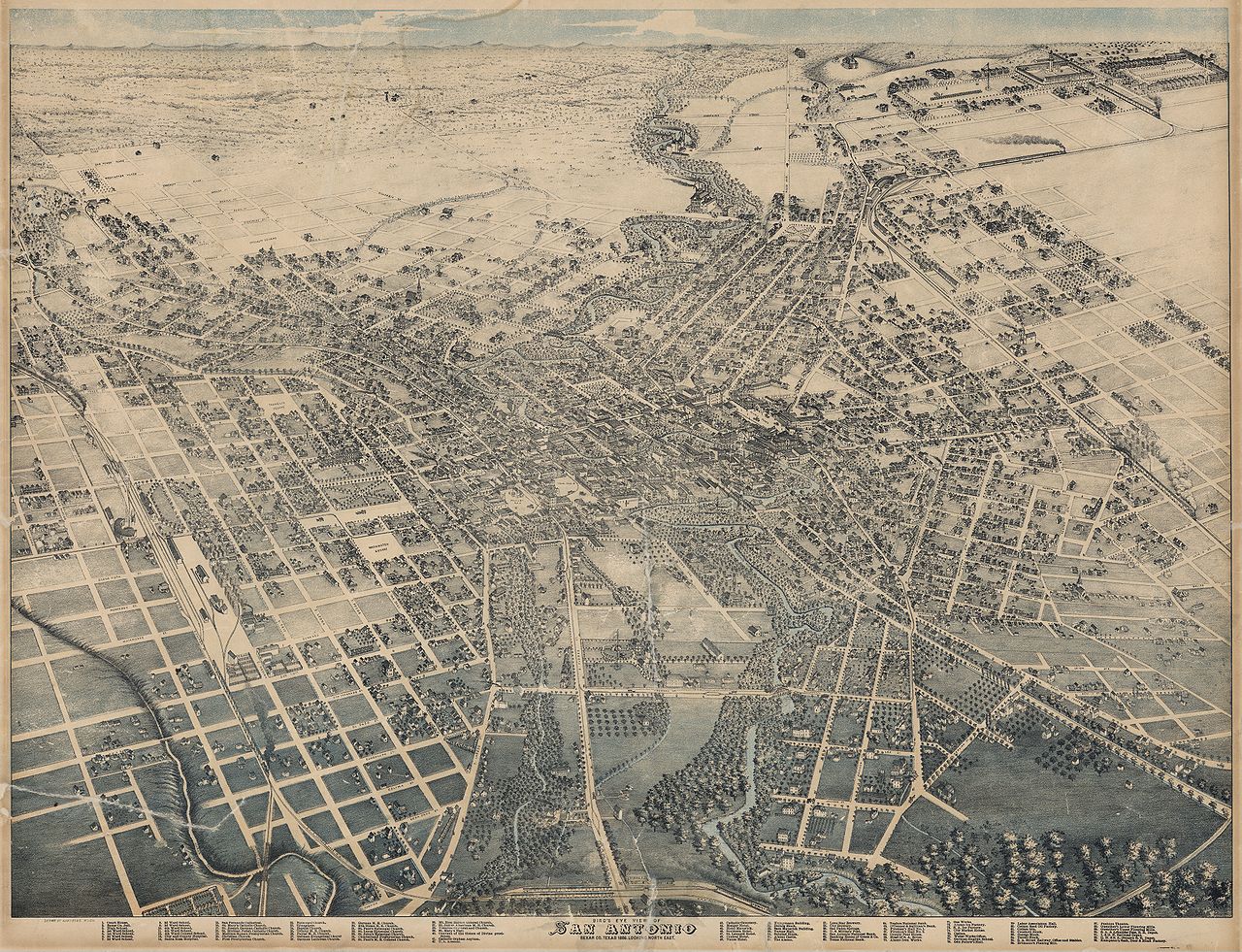
San Antonio is a large Texas city — home to roughly 1.46 million residents — with a downtown core dense enough to explore on foot and a surrounding metro that rewards those willing to venture a little farther. Three days gives you enough time to cover the iconic sites along the River Walk, dig into the distinct neighborhoods and museums that define the city's cultural identity, and get outside into the limestone landscape that lies just beyond the city limits. This guide divides the visit into three themed days so you can pace yourself without bouncing back and forth across town.
If your schedule only allows a single day, the San Antonio 1-Day Itinerary distills the essentials. For a broader overview of what San Antonio offers, the San Antonio Travel Guide is a good starting point before you plan.
Before You Go
San Antonio's weather swings considerably by season, so check the Best Time to Visit San Antonio page before you book. The city's VIA Metropolitan Transit bus network covers most of the areas in this itinerary; contactless tap-to-pay is accepted on board, and fares are worth confirming on the VIA official site before you travel. For the downtown core and River Walk, walking or rideshare is often more practical than driving, since parking in the tourist corridor can be competitive on weekends.

Day 1: The Historic Core
The first day is built around the sites that most people associate with San Antonio — the Alamo, the River Walk, and the string of Spanish colonial missions a few miles south. These are the places that draw visitors to San Antonio specifically, and concentrating them on day one clears the calendar for less-obvious experiences later in the trip.
Morning: The Alamo
Start early at the Alamo, the 18th-century Spanish mission that later became the site of the 1836 battle during the Texas Revolution. The main compound sits in the heart of downtown and is managed by the Texas General Land Office. The grounds include the iconic chapel facade, a long barrack, and a garden area. Entry to the grounds is free, though some areas and the museum inside require tickets — check the official Alamo site for current access details and any timed-entry requirements before you visit.
Mornings tend to be less crowded than afternoons, so arriving when the site opens gives you better light for photos and more space to move through the exhibits at your own pace.
Midday: The River Walk
From the Alamo, it's a short walk to the River Walk, the network of stone pathways that runs along both banks of the San Antonio River below street level. The main tourist loop connects hotels, restaurants, and shops in the downtown bend, while the Museum Reach and Mission Reach extensions stretch north and south respectively through quieter sections of the waterway.
Lunch along the River Walk is easy to find — the strip holds a dense concentration of dining options ranging from Tex-Mex spots to casual American fare. For a broader look at dining across San Antonio, the Where to Eat in San Antonio page covers the city's range of options.
Afternoon: San Antonio Missions National Historical Park
Spend the afternoon at San Antonio Missions National Historical Park, one of three National Park Service sites in or near San Antonio and a UNESCO World Heritage Site. The park preserves four Spanish colonial missions — Mission Concepción, Mission San José, Mission San Juan, and Mission Espada — that were established in the 18th century and stretch south along the river from downtown. Mission San José is the largest and most intact, with a reconstructed mill, granary, and the ornately carved stone portal known as the Rose Window.
The missions are spaced a few miles apart along Mission Road. A car or rideshare makes the most sense for covering all four in an afternoon; cycling is also viable along the Mission Trails connector path if you're comfortable with a longer ride. Check the NPS website for current hours and any ranger-led program schedules before visiting.
Evening: Dinner Downtown
Return downtown for dinner. The blocks around Alamo Plaza and along the River Walk offer a range of dining styles, and the area stays lively into the evening with foot traffic. If you prefer something quieter than the tourist-facing strip, the streets just north of the river — around Houston Street and St. Mary's Street — have a mix of local restaurants worth exploring.
Day 2: Neighborhoods and Culture
The second day moves away from the downtown landmarks and into the residential and arts-focused pockets of San Antonio that give the city its day-to-day character. The King William Historic District, the Pearl, and the city's museum corridor are the anchors.
Morning: King William Historic District
King William sits just south of downtown along the river, a walkable neighborhood of late-19th-century homes built by German merchant families. The architecture is unusually well-preserved for a neighborhood this close to a major city center, ranging from Italianate to Queen Anne styles. The Steves Homestead Museum on King William Street offers a look inside one of the period homes — check their site for current tour schedules and admission details.
The neighborhood is primarily residential, so keep noise levels reasonable as you walk. A few cafés and small restaurants have opened in the area over the years, making it a comfortable place to have a slow morning coffee before the day picks up.
Midday: The Pearl
Head north along the river to the Pearl, a redeveloped district anchored by the former Pearl Brewery complex. The brewery buildings have been converted into restaurants, a hotel, offices, and event spaces surrounding an open plaza. A weekend farmers market has historically operated here on Saturday and Sunday mornings — confirm current days and hours on the Pearl's official website before planning your visit.
Lunch at the Pearl is straightforward, with multiple restaurant concepts in a compact footprint. After eating, the northern Museum Reach section of the River Walk begins nearby, making it easy to walk or take a river barge tour back toward downtown — river barge tours operate seasonally; confirm availability and pricing on-site or through official operators.
Afternoon: Museums
San Antonio has roughly 429 mapped attractions, historic sites, and museums in and around the city, giving visitors with specific interests — art, history, science, military — several options to choose from on an afternoon like this.
The San Antonio Museum of Art, housed in a converted brewery on Jones Avenue, holds a broad collection spanning ancient civilizations through contemporary works, with a particularly strong collection of Latin American art. The McNay Art Museum, in a Spanish Colonial Revival mansion on the north side, focuses on modern and contemporary art in a setting that also rewards visitors who simply want to walk the grounds. Check each museum's official website for current hours and admission pricing before planning your visit.
If museums aren't the priority, the afternoon is also a reasonable time to explore the San Antonio Botanical Garden near Brackenridge Park, which covers native Texas plants, conservatory spaces, and seasonal plantings across a well-maintained campus.
Evening: St. Mary's Strip and Southtown
The stretch of St. Mary's Street north of King William, often called the St. Mary's Strip, is a locally popular corridor for bars, live music venues, and independent restaurants. Southtown, the adjacent neighborhood, has a concentration of art galleries and dining spots that draw a consistent evening crowd. This area gives a more local feel than the River Walk tourist corridor and is worth a few hours of wandering to find whatever looks right on the night.
Day 3: Outdoors and Beyond
The third day shifts focus to green space and the natural landscape around San Antonio. Brackenridge Park serves as the morning anchor within city limits; the afternoon offers the option of a half-day trip to Natural Bridge Caverns, a cave system about 20 miles north of the city.
Morning: Brackenridge Park
Brackenridge Park is a large urban park on the San Antonio River north of downtown. The San Antonio Zoo operates within the park, and the San Antonio Botanical Garden is a short drive away. Trails run through the park's wooded creek corridors, and the area is popular with joggers and families throughout the week.
The zoo covers a broad range of animal species and has been a fixture of the park since the early 20th century. It can fill a full morning, particularly with children. Check the zoo's official site for current admission pricing, parking details, and any seasonal programs.
If the zoo isn't the priority, the park's trails and picnic areas along the river make for a low-key morning walk before heading out for the afternoon excursion.
Afternoon: Natural Bridge Caverns
Natural Bridge Caverns, located roughly 20 miles north of San Antonio in Comal County, is a commercial cave system open for guided tours. The main caverns extend well below the surface through formations of stalactites, stalagmites, and columns that developed over tens of thousands of years in the Edwards Plateau limestone. Multiple tour routes are available at varying lengths and difficulty levels, from a standard walking tour to more physically involved exploration options.
Check the Natural Bridge Caverns official site for current tour offerings, ticket pricing, and advance reservation requirements — tours can sell out on busy weekends and during school holiday periods. The drive takes roughly 30 to 40 minutes via I-35 North depending on traffic; check the Natural Bridge Caverns official site for current directions and a map.
For visitors who prefer to stay in the city, the afternoon could just as easily be spent at one of the other attractions or neighborhoods not covered earlier in the trip. The Best Things To Do in San Antonio page lists additional options across the metro.
Evening: Return and Final Dinner
Back in San Antonio for the evening, the Pearl or downtown areas offer the most concentrated dining and entertainment options for a final night. San Antonio has over 1,400 mapped restaurants and cafés across the metro, spanning Tex-Mex, Mexican regional cuisine, barbecue, international options, and more. If you have specific dietary preferences or want neighborhood-specific recommendations, the Where to Eat in San Antonio page can help narrow things down.
Practical Notes
Getting around: The downtown core, King William, and the Pearl are all walkable or easily connected by rideshare. The missions require a car, bike, or rideshare. Natural Bridge Caverns requires a vehicle.
Safety: San Antonio is a large urban area; the same ordinary awareness that applies in any American city of this size applies here. Keep an eye on your belongings in crowded tourist areas and use well-lit routes in the evening.
Crowds and timing: The River Walk and Alamo see the heaviest foot traffic on weekends and during major events. If your schedule is flexible, weekday mornings at both sites tend to be noticeably calmer.
Planning ahead: For anything involving timed entry, advance tickets, or reservation requirements — the Alamo, the missions, Natural Bridge Caverns, and some museums — checking official sites before you arrive will save time and potential disappointment.
For answers to common logistical questions, the San Antonio FAQ page covers transportation, neighborhoods, and travel basics. A full overview of landmarks across the city is also available at Top Landmarks in San Antonio.