San Antonio 1-Day Itinerary

San Antonio is one of the largest cities in Texas — home to roughly 1.46 million residents — and it packs a genuinely dense concentration of history, architecture, and food into a compact downtown core. For a first-time visitor with a single day, the challenge is not finding things to do: the city has upward of 400 mapped attractions, museums, and historic sites. The challenge is choosing well and moving efficiently. This itinerary builds a realistic route — morning through evening — that keeps travel time low and keeps you close to what makes San Antonio distinctive.
If you have more time or want to plan ahead, the San Antonio 3-Day Itinerary goes deeper on neighborhoods and day trips. For a broader overview, start with the San Antonio Travel Guide: Things to Do, Landmarks, Food, and Itineraries.
Before You Go
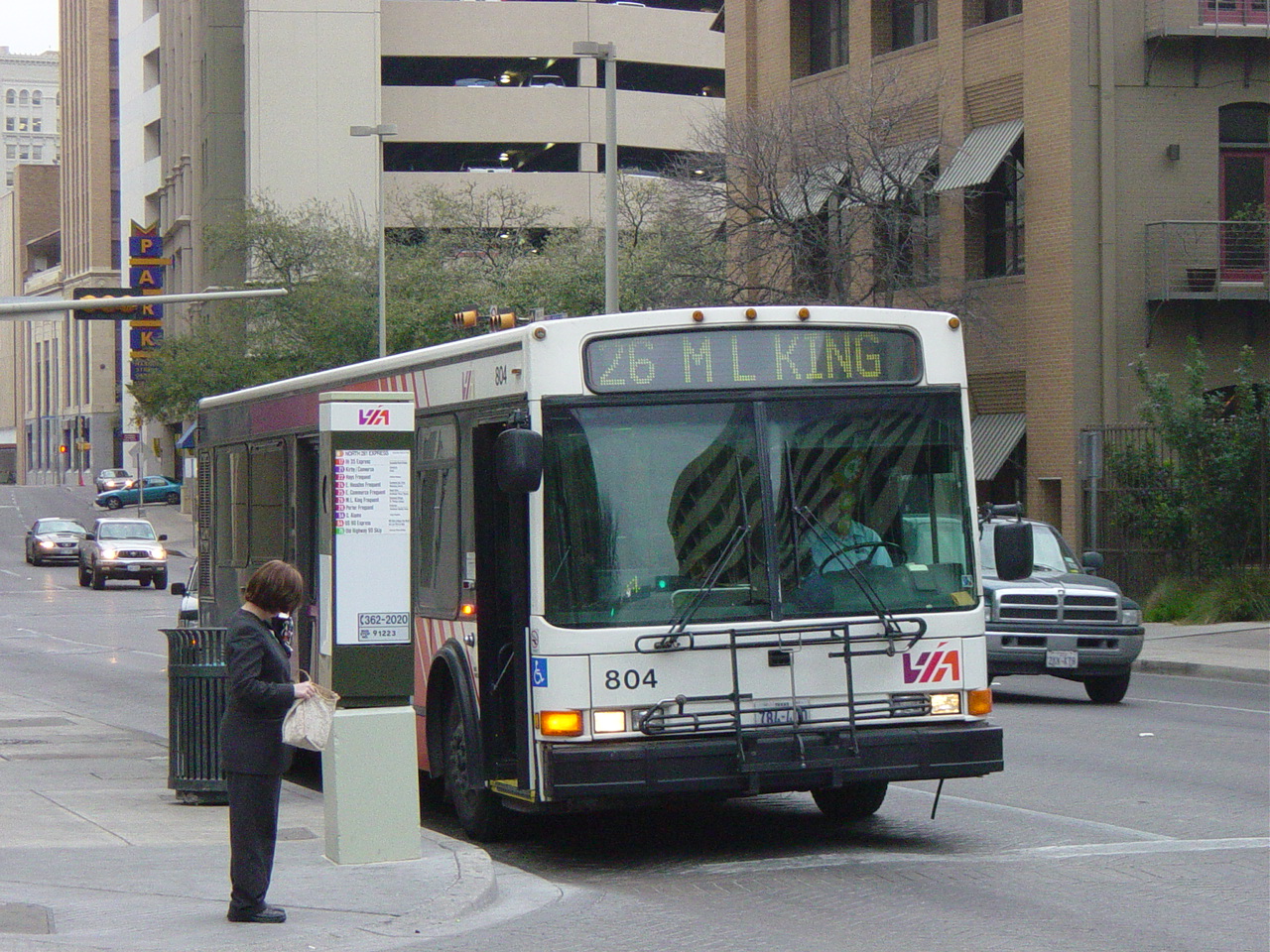
San Antonio's downtown is walkable in a way that most Texas cities are not, but distances between major stops still add up. Comfortable shoes matter. The city operates a bus network through VIA Metropolitan Transit, and contactless tap-to-pay is supported, which makes hopping a bus or the downtown streetcar straightforward. Check the VIA website for current fares and routes before your trip — schedules and pricing change periodically.
Summers in San Antonio run genuinely hot. If your visit falls between June and September, build shade and water stops into the plan. For timing advice on when conditions are most comfortable, the Best Time to Visit San Antonio page covers seasonal trade-offs in detail.
Morning: The Alamo and the Historic Core (8 a.m. – Noon)
Start the day at the Alamo. Arriving early — before mid-morning foot traffic builds — makes a real difference at one of the most commonly visited historic sites in the country. The mission-era chapel and grounds sit right in the heart of downtown, and the surrounding plaza area gives you a sense of how the city has layered centuries of history on top of each other.
The Alamo is managed by the Texas General Land Office, and it's worth checking the official Alamo website before you go for current hours, any timed-entry requirements, and what's included in free versus ticketed access — those details shift. Plan for at least 45 minutes to an hour on site, longer if you want to move through the exhibits at a relaxed pace.
From the Alamo, it's a short walk west to Main Plaza and San Fernando Cathedral. The cathedral dates to the 18th century and is still an active parish, so be respectful of any services in progress. The plaza itself is a good place to get a ground-level feel for the older street grid of downtown San Antonio before the city scaled up around it.
Spend the late-morning hours in this corridor. There are several cafes and breakfast spots within a few blocks if you need coffee or an early meal before the afternoon push. For a broader look at the dining options in this part of the city, the Where to Eat in San Antonio page covers the range well.
Afternoon: The River Walk and the Pearl District (Noon – 5 p.m.)
From Main Plaza, it's an easy walk south and east to the River Walk — the Paseo del Río — which runs through a channel below street level for several miles. The central loop, which winds around downtown, is the most accessible stretch and connects a dense run of restaurants, bars, and public plazas along the water. This is a natural place for lunch; the waterfront seating is popular and the concentration of options means you can find a range of price points.
After lunch, consider walking or taking a VIA bus north to the Pearl District. The Pearl occupies the site of a former 19th-century brewery complex on the northern edge of the River Walk, and it's developed into one of the more active mixed-use areas in the city — weekend farmers' market, independent restaurants, and a hotel all operating around the preserved industrial architecture. It's about a mile and a half from the Alamo on foot, or a short bus ride up Broadway.
Spend the mid-afternoon exploring Pearl's footprint, which is compact enough to cover casually in 90 minutes. If you're more interested in Mexican folk art and crafts than food-and-retail culture, swap the Pearl for Market Square — El Mercado — which sits west of downtown and is one of the larger outdoor market complexes of its kind in the United States. The two are in opposite directions from downtown, so pick one rather than trying to do both in a single afternoon.
Evening: Dinner and the River Walk After Dark (5 p.m. – 9 p.m.)
Make your way back to the River Walk for the evening. The atmosphere changes noticeably once the day-trip crowds thin out and the lights come on along the water. The central loop is lined with restaurants covering a wide range — Tex-Mex, traditional Mexican, steakhouses, and more casual spots — and reservations are worth considering on weekends. The Where to Eat in San Antonio page has more context on what to expect across different neighborhoods.
After dinner, the stretch of River Walk between the Convention Center and the Museum Reach is pleasant on foot in the evening hours. Exercise ordinary urban awareness — keep an eye on your belongings as you would in any busy tourist corridor — but the main River Walk loop is well-lit and consistently active at night.
If energy permits, the Tower of the Americas observation deck sits nearby and offers a wide view over the city after dark. Check the official site for current hours and pricing.
Backup Option
If the Alamo area is unusually crowded or you want to swap the morning stop, Mission Concepción — part of San Antonio Missions National Historical Park — is a well-preserved 18th-century mission south of downtown with far smaller crowds. The full San Antonio Missions NHP corridor is worth a dedicated half-day if you return; the Best Things To Do in San Antonio page and Top Landmarks in San Antonio both cover the missions in more detail.
Getting Around
Most of this itinerary is walkable within downtown. For the Pearl District leg, the VIA bus network runs routes up Broadway from downtown, and the downtown streetcar connects several key stops. Rideshares are widely available and often the fastest option for getting between clusters. Parking is available throughout the area, but the River Walk and Alamo corridors are easier to navigate on foot than by car. Verify current transit options and fares through the VIA website before your visit.
Final Notes
One day in San Antonio barely scratches the surface of what the city holds. The San Antonio 3-Day Itinerary maps out a fuller route that includes the full missions corridor, the McNay Art Museum, and neighborhoods further from downtown. If you have lingering questions about logistics, the San Antonio FAQ covers common first-timer concerns.