Rockville Travel Guide: Things to Do, Landmarks, Food, and Itineraries

Rockville, Maryland sits just northwest of Washington, D.C., inside Montgomery County, and it functions as both the county seat and a suburban community with its own distinct identity. According to the U.S. Census Bureau's 2024 ACS 5-year estimate, the city has a population of roughly 67,000 and a median household income above $122,000. For travelers, its combination of easy access to the nation's capital with its own town center, parks, and cultural sites makes it a practical base: close enough to D.C. for a day trip, but with enough on its own to fill a weekend without ever getting on a train downtown.
This guide is meant as a starting point. For deeper dives, see the companion pages on Best Things To Do in Rockville, Top Landmarks in Rockville, Where to Eat in Rockville, the Rockville 1-Day Itinerary and Rockville 3-Day Itinerary, the Best Time to Visit Rockville guide, and the Rockville FAQ.
Why Visit Rockville
Rockville's appeal is less about a single headline attraction and more about a well-rounded mix: a walkable town center, a historic district, wooded parkland, and proximity to the broader Washington, D.C. region. Based on OpenStreetMap contributor data, the area includes around 208 mapped attractions, museums, and historic sites, along with roughly 1,172 mapped restaurants and cafes — a dense enough concentration that visitors rarely need to travel far for a meal or an afternoon activity. The city also works well as a quieter alternative to staying directly in D.C., with established neighborhoods and a median age of 39.4, per the U.S. Census Bureau's 2024 ACS 5-year estimate.

Neighborhoods and Areas Worth Knowing
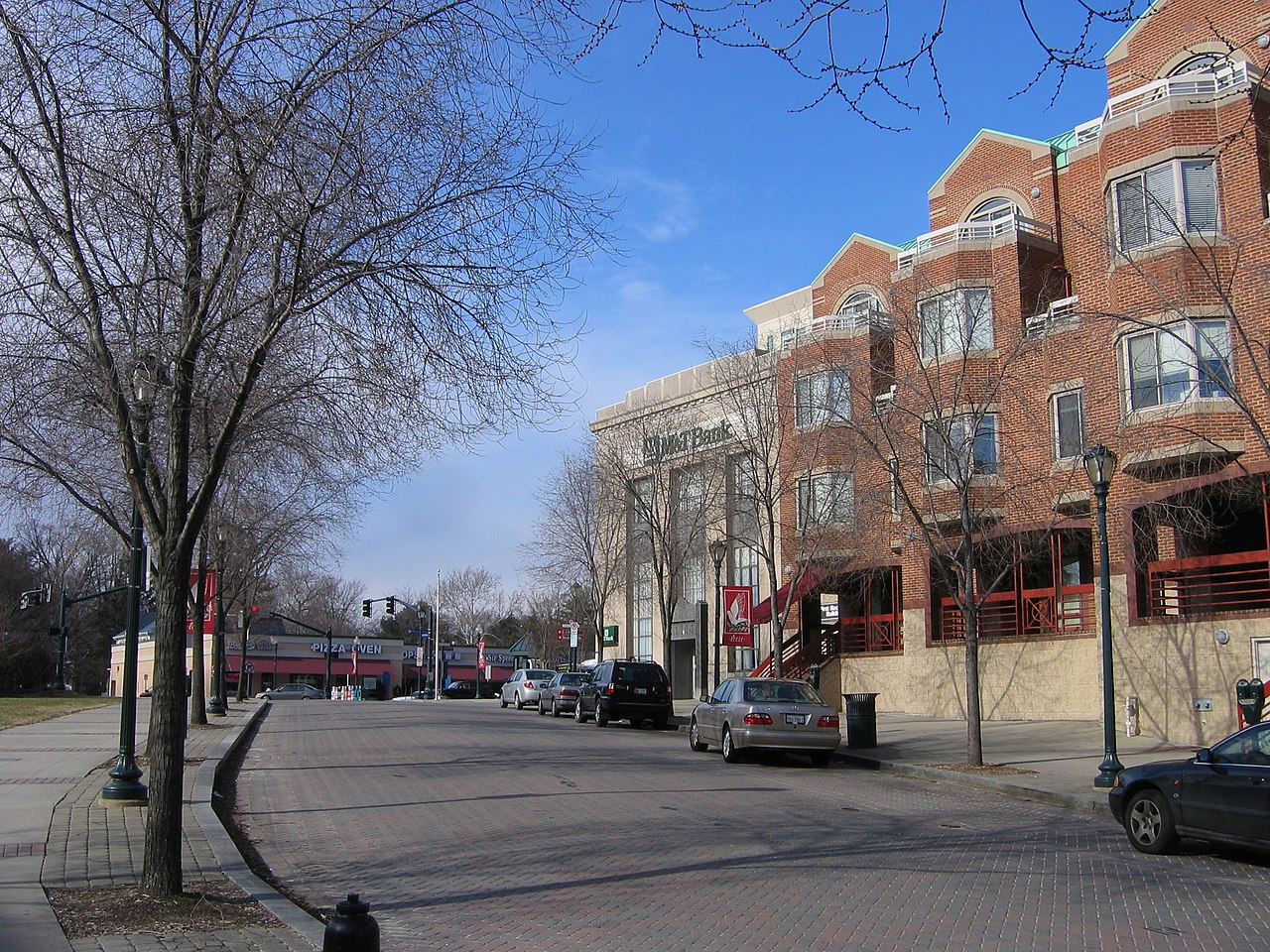
Rockville Town Center is the commercial and civic heart of the city, anchored by Rockville Town Square, a mixed-use area with shops, restaurants, and a public plaza that hosts community events throughout the year. It's a natural starting point for a first visit.
West End and King Farm are largely residential, newer-development areas with their own local shopping and dining options, useful if you're staying nearby or want a sense of everyday Rockville life away from the town center.
Historic Rockville, near the courthouse area, includes some of the city's older architecture and civic buildings, and is worth a slower walk for anyone interested in the area's development over time.
Twinbrook and North Bethesda-adjacent areas offer additional lodging and dining density and sit close to Metro access, making them convenient if you're splitting time between Rockville and Washington, D.C.
For a fuller breakdown of what to see in each area, the Top Landmarks in Rockville page goes into more detail.
A High-Level Look at Things to Do
Rockville's activity mix leans toward parks, small museums, and historic sites rather than large-scale tourist attractions, which suits travelers looking for a slower pace. Green space is a consistent theme: Rockville Civic Center Park offers walking paths and gardens near a historic mansion, and Croydon Creek Nature Center provides a low-key option for anyone interested in local ecology. History-minded visitors can look into sites connected to the city's role as county seat, along with markers and buildings tied to notable local figures.
Because Rockville sits within the greater Washington, D.C. region, it's also a workable base for exploring nearby National Park Service sites and other regional attractions — the National Park Service maintains a large network of sites across the country, and several fall within reasonable driving or transit distance of Rockville. Given how details like hours, fees, and seasonal closures can change, it's worth checking the official National Park Service site for any location before you go.
For a curated list broken out by category — parks, museums, shopping, and family-friendly stops — see Best Things To Do in Rockville.
Where to Eat
With close to 1,172 restaurants and cafes mapped in the Rockville area according to OpenStreetMap contributor data, dining options span a wide range of cuisines and price points, reflecting the diversity of Montgomery County more broadly. You'll find everything from casual lunch spots and bakeries around Rockville Town Square to sit-down restaurants scattered through the surrounding commercial corridors. Rather than chasing a single "must-eat" spot, it's worth treating Rockville as a place where good options are common rather than rare — a useful mindset in an area with this much restaurant density. A more detailed overview of dining areas and cuisine types is available on the Where to Eat in Rockville page.
Getting Around
Rockville is served by regional rail and bus service connecting it to Washington, D.C. and the wider suburban Maryland area, including subway and commuter train access along with local bus routes. Contactless tap-to-pay is increasingly common across the region's transit systems, which can simplify getting around if you're not planning to drive everywhere. As with any transit system, fare structures and payment methods are updated periodically, so it's best to check the official transit authority site for current details rather than relying on older information.
Driving is also a reasonable option, particularly if you're planning to visit multiple neighborhoods or nearby suburbs in a single day. Traffic patterns shift with weekday commuting hours, so factor that into timing if you're driving during peak periods.
Parking Considerations
Rockville Town Center and other commercial areas typically offer a mix of on-street parking and public parking garages or lots. Availability and posted rules can vary by location and time of day, and rates or restrictions are subject to change, so checking posted signage or the relevant municipal parking page before you park is the safest approach rather than assuming a flat rate or free parking applies everywhere.
Visitor Tips
Plan around the seasons: Rockville has a full four-season climate, and outdoor sites like parks and gardens are more comfortable in spring and fall. The Best Time to Visit Rockville page covers this in more depth. Booking ahead is generally a good habit for restaurants during evenings and weekends, given how much of the area's dining scene draws from a broader regional population, not just Rockville residents. As with most suburban and urban areas, ordinary urban awareness — keeping track of belongings, being mindful in parking garages at night, and checking current conditions before visiting less-trafficked parks after dark — is a reasonable approach rather than a sign of unusual risk.
Family Tips
Families will likely find Rockville's parks and nature center appealing as lower-cost, flexible activities that don't require rigid scheduling. Rockville Town Square's plaza and surrounding shops can work well for families needing a mix of activity and downtime, and the area's many casual restaurants make it easier to find kid-friendly dining without much advance planning. Because specific programming, seasonal events, and facility hours can change, checking official sources close to your travel dates is worthwhile before building a schedule around any single stop.
Planning Your Visit
If you only have a single day, the Rockville 1-Day Itinerary lays out a compact route through the town center and a nearby park or historic site. With more time, the Rockville 3-Day Itinerary spreads visits across neighborhoods and pairs Rockville with easy access to the greater Washington, D.C. area. For quick answers to common logistical questions, the Rockville FAQ rounds out this guide.
Rockville rewards visitors who treat it as a comfortable, well-connected home base rather than a single-attraction destination — a place where the parks, historic sites, and restaurant density add up to a solid weekend, even without one obvious centerpiece.