Nashua Travel Guide: Things to Do, Landmarks, Food, and Itineraries
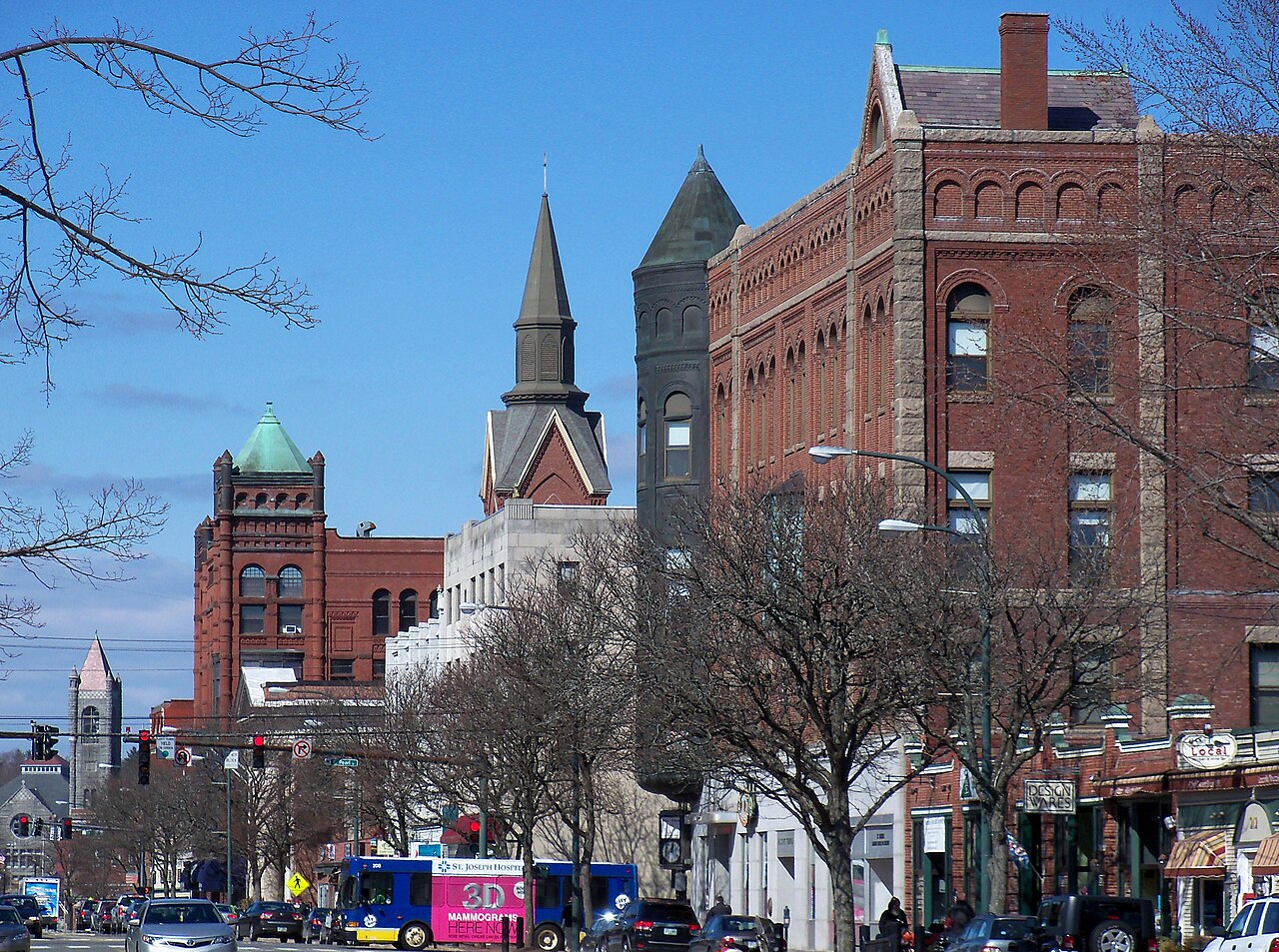
Nashua sits in southern New Hampshire, close enough to the Massachusetts border that many visitors arrive as part of a broader New England swing through Boston and the Merrimack Valley. With a population of roughly 91,131, it's generally counted as the second-largest city in the state, and it carries a mixed identity: a former mill town along the Nashua River, a present-day suburban and commuter hub, and a small city with a compact downtown that rewards walking. This guide is meant as a starting point — a way to get oriented before diving into more specific pages on things to do, landmarks, food, and day-by-day itineraries.
Why Visit Nashua
Nashua doesn't market itself as a headline destination the way Boston or Portland does, and that's part of its appeal for a certain kind of traveler. It works well as a base for exploring southern New Hampshire, a stop on a regional road trip, or a weekend destination for visitors who want a slower pace than a major city offers. The downtown area retains a good amount of its 19th-century mill-town architecture, now home to restaurants, breweries, and small shops, while the surrounding area includes parks, conservation land, and river access that make outdoor time easy to fit in alongside more urban activities.
According to the U.S. Census Bureau's 2024 ACS 5-year estimates, Nashua has a median age of 39.7 and a median household income of $92,457.

Neighborhoods and Areas Worth Knowing
Downtown Nashua is the natural starting point for most visits. Centered around Main Street and Elm Street, this is where you'll find the highest concentration of restaurants, cafes, and historic buildings, many of them repurposed from the city's industrial past. It's walkable and a reasonable place to park once and explore on foot.
The Millyard District, along the Nashua River, reflects the city's manufacturing history most directly. Old mill buildings here have been adapted for offices, restaurants, and event spaces, and the riverside setting is worth a look even if you're not stopping for a meal.
South Nashua, near the Massachusetts state line, is more suburban and commercial, with shopping centers and chain retail. It's a practical area for errands or budget-friendly lodging but isn't the focus of a sightseeing trip.
North Nashua and the areas near Mine Falls Park lean residential and green, and they're a good reference point for anyone prioritizing outdoor time over downtown density.
For a fuller rundown of what to do in each of these areas, the Best Things To Do in Nashua page goes deeper than this overview can.
A First Look at Things to Do
Mine Falls Park is probably the most commonly cited outdoor space in Nashua, with trails, river views, and canal-side paths that make it popular for walking, running, and biking. Downtown, the mix of historic architecture and adaptive-reuse buildings gives the area a distinct look worth a stroll even without a specific destination in mind. Nashua also has a handful of museums and cultural venues that touch on regional history and the arts, and seasonal events — farmers markets, festivals, and outdoor concerts — are common in warmer months, though specific dates should always be checked against official sources before planning around them.
Because this page is meant as an overview, the full list of attractions, parks, and activities is covered in more detail on the Best Things To Do in Nashua page, while notable historic sites and structures get their own treatment on the Top Landmarks in Nashua page. Travelers interested in the wider National Park Service presence in the region — with roughly 20 NPS units within reach of the area — may find it useful to check NPS.gov directly, since site access and programming can change.

Where to Eat
Nashua's dining scene reflects its New England roots, and visitors will find everything from classic diners and seafood spots to Latin American, Asian, and Mediterranean restaurants, along with breweries and casual gastropub-style venues, many concentrated downtown and in the Millyard District. It's a food scene built more around variety and everyday quality than destination dining, which suits the city's overall low-key character. For a closer look at specific cuisines and areas to explore, see Where to Eat in Nashua.
Getting Around
Nashua is drivable and most visitors will find a car useful, especially for reaching Mine Falls Park, outlying shopping areas, or day trips beyond the city. Downtown itself is walkable once you've parked, with restaurants, shops, and historic buildings within easy reach of each other. The city is served by local bus routes for those without a car, and contactless tap-to-pay options are increasingly common on regional transit systems, though riders should confirm current payment methods and routes on official transit sites before relying on them. Nashua also connects reasonably well to Boston and Manchester via highway, making it feasible to combine with a broader New England itinerary.
Parking Considerations
Downtown Nashua has a mix of on-street parking and municipal lots, and like many small cities, availability can tighten during events or peak weekday hours. Rather than quoting specific rates or time limits here, it's worth checking current signage and the city's official parking information when you arrive, since rules and rates are subject to change. Visitors planning to spend a full day downtown may find a municipal lot more convenient than hunting for on-street spots.
Visitor Tips
Weather in Nashua follows a typical New England pattern, with warm, humid summers and cold winters that can bring significant snow, so packing and planning should account for the season. Sidewalks and outdoor spaces are generally well maintained, but ordinary urban awareness — watching for icy conditions in winter, keeping valuables out of sight in parked cars, and checking event or venue status before visiting — is a reasonable approach anywhere. For a more detailed seasonal breakdown, see Best Time to Visit Nashua.
Family Tips
Families will likely find Mine Falls Park and other green spaces useful for burning off energy between more structured activities. Downtown's walkability also makes it manageable with kids in tow, since restaurants, shops, and open space are close together rather than spread across a large area requiring extra driving. As with any trip, checking ahead for specific family-oriented events or seasonal programming is worthwhile since offerings change throughout the year.
Planning Your Visit
For travelers who want a structured plan rather than piecing one together from scratch, the Nashua 1-Day Itinerary covers a condensed visit focused on downtown and a park stop, while the Nashua 3-Day Itinerary builds out a longer stay with more time for day trips and a slower pace. Between the two, most visitors should be able to find a framework that matches their available time.
FAQ
Is Nashua worth visiting on its own, or mainly as a stop? It works both ways. Some visitors treat it as a standalone weekend destination given its parks and downtown, while others fold it into a larger trip through southern New Hampshire or the Boston area.
Do I need a car in Nashua? A car makes getting around considerably easier, especially for reaching parks and outlying areas, though downtown itself is walkable once you've arrived.
What's the best time of year to visit? That depends on what you're after — warmer months suit outdoor activities and events, while winter has its own appeal for those comfortable with cold-weather travel. See Best Time to Visit Nashua for specifics.
Is Nashua family-friendly? Its parks, walkable downtown, and generally quieter pace make it a reasonable option for families, particularly for shorter visits.
For answers to more specific questions, the dedicated Nashua FAQ page covers additional details not included here.