Medford Travel Guide: Things to Do, Landmarks, Food, and Itineraries
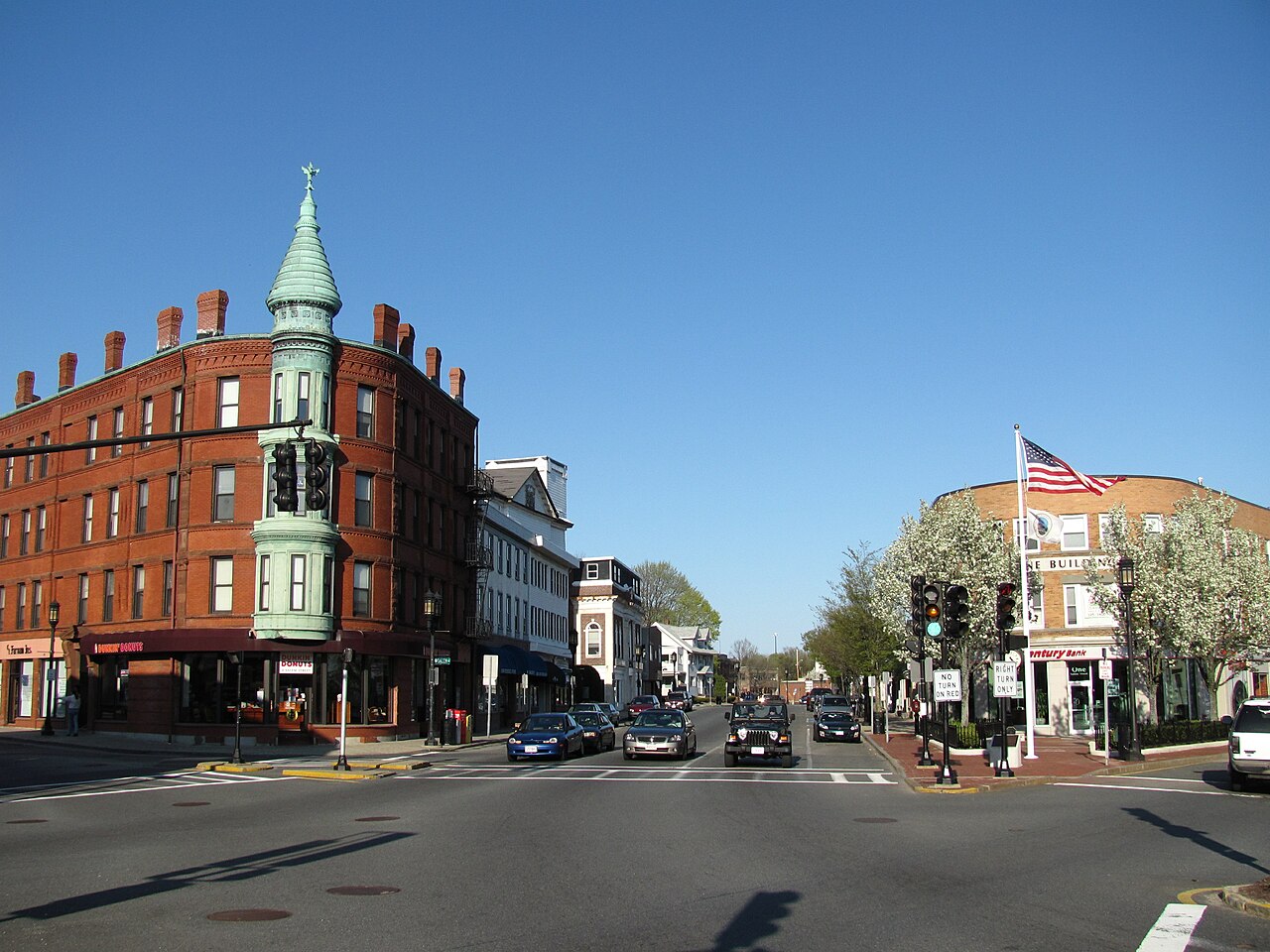
Medford, Massachusetts sits just north of Boston along the Mystic River, close enough to the city for an easy day trip and substantial enough to reward a longer stay. With a population of roughly 59,000 (per U.S. Census Bureau 2024 ACS 5-year estimates), Medford blends a long industrial and maritime history with the presence of Tufts University, a walkable town square, and a network of parks and waterways that make it appealing for visitors who want a quieter home base than downtown Boston while still staying near the action. This guide covers the essentials — where to go, what to see, where to eat, and how to get around — and links out to more detailed pages for planning specifics.
Why Visit Medford
Medford's appeal comes from its combination of accessible history and everyday New England neighborhood life. The city was once known for shipbuilding and rum distilling, and traces of that history are still visible in its older buildings and street layout. Today, Medford functions as both a residential community and a visitor-friendly stop for people exploring Greater Boston, thanks to its proximity to the Mystic River, its parks, and its transit connections into the city. The median age here is 36.1 (per U.S. Census Bureau 2024 ACS 5-year estimates), and the presence of Tufts University gives parts of the city a college-town energy alongside its more established residential streets.
Visitors looking for a single overview of what to prioritize should start with the Best Things To Do in Medford page, which breaks down activities in more depth than this overview can.

Neighborhoods and Areas Worth Knowing
Medford is made up of several distinct areas, each with its own character:
- Medford Square — the historic town center, with municipal buildings, older commercial architecture, and easy access to the Mystic River. This is a natural starting point for a walking visit.
- West Medford — a residential area with a commuter rail stop, small businesses, and tree-lined streets.
- Tufts University area (Hillside/College Avenue) — anchored by the university campus, this section has a younger, more collegiate feel with cafes and casual dining geared toward students and visiting families.
- Wellington — closer to the Mystic River's lower stretches and near the Wellington MBTA station, this area is more commercial and industrial in character but offers convenient transit access.
- South Medford and the Mystic Valley Parkway corridor — home to riverside paths and green space that connect Medford to neighboring Somerville and Arlington.
Each of these areas plays a role in different itineraries, whether you're focused on history, outdoor recreation, or simply passing through en route to Boston.
A First Look at Things to Do
Medford's activities generally fall into a few categories: history and architecture, riverside and park recreation, and university-adjacent culture. Medford Square offers a compact area for a walking visit, with historic buildings and municipal architecture that reflect the city's 17th- and 18th-century roots. The Mystic River and its surrounding parkways offer walking and biking paths that are popular with both residents and visitors looking for outdoor time without leaving the city.
Tufts University contributes a handful of public-facing attractions, including campus green space and occasional public events; checking the university's official site before visiting is worth doing since academic-year schedules affect what's accessible. The region around Medford also connects to a broader network of National Park Service–affiliated and historic sites in the Boston area, and travelers interested in combining Medford with nearby historic touring should treat it as a launching point rather than a single-stop destination.
For a fuller rundown of specific parks, trails, and attractions, see Best Things To Do in Medford and, for structured sightseeing, Top Landmarks in Medford.

Landmarks Worth Knowing About
Medford's landmarks tend to reflect its layered history — colonial-era buildings, 19th-century industrial sites, and later civic architecture. Rather than list them exhaustively here, this guide points to the dedicated Top Landmarks in Medford page, which covers specific sites, their historical context, and practical visiting notes. As a general rule, landmark hours and admission policies can change, so confirming details on official sites before visiting is the safest approach.
Where to Eat
Medford's dining scene reflects its mix of long-established local businesses and newer restaurants drawn by the university population and the city's growing profile as a place to live near Boston. Rather than ranking options, it's worth highlighting a couple of well-known, long-running establishments that give a sense of the city's food history.
The Rosebud is a longtime diner in Medford Square, one of the city's more enduring dining institutions and a spot worth knowing about for visitors interested in classic American diner culture. Yume Wo Katare is a location of a well-known ramen restaurant chain that has developed a following in the Greater Boston area; as with any chain location, checking the specific Medford location's current hours and format is worth doing before visiting.
Beyond these two, Medford has a broader mix of casual restaurants, cafes, and international cuisine spread across Medford Square, West Medford, and the Tufts-adjacent commercial strips. Because hours, menus, and reservation policies can change, checking each restaurant's official website or listing before visiting is recommended. For a more complete overview of dining options by area and cuisine, see Where to Eat in Medford.
Getting Around
Medford is served by MBTA bus routes and is within reach of the MBTA commuter rail (West Medford station) and nearby subway and Green Line Extension stops that connect into Boston and Cambridge. Many visitors combine a car-free visit to Medford with transit into central Boston, since the two are close enough that a day trip works well without driving. Contactless tap-to-pay is generally accepted across MBTA services, which simplifies moving between Medford and neighboring communities; specific fare structures and payment options are best confirmed on the MBTA's official site before your trip, since these details are subject to change.
Walking and biking are practical ways to explore Medford Square and the riverside paths along the Mystic River, and the relatively compact layout of the city center makes it manageable on foot for a few hours at a time.
Parking Considerations
Parking in Medford varies by neighborhood: Medford Square and the areas near Tufts University tend to have more metered or time-limited parking, while residential streets elsewhere in the city may have permit restrictions during certain hours. Because parking rules, meter rates, and permit requirements can change and are enforced locally, visitors should check current signage on-site or the City of Medford's official website rather than relying on general assumptions. Arriving by transit is a reasonable alternative for visitors focused on Medford Square, given its walkable layout and nearby transit connections.
Visitor Tips
- Ordinary urban awareness is a reasonable approach in Medford, as in any similarly sized city near a major metro area — stay attentive in busier commercial areas and when walking near the river at night.
- Layer your visit around Medford Square as a home base, since it offers the most concentrated mix of historic sites, dining, and transit access.
- If you're combining Medford with a Boston trip, plan transit connections in advance, since travel times can vary depending on route and time of day.
- Weather affects outdoor plans significantly here; the Best Time to Visit Medford page covers seasonal considerations in more detail.
Family Tips
Medford's parks and riverside paths make it a reasonably manageable destination for families, particularly for those interested in outdoor walking or biking rather than indoor attractions. The Tufts University area can also be of interest to families visiting on college tours, since campus green space is generally open to the public outside of specific event restrictions. As with any urban destination, checking accessibility and family-friendliness details for specific sites in advance — through official sites or the Top Landmarks in Medford page — will help set expectations before arrival.
Suggested Itineraries
For visitors deciding how much time to spend in Medford, this guide offers two structured options:
- The Medford 1-Day Itinerary is built for travelers who want a condensed visit, focusing on Medford Square, a stretch of the Mystic River, and a meal at one of the city's well-known restaurants.
- The Medford 3-Day Itinerary allows for a slower pace, incorporating the Tufts University area, more extensive walking or biking along the river, and day-trip options into nearby Boston and Cambridge.
Frequently Asked Questions
Common questions about visiting Medford — including transit logistics, timing your trip, and what to expect from the city's neighborhoods — are addressed in more depth on the Medford FAQ page, which is worth reviewing before finalizing your plans.
Planning Your Visit
Medford works well both as a standalone destination for a day or two and as a quieter alternative base for exploring Greater Boston. Its combination of historic Medford Square, riverside recreation, university-adjacent culture, and straightforward transit access make it a practical addition to a New England trip. As with any travel planning, confirming current hours, fares, and event schedules directly with official sources before you go will help your visit go smoothly, since details like these are the most likely to change over time.