McLean Travel Guide: Things to Do, Landmarks, Food, and Itineraries

McLean, Virginia sits just outside Washington, D.C., in Fairfax County, and it offers a quieter, more residential counterpoint to the capital's downtown core. According to the U.S. Census Bureau's 2024 ACS 5-year estimates, McLean has a population of roughly 50,232 and a median age of 46.2. It's also one of the more affluent suburbs in the D.C. area, with a median household income around $250,001 and median gross rent near $3,376. For visitors, McLean works well as a base for exploring both the Potomac River corridor and the broader Washington metro area, without the density or noise of a big-city downtown.
This guide is meant as a starting point. For deeper dives into specific parts of a visit, use the linked pages throughout — this overview pulls together the essentials on where to go, what to see, where to eat, and how to get around.
Why Visit McLean
McLean's appeal comes largely from its setting along the Potomac River and its proximity to both nature-focused sites and the attractions of Washington, D.C. The area is close to several National Park Service sites — 66 NPS units are within reach of the D.C. region, giving visitors based in McLean a notable concentration of parks and historic sites to choose from. Because hours, fees, and seasonal access can change, always check the official NPS site for current details before planning a visit around a specific park unit.
Beyond the parks, McLean has a dense concentration of local points of interest for a suburb of its size — the wider area maps roughly 850 attractions, museums, and historic sites, ranging from small local landmarks to larger regional draws. That density means visitors can fill a day or a long weekend without needing to venture far. For a full rundown, see the Best Things To Do in McLean guide.

Getting to Know the Area
McLean doesn't have a traditional "downtown grid" in the way older cities do, but it does have a few distinct areas worth knowing before you arrive:
- McLean's central business district, along Chain Bridge Road and Old Dominion Drive, is the most walkable commercial stretch, with a mix of restaurants, shops, and offices.
- Tysons, adjacent to McLean, is a major regional hub for shopping, dining, and business travel, and many visitors use it as a practical landing point given its concentration of hotels and transit access.
- The Potomac riverfront areas, including sections near Great Falls, offer a more natural, outdoor-oriented experience and are a draw for hiking, river views, and photography.
- Residential neighborhoods surrounding the core make up most of McLean's footprint and are generally quiet, tree-lined, and not geared toward tourism, though they're pleasant for a scenic drive or walk.
Understanding this layout helps with planning — pair a morning near the river with an afternoon in the commercial core, for example, rather than crisscrossing the area repeatedly.
Things to Do and Landmarks
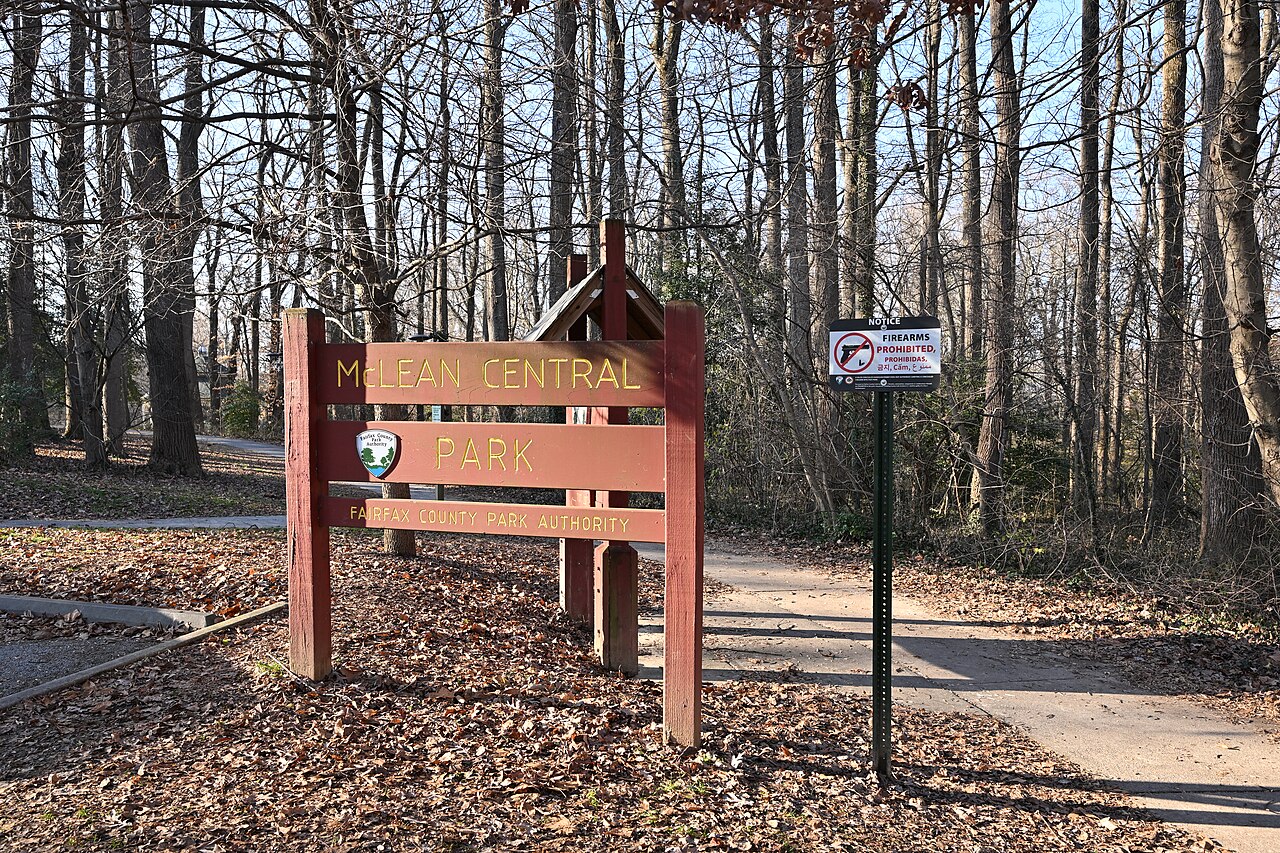
McLean's things-to-do landscape spans outdoor recreation, historic sites, and a handful of cultural stops that draw visitors from across the region. Riverside trails and overlooks are popular for walking and photography, and several historic properties in the area offer a look at the region's colonial and early American history. Given the volume of mapped sites in the area, it's worth prioritizing based on interest — nature, history, or family-friendly activities — rather than trying to see everything in one visit.
For a curated look at specific attractions, the Best Things To Do in McLean page breaks down activities by type, while the Top Landmarks in McLean page focuses specifically on notable historic and architectural sites worth building a visit around.
Where to Eat
McLean's dining scene includes a range of local restaurants, national chains, and international cuisine, with options that lean toward higher-end dining alongside more casual cafes and lunch spots. Across the broader area, roughly 3,205 restaurants and cafes are mapped, giving visitors a wide range of choices for any meal or budget. Because the scene changes over time as new restaurants open and others close, it's worth checking current listings or the official sites of specific restaurants before finalizing dinner plans, especially for reservations.
The Where to Eat in McLean guide organizes this further by cuisine and setting, which is a useful next step if you have a specific type of meal in mind.
Getting Around
McLean is accessible by car, and most visitors exploring the wider Northern Virginia and D.C. area will find having a vehicle convenient, particularly for reaching riverfront parks and spread-out neighborhoods. That said, the region is also served by subway and bus connections that link McLean and Tysons to Washington, D.C. and other suburbs, with contactless tap-to-pay increasingly available for transit riders — check current transit agency information for specifics on routes and payment options before you travel.
Parking varies by location: commercial areas and shopping centers typically have dedicated lots, while some historic and park sites have limited on-site parking, especially during busy periods. If you're visiting a specific attraction, checking that site's official page ahead of time for parking guidance is a good habit, since availability and any fees can change.
Visitor Tips
- Pack for outdoor time if you're planning to visit riverfront or park areas — trail surfaces can be uneven, and weather near the Potomac can shift quickly.
- Traffic on major roads like the Capital Beltway and Route 123 can be heavy during weekday commuting hours; plan drive times accordingly.
- As with any suburban or urban destination, ordinary precautions apply — stay aware of your surroundings, especially after dark in less populated areas, and keep valuables out of sight in parked vehicles.
- Book dinner reservations in advance where possible, particularly at smaller or well-known restaurants.
Family Tips
McLean's parks and open spaces make it a workable destination for families, particularly those interested in easy hiking, river views, and outdoor picnicking. Many historic sites in the area also offer family-friendly programming, though specifics vary by location and season, so checking ahead is worthwhile. The suburban layout means more driving between stops than a dense urban destination would require, so families may want to build in flexible time rather than a tightly packed schedule.
Planning Your Visit
If you're mapping out a trip, the McLean 1-Day Itinerary offers a condensed route for visitors with limited time, while the McLean 3-Day Itinerary allows for a fuller exploration of the area's parks, landmarks, and dining scene. Timing matters too — the Best Time to Visit McLean guide covers seasonal considerations that can affect everything from trail conditions to crowd levels.
Frequently Asked Questions
Visitors often have overlapping questions about logistics, safety, and what to prioritize during a short stay. Rather than repeat those answers here, the McLean FAQ page consolidates the most common questions in one place, covering topics like transportation, seasonal planning, and practical day-to-day considerations for anyone visiting the area.
McLean rewards visitors who plan a little ahead — pairing outdoor time along the Potomac with the area's dining and historic sites, while keeping an eye on the practical details of parking and transit that can shift from one visit to the next.