Dover Travel Guide: Things to Do, Landmarks, Food, and Itineraries
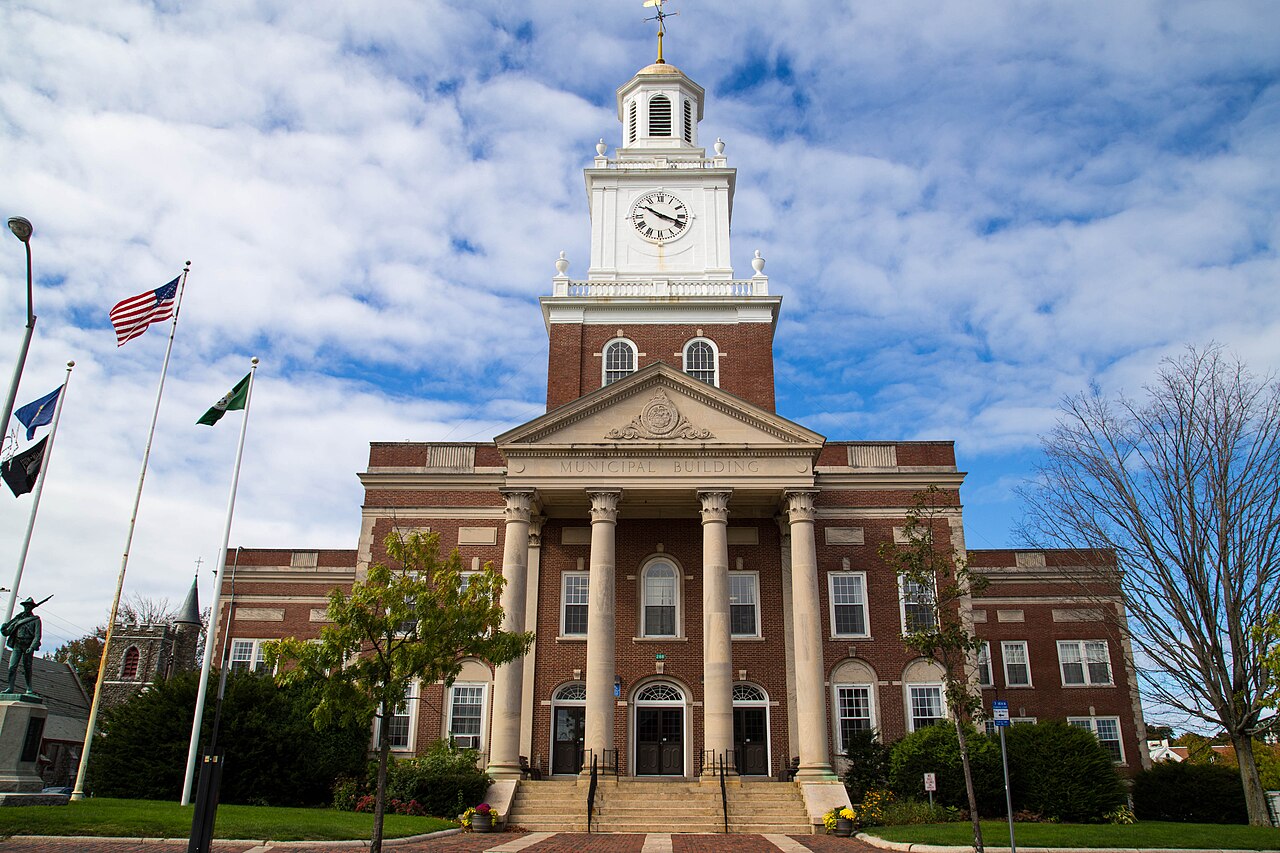
Dover, New Hampshire sits along the Cocheco River in the Seacoast region, close enough to Portsmouth and the New Hampshire coastline to make an easy day trip, yet with its own downtown, mill-town history, and neighborhood feel. It's one of the oldest permanent settlements in New Hampshire, and that long history is still visible in its brick mill buildings, church steeples, and river-adjacent layout. With a population of about 33,070, Dover is compact enough to explore without a rigid plan but has enough going on — restaurants, small shops, riverside paths, and periodic events — to fill more than a single afternoon.
This guide is meant as a starting point. For deeper dives into specific parts of a Dover trip, see the linked pages throughout, including the full breakdowns on Best Things To Do in Dover, Top Landmarks in Dover, and Where to Eat in Dover.
Why Visit Dover
Dover works well for travelers who want a slower-paced New England town without giving up walkability or dining options. The downtown core is centered on Central Avenue and the Cocheco River, where former textile mills have been converted into apartments, offices, and retail space — a pattern common across the Seacoast but with its own local character here. Because Dover is a working city rather than a resort town, it tends to draw a mix of daytime visitors, commuters, and University of New Hampshire-adjacent traffic (the university's main campus is in nearby Durham), which keeps the restaurant and retail scene active on weekdays as well as weekends.
Its location also matters: Dover is close enough to the coast, to Portsmouth's historic district, and to the Maine border that it can serve as a home base for a broader Seacoast itinerary, or as a single stop on a longer New Hampshire trip.

Neighborhoods and Areas Worth Knowing
Downtown Dover / Central Avenue District — The commercial and historic heart of the city, with a concentration of restaurants, cafes, and small businesses along Central Avenue and the streets branching off it. This is the most walkable part of town and a natural starting point for a first visit.
The Cocheco Mill District — The riverside cluster of former textile mill buildings, some of which now house businesses, apartments, and event space. The mills are a visible reminder of Dover's industrial-era economy and are worth a look even for visitors who aren't specifically touring historic sites.
Garrison Hill and surrounding residential areas — A quieter, largely residential section with some green space and elevated views over the city. It's a reasonable stop for visitors who want a break from downtown without leaving city limits.
Outer Dover and the Route 108/9 corridors — Home to shopping centers, chain retail, and more suburban development. Practical for errands or budget-friendly lodging, but less relevant for sightseeing.
For a fuller list of specific sites within these areas, the Top Landmarks in Dover page goes into more detail.
Things to Do
Dover's activities lean toward walking, browsing, and low-key outdoor time rather than large-scale attractions. The riverfront paths along the Cocheco River are a common starting point, offering a way to see the old mill architecture up close. Downtown itself rewards wandering — independent shops, cafes, and a small but active arts and music scene (including venues that host regular live performances) give visitors reasons to linger without needing a fixed itinerary.
History-minded travelers can look into Dover's museums and historical society sites, which cover the city's colonial-era origins and its later mill-town economy. Because Dover sits within the broader Seacoast region, it's also within reach of several National Park Service-affiliated sites in the area; check the National Park Service's official listings for current details on any specific site before planning a visit around it.
Families, outdoor-oriented travelers, and those interested in local food culture will each find slightly different priorities here, which is why the dedicated Best Things To Do in Dover page separates activities by type and gives more specific recommendations.

Where to Eat
Dover's dining scene is concentrated downtown, with a mix of casual cafes, sit-down restaurants, breweries, and a handful of longer-standing local establishments. Cuisine options run from New England seafood and pub fare to international options reflecting the broader Seacoast area's diversity. Because Dover has a notable student and young-professional population nearby, there's also a reasonable number of coffee shops and casual, budget-friendly spots alongside more traditional sit-down restaurants.
Rather than listing specific venues here, the Where to Eat in Dover page organizes options by meal type and setting, which is more useful for matching a restaurant to your specific plans for the day.
Getting Around
Dover's downtown is walkable once you're there, but getting into the city typically means driving, taking a regional bus service, or arriving via the Amtrak Downeaster, which stops in Dover on its route between Boston and Maine. Local and regional bus service connects Dover with nearby Seacoast communities, and it's worth checking current route maps and schedules directly with the transit provider, since service can change.
If you're arriving by car, downtown Dover has a mix of on-street parking and public parking lots; specific rates, time limits, and permit requirements are subject to change, so check current signage or the City of Dover's official parking information rather than relying on a fixed number. During weekday business hours and on evenings when downtown restaurants and venues are busy, parking availability can be tighter, so building in a little extra time is a reasonable precaution.
For visitors without a car, ride-hailing services operate in the area, and the compact downtown means many errands or meals can be reached on foot once you're settled in.
Visitor Tips
Dover is a functioning small city rather than a tourist district, so ordinary urban awareness applies: keep an eye on personal belongings downtown and near the riverfront, be mindful of traffic patterns around the mill district's converted buildings, and check specific venue websites for current operating information before visiting, since hours and offerings can change. Weather in the Seacoast region shifts with the seasons — layering is generally a good idea, and river-adjacent areas can feel cooler than downtown streets set back from the water.
If you're planning around a specific season or set of events, the Best Time to Visit Dover page covers seasonal considerations in more depth.
Family Tips
Dover's riverfront paths, downtown sidewalks, and generally low-key pace make it manageable for families with children, though as with any downtown area, keeping track of kids near the river and around active streets is a sensible precaution. Casual restaurants and cafes downtown tend to be accommodating for families, and the city's small size means backup plans (like heading indoors if weather turns) are usually close by. Checking ahead for any family-oriented events or seasonal programming is worthwhile, since these can vary throughout the year.
Suggested Itineraries
If you're short on time, a single day is enough to cover downtown Dover, the riverfront, and a meal or two — the Dover 1-Day Itinerary lays out a practical route. For visitors who want to pair Dover with more of the surrounding Seacoast region, or simply want a slower pace, the Dover 3-Day Itinerary spreads things out with room for day trips.
Quick Facts
Dover has a median household income of about $92,748 and a median age of 37.6, reflecting its mix of long-term residents, young professionals, and university-adjacent population. Median gross rent runs around $1,540, which is useful context if you're comparing short-term lodging costs or considering a longer stay.
Frequently Asked Questions
Common visitor questions — from the best way to get downtown to what the city is like outside of peak season — are addressed in more detail on the Dover FAQ page, which is worth checking before you finalize travel plans.
Dover rewards visitors who like walkable downtowns, river views, and a manageable pace over large-scale attractions. Whether you're stopping through on a Seacoast road trip or making Dover your primary destination, the linked guides above cover the specifics — landmarks, restaurants, itineraries, and timing — needed to plan a visit that fits your interests.