Best Things To Do in College Park
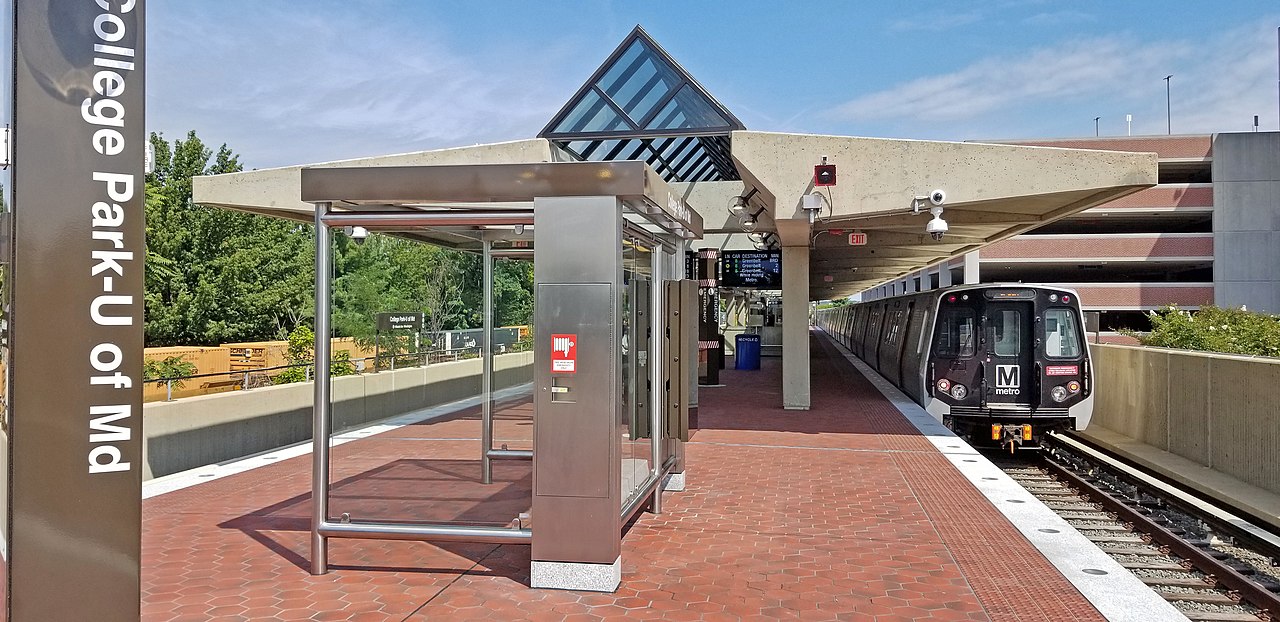
College Park, Maryland sits just a few miles northeast of Washington, D.C., and it punches well above its size when it comes to things worth doing. Home to the flagship campus of the University of Maryland and a surprisingly deep roster of parks, cultural venues, and historic sites, College Park draws visitors ranging from prospective students and their families to aviation history enthusiasts and trail runners looking to escape the city. With a population of around 34,000 and a median age of 21.6, the city has a youthful, active energy that shapes everything from its restaurant scene to its recreational offerings.
Whether you have an afternoon or a full weekend, College Park rewards visitors who take the time to look beyond the campus gates. This guide breaks activities down by interest so you can plan around what matters most to you. For a fuller orientation, start with the College Park Travel Guide: Things to Do, Landmarks, Food, and Itineraries.
Outdoors and Green Spaces
Lake Artemesia and the Paint Branch Trail
One of College Park's most pleasant surprises is Lake Artemesia, a calm, man-made lake tucked into a natural buffer just off Berwyn Road. The loop trail around the lake is short enough to walk in under an hour and accessible year-round, making it popular with dog walkers, joggers, and anyone who wants a quiet place to sit near water. Fishing is permitted, and the grassy areas around the lake draw picnickers on warmer days.
The lake connects to the Paint Branch Stream Valley Trail, a paved multi-use path that threads north along Paint Branch Creek. Cyclists and runners use it as a commuter and recreational corridor, and it links into a broader network of trails running through Prince George's County. Entry to the lake and trail system is free to the public; confirm current access details with Prince George's County Parks.
Greenbelt Park and Nearby National Park Lands
The greater College Park area sits within reach of dozens of National Park Service units — the data shows 66 NPS sites in or near the city, a figure that reflects how deeply the national park system weaves through the D.C. metro region. Greenbelt Park, a forested NPS unit just minutes away, offers wooded hiking trails, a campground, and genuine quiet that feels improbable this close to the Beltway. Check the official NPS site for current conditions and any access requirements before you go.
Campus Green Space at the University of Maryland
The University of Maryland's main campus covers more than 1,200 acres, and a meaningful portion of that is open lawn, mature tree canopy, and pathways that anyone can walk. McKeldin Mall, the long central green that forms the spine of the historic campus core, is a pleasant place to walk on any day the weather cooperates. The campus also maintains a network of internal paths that connect academic buildings to residential areas, making it easy to spend an hour or two simply wandering.

Aviation History and Museums
College Park Airport and the College Park Aviation Museum
College Park Airport holds the distinction of being the oldest continuously operating airport in the world, having been established in 1909 when Wilbur Wright came to train military officers in the new art of powered flight. That lineage alone makes it worth the trip for anyone with even a passing interest in aviation.
Adjacent to the airfield, the College Park Aviation Museum tells that story with original aircraft, artifacts, and exhibits tracing the site's role in early aviation milestones. The museum is ticketed — check the official website for current hours and admission details before your visit. Even visitors who skip the museum interior can catch a glimpse of the active airfield from the surrounding area. This is one of the more genuinely distinctive stops in the entire D.C. metro region, and it earns a spot on any Top Landmarks in College Park itinerary.
Arts, Culture, and Campus Venues
The Clarice Smith Performing Arts Center
On the western edge of the University of Maryland campus, the Clarice Smith Performing Arts Center hosts a full calendar of performances across music, theater, and dance. Programming ranges from student productions to visiting professional ensembles, and the building itself — a large, architecturally ambitious complex — is worth seeing in its own right. Some events are free; others are ticketed. The official website is the right place to check what's on during your visit.
The David C. Driskell Center
The David C. Driskell Center, also on the University of Maryland campus, focuses on the art and visual culture of African Americans and the African diaspora. It operates as both a gallery and a research center, and its rotating exhibitions draw visitors from well beyond College Park. Admission policies vary by exhibition, so verify current programming through the center's official channels before you go.
McKeldin Library and Campus Architecture
For visitors interested in architecture and academic atmosphere, the UMD campus offers a range of building styles spanning decades of construction. McKeldin Library, with its prominent position at the head of McKeldin Mall, is a campus landmark that's open to the public during operating hours. The surrounding buildings, including several classical-era structures from the early twentieth century, give the central campus a sense of visual coherence that rewards a slow walk.
Historic Neighborhoods to Wander
Berwyn and Calvert Hills
College Park contains several distinct residential neighborhoods that developed in the early to mid twentieth century and retain much of their original character. Berwyn, one of the older sections of the city, has modest bungalows and craftsman-style houses lining tree-canopied streets. Calvert Hills, another well-established neighborhood, sits close to the main campus and has a walkable mix of older homes and proximity to the Route 1 commercial corridor.
Neither neighborhood has a formal visitor attraction at its center, but they're worth exploring on foot for anyone who appreciates residential architecture and the texture of a place that has grown up around a university over many generations. Streets like Calvert Road and Berwyn Road give a sense of how College Park functions as an actual community, not just a campus extension.
Old Town College Park and the Route 1 Corridor
Baltimore Avenue — Route 1 — runs through the heart of College Park and has long served as the city's main commercial spine. The stretch closest to campus has a dense mix of restaurants, coffee shops, and small businesses that reflect the city's student-heavy demographics. It's not a preserved historic district in the formal sense, but the rhythm of the street, with older storefronts alongside newer additions, gives it a layered character that rewards a slow walk rather than a drive-through.
Where to Eat and Drink
College Park has a deep local dining scene shaped largely by the university population — there are more than three thousand restaurants and cafes mapped in the broader area, covering a wide range of cuisines and price points. The Route 1 corridor near campus is the most concentrated zone, with options running from quick counter-service spots to sit-down restaurants drawing a mix of students, faculty, and visitors. For a fuller overview of where to eat, see the Where to Eat in College Park guide.
Practical Visitor Notes
College Park is accessible by Metro — the Green Line stops at the College Park–University of Maryland station, which connects to shuttle service around campus and puts visitors within walking or biking distance of many of the sites listed here. Contactless tap-to-pay is available at fare gates on the Metro system — check WMATA's site for the latest payment options, which simplifies getting around for visitors without a transit card. Check WMATA's official site for current service and schedules.
Driving is straightforward, though parking near the campus core can be tight during the academic year on weekdays. Weekends tend to be more forgiving.
The city is generally navigated with the same ordinary awareness you'd bring to any mid-size college town — watch your belongings in busy areas and be alert around high-traffic campus zones.
For help structuring your time, the College Park 1-Day Itinerary and College Park 3-Day Itinerary offer ready-made frameworks based on the city's geography and pacing. If timing your trip around weather or events is a priority, the Best Time to Visit College Park page covers seasonal considerations in more detail.
Common questions about logistics, neighborhoods, and what to expect are addressed in the College Park FAQ.