College Park Travel Guide: Things to Do, Landmarks, Food, and Itineraries
College Park, Maryland sits roughly eight miles northeast of downtown Washington, D.C., and the two places are closely linked β not just by Metro rail but by shared history, shared institutions, and a visitor experience that genuinely benefits from treating them as neighbors. That said, College Park has its own distinct identity. It is home to the flagship campus of the University of Maryland, one of the country's large public research universities, and to the College Park Airport, widely recognized as the oldest continuously operating airport in the world. According to 2024 ACS estimates, the city has a population of around 34,397 and a median age of just 21.6, skewing young β a characteristic that shapes everything from its food scene to its calendar of events.
Whether you are visiting for a weekend, making a day trip from D.C., or planning a longer stay, College Park rewards travelers who want history, outdoor space, and a university-town energy in one place. This guide covers the essentials: what to see, where to eat, how to get around, and how to make the most of your time.
Getting Oriented: Neighborhoods and Areas Worth Knowing
College Park is not a city with a dense downtown grid. Instead, it organizes loosely around a few distinct zones.
Route 1 / Baltimore Avenue Corridor β This is the main commercial spine running north to south through the city. You will find a concentrated mix of restaurants, shops, and services here, particularly in the stretch closest to the University of Maryland campus. It can feel busy during the academic year and considerably quieter during university breaks.
Old Town College Park β Tucked west of Route 1 near the College Park Airport, Old Town is one of the city's older residential pockets. The streets are quiet and tree-lined, and the area offers a contrast to the commercial corridor. This is also where the aviation museum and historic airport grounds are located.
The University of Maryland Campus β Technically a separate district in some respects, the UMD campus is so central to the College Park experience that it deserves its own mention. The campus is large, walkable, and open to the public. Visitors can access performing arts venues, art galleries, public plazas, and miles of landscaped paths.
Greenbelt Road / Northern College Park β Moving north, the city transitions into a more suburban character with larger shopping centers, chain restaurants, and proximity to Greenbelt, a neighboring city with its own distinct New Deal-era history and green space.
Things to Do in College Park
The College Park area holds roughly 885 mapped attractions, museums, and historic sites β a count that reflects both its own sites and the significant cluster of destinations within a short drive or Metro ride. For a curated look at standout options, visit the Best Things To Do in College Park page.
Aviation History β College Park Airport, in continuous operation since 1909, is a functional general aviation facility and a landmark in its own right. Adjacent to it, the College Park Aviation Museum houses aircraft and exhibits documenting the early years of flight, including the airport's connection to the Wright brothers, who trained military officers here. Before visiting, check the museum's official website for current hours and admission details.
University of Maryland Cultural Venues β The Clarice Smith Performing Arts Center is a well-regarded venue that hosts music, theater, and dance performances throughout the year. The David C. Driskell Center, also on campus, focuses on African American art and culture and is open to the public. Check each venue's site for current programming and access information.
The National Archives at College Park β Known informally as Archives II, this facility stores an enormous portion of the federal government's historical records, including military records, photographs, and maps. Researchers and history-minded visitors can explore available records in person. Review access requirements and any appointment policies on the National Archives official site before your visit.
Lake Artemesia Natural Area β This man-made lake and surrounding natural area is a popular spot for walking, birdwatching, and fishing. The paved trail loop around the lake connects to the Anacostia River Trail system, making it a useful starting point for longer rides or walks.
Paint Branch Stream Valley Park β A network of trails running through forested stream corridors, this park offers a genuine sense of natural quiet within an otherwise developed area. It is commonly used by joggers, cyclists, and families looking for an accessible green escape.
Day Trips and Nearby NPS Sites β There are 66 National Park Service sites in the broader region around College Park. Several are within easy reach by car or transit, including sites in the D.C. metro area. The NPS website provides complete listings, hours, and any fee information.
For a deeper look at specific landmarks, see Top Landmarks in College Park.
Where to Eat in College Park
The College Park area supports a large and varied food scene β there are over 3,100 mapped restaurants and cafes in the area, ranging from quick counter-service spots to sit-down dining destinations. The university population keeps demand high and price points relatively accessible, though the range extends well beyond student-oriented fare.
Along Route 1 and within a short walk of campus, you will find diverse international cuisines reflecting the city's student demographics: Ethiopian, Korean, Indian, Latin American, and more. Old Town and the surrounding neighborhoods add neighborhood staples and local cafes to the mix.
A few well-documented places are among the more historically notable across the broader area. Busboys and Poets, documented as opening in 2005 and widely documented as both a restaurant and a community gathering space, operates multiple locations in the D.C./Maryland area and is known for its emphasis on arts and civic engagement. New Deal Cafe, in neighboring Greenbelt, documented as opening in 1994, functions as something of a community institution β a live music venue and casual restaurant that regularly draws visitors from across Prince George's County. Further afield but commonly visited on College Park area trips, Ben's Chili Bowl is a widely documented D.C. landmark with a long reputation for its signature half-smokes and chili. Tastee Diner, documented as opening in 1935 in nearby Silver Spring, is a long-running classic diner worth knowing for its staying power and all-hours appeal. Old Ebbitt Grill, open since 1856 near the White House in D.C., rounds out the area's list of historically notable dining institutions.
For all dining options, check current hours, menus, and reservation policies directly with each restaurant, as these details change.
For a broader overview of the dining landscape, visit Where to Eat in College Park.
Getting Around College Park
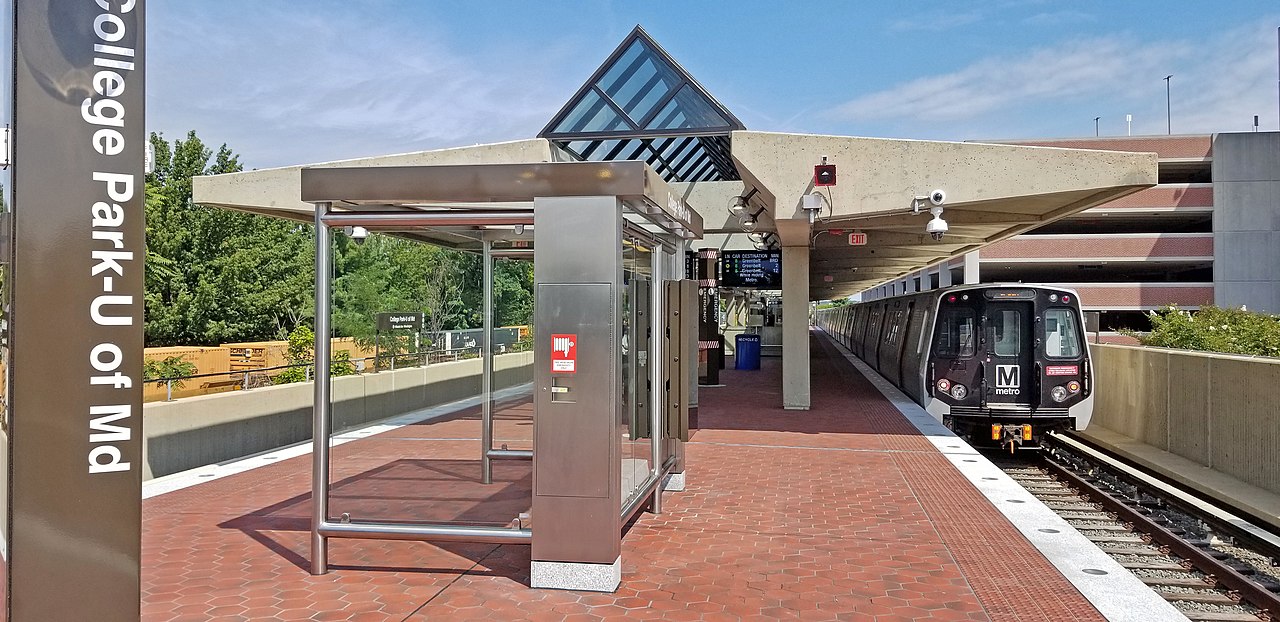
College Park is well connected to the Washington Metro system. The College Park-U of MD station on the Green Line places downtown D.C. within a manageable commute, and the station is a short walk or bus ride from the university campus. Bus routes operate along Route 1 and connect campus to surrounding neighborhoods and Metro stations. The university also runs its own shuttle network, portions of which are open to visitors during certain hours β confirm current schedules on the UMD transportation site.
For fare and payment information on Metro and local buses, check the Washington Metropolitan Area Transit Authority (WMATA) website. Transit systems in the region generally support contactless tap-to-pay at stations and on buses; current fare structures are always best confirmed directly with the transit provider.
Biking is a reasonable option within the city and along trail corridors. Several multi-use paths connect College Park to surrounding communities, and the Anacostia River Trail system makes car-free travel to some natural areas genuinely practical.
Parking Considerations
Parking on and near the University of Maryland campus is regulated and can be limited during peak times such as move-in weekends, home football games, and graduation. The university maintains public parking options with rates and availability listed on its official parking services site β check before you arrive. Street parking in Old Town College Park is generally more available but subject to time limits in some zones.
For day visitors relying on Metro, parking at or near the College Park-U of MD station may be available; confirm current lot availability and any fees through WMATA.
Visitor Tips
- College Park operates on a university calendar. The city is noticeably more active during the academic year (roughly September through May) and quieter in the summer months, though summer brings its own programming.
- Weather in College Park follows a Mid-Atlantic pattern: hot and humid summers, mild springs and falls, and winters that can bring snow. The Best Time to Visit College Park page covers seasonal considerations in more detail.
- Exercise ordinary urban awareness in commercial corridors, especially at night near busy student areas.
- Many university venues and public spaces are free to enter, though performances, events, and some museum facilities charge admission or require tickets β confirm in advance.
Family Tips
College Park works well for family visitors. Lake Artemesia is flat, paved, and accessible for strollers and young riders. The College Park Aviation Museum is a genuinely engaging stop for kids with any interest in aircraft or history. The university campus itself offers large open lawns, public art, and architectural variety that can hold a family's attention for several hours without any planned agenda.
For families planning a full visit, the College Park 1-Day Itinerary offers a practical sequence, and the College Park 3-Day Itinerary adds time for nearby NPS sites and D.C. day trips.
Frequently Asked Questions
For answers to common questions about visiting College Park β including what to know about the university, how far it is from D.C., and what the city is best suited for β see the College Park FAQ.
College Park is a city that rewards curiosity. Its blend of aviation history, academic culture, outdoor trails, and proximity to one of the country's most visited cities makes it a practical and interesting base for a range of travel styles. Take the time to explore beyond Route 1, and the city shows considerably more depth than its student-town reputation might suggest.