Charleston Travel Guide: Things to Do, Landmarks, Food, and Itineraries

Charleston, South Carolina sits on a narrow peninsula where the Ashley and Cooper rivers meet before opening into the Atlantic. With a population of around 152,000 residents, it is a mid-sized city that carries an outsized presence in American history, architecture, and culinary life. Visitors come for the layers: antebellum streetscapes alongside a food scene that draws serious attention, coastal access within easy reach of the city center, and a calendar of cultural events spread across the year. This guide covers the practical groundwork — neighborhoods to know, things to see and eat, how to get around, and what to keep in mind as you plan.
Why Visit Charleston
Charleston rewards visitors who slow down. The city's historic district is compact enough to explore on foot, and much of what makes Charleston distinctive — the pastel single-house architecture, the wrought-iron gates, the public market stretching over several blocks — is visible from the sidewalk. The area around the city holds five National Park Service sites, reflecting how much early American and Civil War history converges here. Beyond history, Charleston has become a destination for food travelers, with a dining culture rooted in Lowcountry traditions and augmented by chefs who have drawn national attention. The coastline, meanwhile, puts beaches within a short drive, making Charleston workable as a base for coastal day trips.

Neighborhoods and Areas Worth Knowing
The Historic District (Downtown Peninsula) The peninsula's southern tip is where most first-time visitors spend the majority of their time. Church Street, Meeting Street, and East Bay Street form the backbone of an area dense with pre-Civil War architecture, historic churches, galleries, and the Charleston City Market. Most major landmarks are within walking distance of one another here.
Upper King Street Running northward from the Historic District, upper King Street has a more commercial and contemporary character, with restaurants, bars, boutiques, and coffee shops that draw a mix of locals and visitors. It connects the older tourist core to a younger, more neighborhood-feel stretch of the city.
French Quarter East of Meeting Street and tucked between Broad Street and the waterfront, the French Quarter is a small but notable area with art galleries and some of Charleston's most-photographed alleyways and courtyards.
Harleston Village and Cannonborough-Elliotborough These residential neighborhoods sit just west of the main tourist corridor and offer a quieter look at everyday Charleston life — tree-lined streets, locally owned cafes, and a pace that contrasts with the busier parts of downtown.
North Charleston A separate municipality that borders Charleston proper, North Charleston has grown significantly and includes the airport, large venues, and commercial corridors that serve the broader metro. Visitors mostly encounter it in transit rather than as a destination, though it has its own developing arts and restaurant presence.
James Island, Johns Island, and Daniel Island These areas are outside the peninsula proper and require a car or rideshare to reach. They offer a glimpse of the broader Charleston region: marsh landscapes, farm-to-table producers, and local beach access points.
Things to Do in Charleston
Charleston's appeal spans history, architecture, outdoor space, and the arts. For a deeper look at specific activities, see our guide to the Best Things To Do in Charleston.
The Charleston City Market is one of the most commonly visited spots in the city — a covered market spanning several blocks where artisans, vendors, and food sellers have set up for generations. The market is free to walk through; what you spend inside is up to you.
The Battery and White Point Garden occupy the southern tip of the peninsula. The elevated promenade along the seawall gives views across the harbor toward Fort Sumter, and the park itself is lined with old cannons and oak trees that frame the surrounding mansions.
Fort Sumter National Monument, where the first shots of the Civil War were fired, is accessible by ferry from downtown Charleston. The National Park Service manages the site; check with the official ferry concessioner and the NPS website for current schedules and availability before planning your visit.
Boone Hall Plantation and Gardens and Magnolia Plantation and Gardens are both outside the city proper and document the history and landscape of the Lowcountry in different ways. Both require advance planning; check their official sites for current access information.
For art and culture, the Gibbes Museum of Art holds a notable collection focused on American art and Charleston's artistic history. The museum occupies a Beaux-Arts building in the French Quarter and is a reference point for understanding the visual culture of the South.
Outdoor options include kayaking on the creeks that thread through the surrounding salt marshes, cycling on the West Ashley Greenway, and swimming at Folly Beach, the closest oceanfront beach to downtown Charleston. Folly Beach is about a 20-minute drive from the peninsula.
Landmarks in Charleston
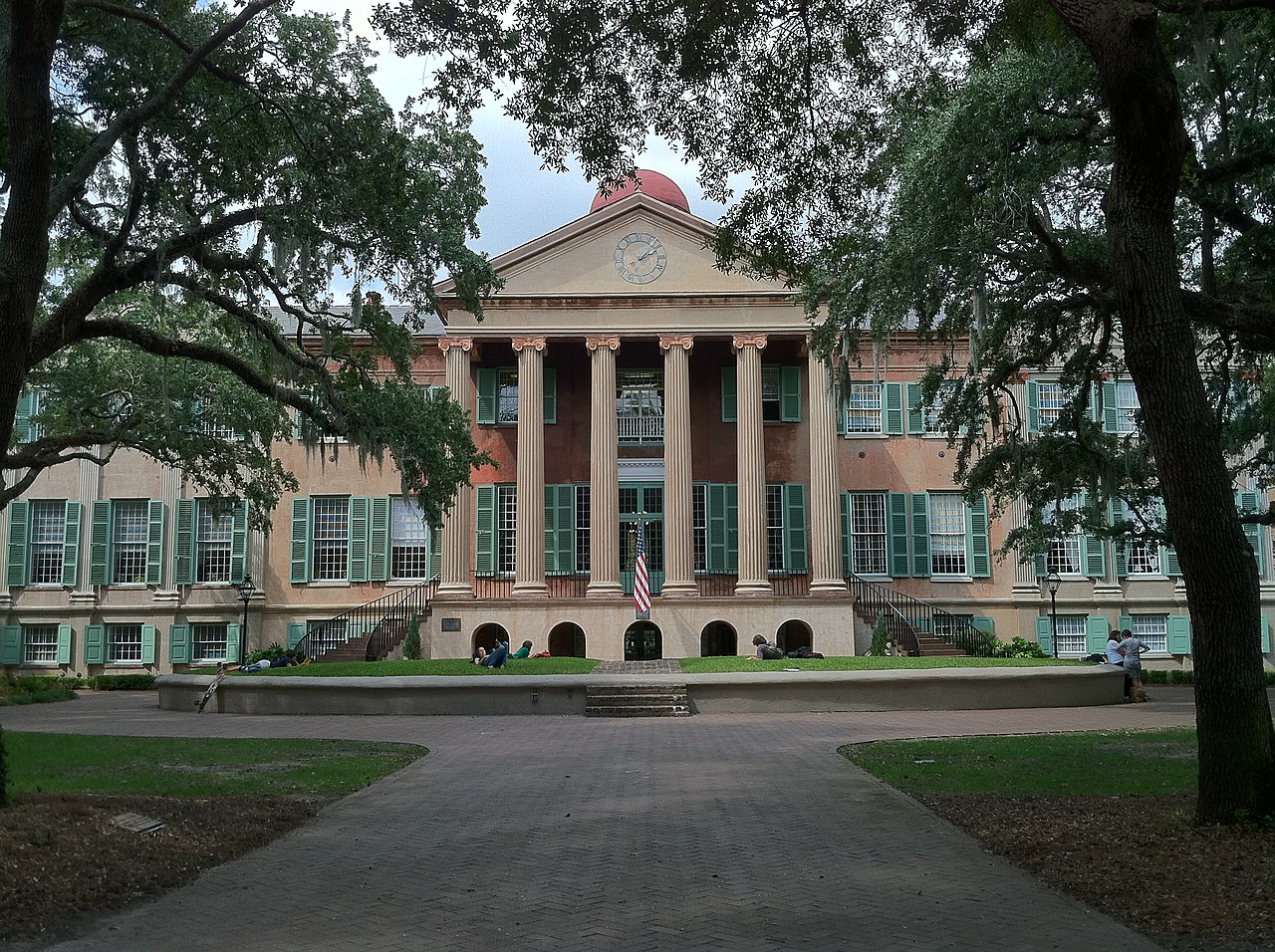
Charleston's landmark density is one of its defining characteristics. Dozens of pre-Revolutionary and antebellum structures survive in the Historic District, giving the city a streetscape that is genuinely rare in the American South. Our Top Landmarks in Charleston page goes into greater detail, but a few reference points worth noting:
- St. Michael's Episcopal Church (1761) is one of the oldest surviving churches in South Carolina and a consistent orientation point in the downtown grid.
- Rainbow Row on East Bay Street is a stretch of Georgian row houses painted in distinct pastel colors, among the most photographed blocks in the American South.
- The Old Exchange and Provost Dungeon has served multiple roles across American history — colonial customs house, Revolutionary War prison, site of early political assemblies.
- Drayton Hall is among the oldest surviving plantation houses in the country and is operated as a museum; it is distinct in that its interiors have not been heavily restored or decorated.
Where to Eat in Charleston
Charleston has developed a food culture with genuine depth. The broader dining scene encompasses hundreds of restaurants and cafes drawing on Lowcountry staples — rice dishes, shellfish, slow-smoked meats, and seasonal produce from nearby farms — alongside more contemporary cooking that has put Charleston on the national radar for food travel. For a broader overview of the dining landscape, visit our Where to Eat in Charleston page.
A few well-known spots worth knowing by name:
Rodney Scott's Whole Hog BBQ has been operating since 2017 and is widely documented as one of the more notable additions to Charleston's barbecue tradition. Pitmaster Rodney Scott's approach to whole hog barbecue has been covered extensively in national food media. Hours and current details are best confirmed on the restaurant's official site before visiting.
Beyond individual names, Charleston's food geography is worth understanding: King Street and its surrounding blocks have the highest concentration of restaurants. The Market area caters heavily to visitors with a range of price points and cuisines. For a more local dining experience, residents often point to restaurants in the Cannonborough-Elliotborough area or out toward James Island.
Getting Around Charleston
The peninsula is walkable for visitors staying downtown — most Historic District attractions are within a 20-minute walk of one another. The city operates CARTA (Charleston Area Regional Transportation Authority) bus service across the metro, and the Downtown Area Shuttle (DASH) runs routes through the Historic District. Check the CARTA website for current routes, schedules, and fare information. Contactless payment options continue to expand on regional transit.
Rideshare services operate throughout Charleston and are practical for reaching areas outside the peninsula — Folly Beach, North Charleston, the plantation sites — where driving or rideshare is the realistic option for most visitors without a rental car.
Cycling is viable on the peninsula, and the city has expanded its bike infrastructure in recent years. Bikeshare options exist; check local availability when planning.
Parking Considerations
Parking on the downtown peninsula can be tight, particularly on weekends and during peak tourist seasons. The city operates several parking garages in the Historic District; street parking with meters is also available but fills quickly near popular areas. Rates, hours, and enforcement details change, so it is worth checking the city's official parking resources before your visit rather than assuming availability. Staying in a hotel with on-site or negotiated parking eliminates much of this friction.
Visitor Tips
- Weather matters here. Charleston summers are hot and humid, and the city sits in an area prone to afternoon thunderstorms. The subtropical climate also means hurricane season (June through November) is a real consideration for trip planning. Our Best Time to Visit Charleston page covers seasonal tradeoffs in detail.
- Spring and fall are the most popular seasons. The Spoleto Festival USA, held annually in late May and early June, draws significant crowds. If you plan to visit during known festival periods, book accommodations earlier than you might otherwise.
- Dress for the heat if you're visiting summer. The cobblestone and brick streets of the Historic District radiate significant warmth; comfortable footwear and light clothing make a real difference.
- As in any city, ordinary urban awareness applies. Keep an eye on your belongings in crowded areas, be aware of your surroundings after dark, and use the same judgment you would in any unfamiliar city.
- Tipping culture is standard here. Service workers in the restaurant and tourism industries are generally compensated through tip-based models.
Family Tips
Charleston is a practical destination for families with some advance planning. Fort Sumter and the city's history of being a significant site in the American Revolution and Civil War give school-age children real educational context. The Charleston Museum — which bills itself as the oldest museum in the United States — has exhibits spanning natural history and cultural history that work well for younger visitors.
Families with young children may find the historic district's cobblestones and uneven sidewalks slow going with strollers; it is worth checking specific routes in advance. The waterfront park at Waterfront Park (featuring the Pineapple Fountain) is a reliably popular stop with children. Folly Beach, with its public beach access and informal atmosphere, tends to work well for families.
Planning Your Visit
Whether you have a single day or a long weekend, having a loose plan helps in a city where there is more to see than most trips allow.
- Charleston 1-Day Itinerary — for visitors with limited time who want to cover the main bases.
- Charleston 3-Day Itinerary — a more layered plan that gets beyond the Historic District.
- Best Time to Visit Charleston — seasonal breakdown to help you choose when to go.
Frequently Asked Questions
Have specific questions about visiting Charleston? Our Charleston FAQ page addresses common queries about logistics, seasonal planning, and what to expect on the ground.
*Data sources include the U.S. Census Bureau (2024 ACS 5-year estimates), National Park Service, Wikimedia, Wikipedia, and OpenStreetMap contributors. Hours, prices, and availability for attractions and restaurants change frequently — always verify details on official websites before your visit.*